



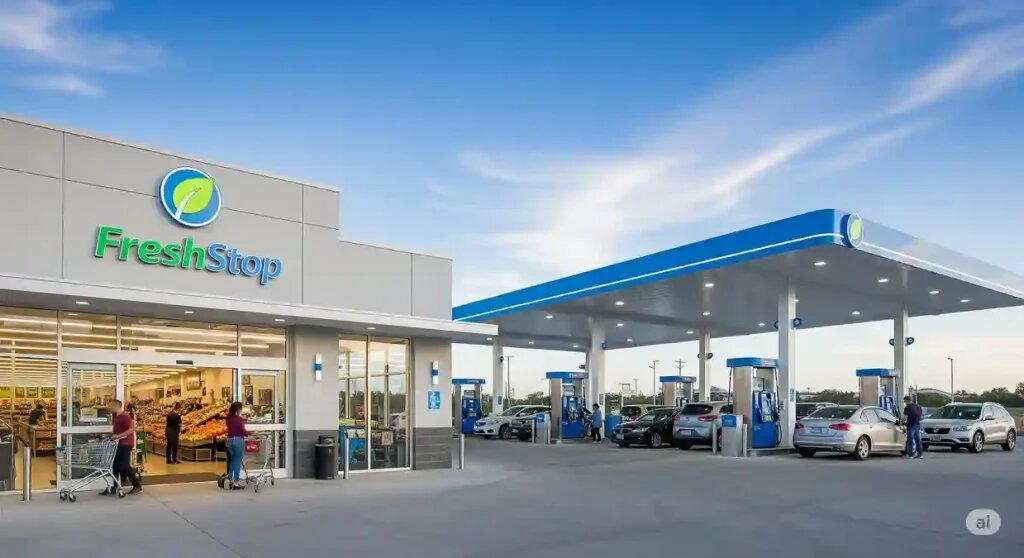

Retailers entering the fuel business add gas pumps and convenience forecourts to existing stores. Walmart operates around 450 fueling stations across 34 states as of early 2026. Dollar General launched a pilot with 40 stations in southern states like Alabama. In India, Reliance Jio-bp runs more than 2,000 mobility stations through its partnership model.
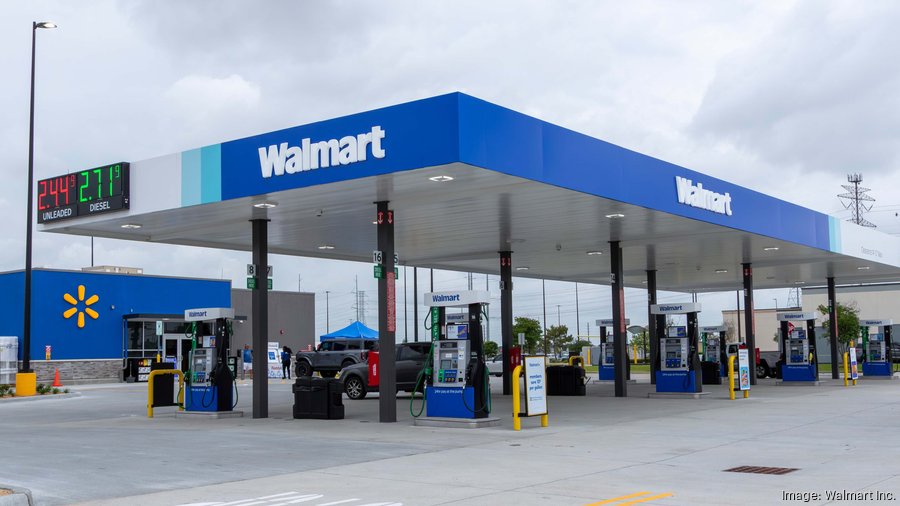
2 Wichita Walmart locations to open fuel centers in spring 2026 – Wichita Business Journal
These moves address one core problem: traditional retail margins keep shrinking. Fuel visits happen 2–3 times per week versus one grocery trip. Hypermarket forecourts sell about 20,000 gallons per day—five times the national average of 4,000 gallons. That extra traffic lifts in-store basket size by 15–30 percent.
Fuel itself stays a low-margin product. Gross margins hover near 30–40 cents per gallon in the US, with net often 1–2 percent after operations. In-store sales still deliver 60–70 percent of total profit at these sites. The math works when fuel acts as the draw and the store captures the spend.
This is not new. Big-box chains, discount retailers, and supermarkets have tested it for years. The difference in 2026 is tighter capital, EV growth, and clearer partnership options. Retailers who get the entry model right see steady traffic and cross-sales. Those who miss the regulations or site selection lose money fast.
Why Retailers Enter Fuel in 2026
Declining in-store traffic forces the shift. Fuel counters that by pulling drivers who need quick stops. Data from industry reports shows these combined sites boost overall visits without extra marketing spend.
Volatility in fuel prices remains real. Yet the forecourt still pays when paired with high-margin food, snacks, and drinks. Prepared food margins often hit 50–60 percent gross. That balance turns the site profitable overall.
Two Entry Models That Solve Capital and Expertise Gaps
Retailers pick one of two paths. Both avoid starting from zero.
Model 1: Own and operate the forecourt. You control branding, pricing, and operations. Capex runs $1–3 million per site for land, tanks, pumps, and canopy. Walmart uses this for most of its 450 stations. It fits chains with deep pockets and existing parking lots.
Model 2: Strategic partnership. An oil major or fuel supplier handles supply, compliance, and sometimes tanks. The retailer focuses on merchandising and store traffic. Reliance Jio-bp scaled to 2,000-plus sites this way in India—retailer supplies the shop, partner manages fuel logistics. Risk drops. Speed increases.
Choose based on your cash and local rules. Mid-size chains often start with partnerships, then shift to ownership once volume proves out.
A standard filling station includes underground tanks, pumps, and a convenience area. Regulations cover spill prevention, fire safety, and environmental permits. Miss any step and delays stretch months.
Step-by-Step Playbook to Launch in Under 12 Months
Site selection comes first. Look for 10,000-plus cars daily passing by. Check zoning, traffic counts, and competitor density. Existing retail parking cuts land costs.
Next, lock in suppliers. Negotiate branding rights, supply contracts, and volume discounts. Partnerships shorten this to weeks instead of months.
Permits follow. Environmental assessments, fire codes, and underground storage tank rules apply everywhere. In the US, EPA and state agencies set timelines. In South Asia or Europe, local energy ministries add layers. Budget 3–6 months here.
Build the infrastructure. Install double-wall tanks, pay-at-pump tech, and basic canopy. Add EV chargers early—demand grows fast in 2026.
Tie it to your store. Link loyalty apps so fuel discounts reward grocery spend. Cross-promotions during fill-up time turn 5-minute stops into 15-minute visits.
Total timeline: 9–12 months when you follow this order. Costs drop 30–50 percent versus greenfield builds when you use existing land.
Turning Thin Fuel Margins Into 15–25 Percent Overall ROI
Fuel rarely makes big money alone. It drives volume. In-store profit does the heavy lifting.
Loyalty programs help. Offer 10–20 cents off per gallon after $100 in groceries. Data shows this lifts basket value by 20 percent at similar sites. Costco and Walmart prove it works at scale.
Bundle deals work too. Coffee or snacks at the pump increase dwell time. Every extra minute inside raises the chance of an unplanned purchase.
Real numbers: A site moving 15,000 gallons monthly at 35 cents gross margin generates about $5,250 fuel gross. Add $15,000–25,000 in-store gross from lifted traffic and the site clears break-even in 18–24 months.
Top Challenges and Direct Fixes
High capex hits hard. Partnerships cut it by sharing tank and supply costs. Fuel price swings stay a risk—hedge where possible or let the partner absorb some.
Regulations feel overwhelming. Use a compliance checklist: tank testing, insurance minimums, and annual audits. Budget 5–8 percent of revenue for safety and environmental needs.
Competition from pure fuel players is real. Beat them with convenience, clean restrooms, and fast checkout. EV chargers add another edge—20–40 minute dwell time versus 5 minutes for gas.
EV adoption grows. US forecasts show slower gasoline demand by 2030. Dual-fuel sites with chargers future-proof revenue. Early installers report higher property values and new customer segments.
Case Studies That Show What Scales
Walmart added or remodeled 45 stations in 2025 and keeps expanding. Traffic and loyalty gains offset thin fuel margins.
Dollar General’s 40-station pilot in rural South targets underserved areas. Early results tie fuel to everyday low-price shopping.
Reliance Jio-bp grew fastest through partnership. It combined retail scale with fuel expertise and hit thousands of sites quickly.
Mid-size retailers copy the playbook: start small, measure traffic lift, then expand.
Future-Proofing With EV, Tech, and Sustainability
EV chargers turn waiting time into sales. Drivers stay longer and buy more inside. Solar canopies cut energy costs and appeal to green shoppers.
Tech matters. Apps handle payments and personalized offers. Dynamic pricing adjusts to traffic without manual work.
Biofuels and hydrogen pilots appear in test markets. They keep sites relevant as regulations tighten.
Plan a 3-year rollout: add chargers year one, loyalty integration year two, efficiency upgrades year three.
Financial Snapshot and Risk Checklist
Sample one-station rollout: $1.5–2.5 million total investment. Break-even at 12,000–18,000 gallons monthly plus in-store lift. Sensitivity to oil prices matters—test at $70–100 per barrel crude.
Red flags: sites under 8,000 daily cars, heavy local competition, or weak supplier terms. Exit early if volume misses targets by 20 percent after six months.
Retailers entering the fuel business solve traffic and margin pressure when they pick the right model and execute the steps. Data, real cases, and clear costs show what works in 2026. Start with site audits and supplier talks. Measure results every quarter. The forecourt becomes a profit engine when traffic converts to store sales.





[…] the snapshot. Now, here’s what actually matters behind these numbers—and what most “energy storage news” […]