





If you searched “sports physicals near me”, the goal is usually simple: get cleared for sports as quickly as possible. Most schools and youth leagues require a pre-participation physical exam (PPE) before allowing athletes to train or compete. Missing this step can delay registration or remove eligibility for a season.
Sports physicals are designed to confirm that a student or athlete is medically fit for participation. They focus on identifying risks such as heart issues, joint limitations, or past injuries that may affect safety during sports activity.
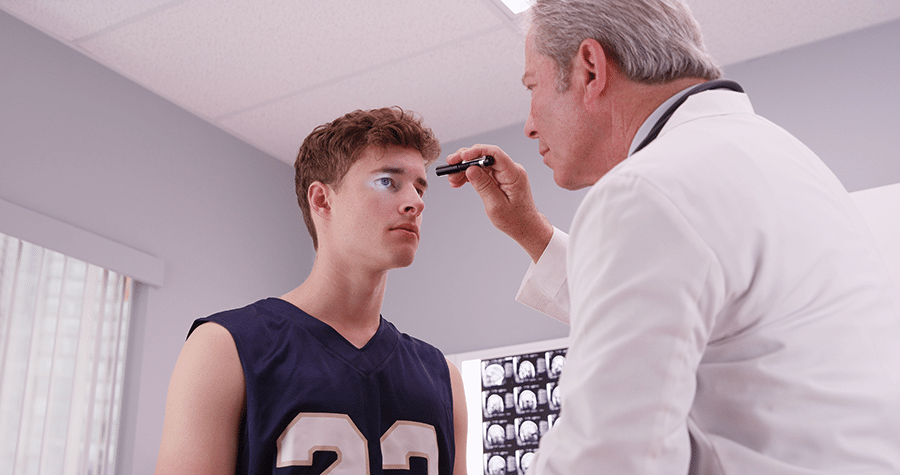
In most cases, a sports physical takes 15 to 30 minutes, and many clinics offer same-day or walk-in appointments, especially during back-to-school season. Demand spikes heavily between July and September, when clinics report significantly higher patient volume.
To stay on track, understanding where to go, what is included, and how to prepare becomes important. The next sections break this down clearly so you can choose the fastest and most reliable option near you.
What a Sports Physical Includes (and Why It Matters)
A sports physical is not a full diagnostic checkup. It is a focused screening designed specifically for athletic participation.
It includes two main parts:
- Medical history review
- Physical examination
During the exam, clinicians typically check:
- Blood pressure and heart rate
- Heart and lung function
- Joint mobility and strength
- Vision screening (in some cases)
- Previous injury risks
According to general sports medicine guidelines, a large percentage of restrictions in youth sports are linked to undetected cardiovascular or orthopedic risks, making this screening essential before clearance.
For more detailed medical reference, see:
Sports Medicine Overview (Wikipedia)
This step ensures safety, but it is not designed to replace a full annual physical or treat existing medical conditions.
The next important question is who actually needs this exam.
Who Needs Sports Physicals Near You
Sports physicals are required for a wide range of participants, not just school athletes.
Common groups include:
- Middle school and high school students
- College intramural athletes
- Youth club sports participants
- Competitive sports leagues
Most schools require a valid physical every 12 months, although some districts require updates per season or sport type.
A key detail many families miss:
Even non-contact sports often require clearance forms, especially in organized school systems.
This is where timing becomes important. If the physical is delayed, the athlete may miss tryouts or early training sessions.
Next, choosing the right location near you becomes the most critical decision.
Where to Get Sports Physicals Near You (Fastest Options)
When searching “sports physicals near me,” there are usually four reliable options:
1. Urgent Care Clinics (Fastest Option)
- Walk-in availability
- Same-day clearance in most cases
- Extended hours and weekends
2. Primary Care Doctors
- More detailed medical history
- Better for ongoing health concerns
- May require scheduled appointments
3. Walk-In Clinics
- No appointment needed
- Moderate wait times depending on season
- Widely available in urban areas
4. Community Health Centers
- Low-cost or income-based pricing
- Good option for uninsured families
- May require early arrival due to demand

Urgent care clinics are often the most efficient choice during peak season. Studies on healthcare utilization show urgent care centers handle millions of non-emergency visits annually, largely due to convenience and speed compared to traditional appointments.
If timing is critical, choosing a walk-in or urgent care option is usually the safest approach.
Next, cost is another major factor that affects decision-making.
Cost of Sports Physicals (What You Should Expect)
The cost of a sports physical varies based on location and clinic type.
Typical ranges:
- $20 to $50 at community clinics
- $40 to $100 at urgent care centers
- Sometimes free at school-sponsored events
Insurance may or may not cover sports physicals depending on the provider. Many families pay out-of-pocket because it is often classified as a preventive or administrative exam.
A practical tip:
School health events often provide the same clearance form at zero cost, but availability is limited and seasonal.
The next step is preparation, which can significantly reduce delays.
What to Bring to Your Appointment
Arriving prepared reduces the chance of being turned away or delayed.
Bring:
- Completed sports physical form from school
- List of medications
- Medical history details (injuries, allergies, surgeries)
- Insurance card (if applicable)
- Parent or guardian (for minors)
Missing paperwork is one of the most common reasons appointments take longer than expected.
A well-prepared visit usually completes in under 20 minutes.
Next, understanding walk-in vs appointment choices helps optimize speed.
Walk-In vs Appointment: What Works Best
Walk-in clinics are best when:
- You need same-day clearance
- School deadlines are close
- No primary doctor is available
Appointments are better when:
- You want a full medical review
- You have existing health conditions
- You prefer lower wait times
During peak sports season, walk-in clinics can become crowded, with wait times increasing by 30–90 minutes in some areas.
This makes early arrival a key strategy for faster processing.
Common Issues That Delay Sports Clearance
Some athletes do not get immediate clearance. The most common reasons include:
- Elevated blood pressure readings
- Past injuries needing follow-up
- Heart murmur requiring specialist review
- Missing or incomplete forms
These issues do not always prevent participation, but they can delay approval.
A useful preparation step is reviewing past medical history before the visit.
Sports Physical vs Annual Wellness Exam
A sports physical is focused on athletic safety. An annual wellness exam is broader.
Key difference:
- Sports physical → fitness for sports participation
- Wellness exam → overall long-term health check
In some cases, schools accept a wellness exam in place of a sports physical if the correct form is completed.
This reduces duplicate visits and saves time for families.
FAQs: Sports Physicals Near Me
How long does a sports physical take?
Usually 15–30 minutes depending on clinic type.
Can I get one without insurance?
Yes. Many urgent care and community clinics offer cash pricing.
Do urgent care clinics do sports physicals?
Yes. They are one of the most common providers.
How long is a sports physical valid?
Typically 12 months, but school rules may vary.
Final Checklist Before You Search “Sports Physicals Near Me”
Before heading out, confirm:
- Required school form is ready
- Clinic offers walk-in or same-day service
- Insurance or payment method is clear
- Medical history is available
- Appointment timing matches school deadline
Completing these steps ensures faster clearance and fewer delays during peak sports season.
Sports physicals are a simple requirement, but timing and preparation make a major difference. Choosing the right clinic near you ensures athletes stay eligible, safe, and ready for participation without unnecessary delays.





[…] People Also Read : Sports Physicals Near Me: Complete Guide, Affordable & School-Approved Exams […]
[…] People Also Read : Sports Physicals Near Me: Complete Guide, Affordable & School-Approved Exams […]
[…] People Also Read : Sports Physicals Near Me: Complete Guide, Affordable & School-Approved Exams […]
[…] People Also Read : Sports Physicals Near Me: Complete Guide, Affordable & School-Approved Exams […]