

Disney has reduced the emphasis on reporting Disney+ subscriber numbers and is shifting toward profitability-focused metrics. This includes highlighting streaming operating income, ARPU (average revenue per user), and bundled performance instead of detailed quarterly subscriber adds.
The change applies across Disney+, Hulu, and ESPN+, with less granular disclosure—especially around regional splits like Disney+ Hotstar. This signals a clear transition: growth is no longer the primary story—profitability is.
For readers tracking streaming performance, this means less visibility into raw subscriber growth, but more insight into whether the business is financially sustainable. That shift is not isolated—it mirrors moves already made by competitors like Netflix.
Now that the key change is clear, the next question is obvious: why did Disney make this move now?
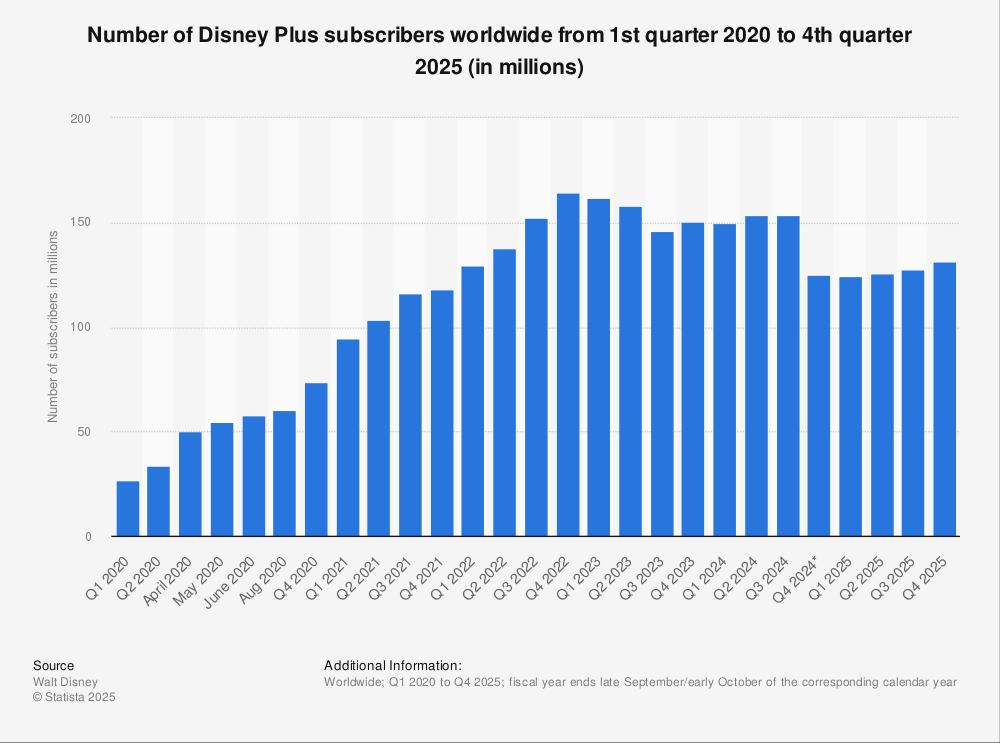
What Changed in Disney+ Subscriber Reporting
The reporting update emerged during recent earnings disclosures from The Walt Disney Company.
Previously, Disney provided:
- Total Disney+ subscribers (global)
- Regional breakdowns (including Hotstar-heavy markets)
- Quarterly net additions or losses
Now, the company is:
- Deprioritizing subscriber growth figures
- Reducing frequency of detailed breakdowns
- Focusing on financial metrics tied to streaming profitability
This is not a complete removal of subscriber data yet, but it is clearly being phased into the background.
That shift connects directly to how Disney now defines success in streaming.
Why Disney Shifted Away from Subscriber Growth
Disney’s official messaging points to “building a profitable streaming business”.
But the underlying drivers are more specific:
- Subscriber growth has slowed in key markets
- Low-ARPU regions (like India via Hotstar) diluted overall revenue quality
- Content costs remain high across franchises (Marvel, Star Wars, etc.)
- Investors are demanding clear profit timelines
This aligns with broader industry pressure. When Netflix stopped reporting quarterly subscriber guidance, it marked a turning point. Disney is now following a similar path.
Understanding this shift requires looking at how reporting worked before.
Previous Disney+ Reporting Structure (What’s Being Reduced)
Disney’s earlier reporting model emphasized scale.
Key elements included:
- Global subscriber count (headline metric)
- Disney+ Hotstar users, which at one point made up a significant portion
- Bundle reporting across Disney+, Hulu, and ESPN+
- Quarterly subscriber additions or churn
At its peak, Disney+ crossed 160 million+ subscribers globally, but a notable share came from lower-revenue markets.
That created a gap between headline growth and actual revenue strength.
This gap is exactly what the new reporting structure aims to address.
What Metrics Are Replacing Subscriber Counts
Disney is now prioritizing metrics that reflect financial performance, not just scale:
- Streaming operating income (or loss)
- ARPU (Average Revenue Per User)
- Total Direct-to-Consumer (DTC) revenue
- Bundle monetization performance
For example:
- Higher ARPU in North America carries more weight than large user bases in low-cost regions
- Ad-supported tiers are evaluated based on revenue per viewer, not just sign-ups
This change gives analysts better insight into unit economics, but it reduces visibility into audience size trends.
That tradeoff directly affects how investors interpret Disney’s performance.
Impact on Investors and Market Perception
Investors rely on consistent metrics. Removing or reducing subscriber reporting creates uncertainty in short-term analysis.
Key implications:
- Harder to track churn and growth trends
- Greater focus on profit margins and cost control
- Increased reliance on management commentary
Historically, Disney stock reacted strongly to subscriber misses.
Now, market reactions will depend more on:
- Streaming profitability milestones
- ARPU growth
- Cost discipline
This aligns Disney more closely with competitors—but not without risk.

How Disney Compares to Competitors
The shift is part of a broader industry trend:
- Netflix: Reduced focus on subscriber guidance, emphasized revenue and engagement
- Warner Bros. Discovery: Focuses on profitability for Max
- Other platforms: Increasingly highlight ad revenue and margins
Streaming is moving from a land-grab phase to a profitability phase.
Disney’s reporting change reflects that transition clearly.
Real Business Impact Behind the Reporting Change
The reporting shift is not just cosmetic. It reflects real business challenges:
- Subscriber stagnation in mature markets
- Churn after price increases
- Decline in Hotstar subscribers after losing key sports rights
- High content spending vs. slower revenue growth
In simple terms:
Growing users is no longer enough. Each user must generate more revenue.
That’s why ARPU and profitability now matter more than raw subscriber counts.
Implications for Advertisers and Partners
Less transparency in subscriber data affects advertisers too.
Key changes:
- Reduced clarity on total audience size
- More focus on engagement and ad performance metrics
- Growth of ad-supported tiers as a revenue driver
Advertisers now evaluate Disney+ based on:
- Watch time
- Demographic targeting
- Ad yield
This shifts the conversation from “how many users” to “how valuable are those users.”
What This Means for Consumers
For users, the reporting change signals potential shifts:
- Continued price adjustments across tiers
- Expansion of ad-supported plans
- More focus on bundling (Disney+, Hulu, ESPN+)
Content strategy may also evolve:
- Prioritizing franchises with strong ROI
- Reducing experimental or high-risk content
These changes are tied directly to profitability goals.
Risks and Criticism of Reduced Transparency
Not all analysts support this move.
Main concerns include:
- Reduced ability to benchmark performance
- Potential masking of subscriber declines
- Lower transparency compared to previous years
For deeper context, you can review how streaming platforms evolved on Wikipedia, especially in relation to digital media reporting practices.
The key issue is balance:
More financial clarity vs. less operational visibility.
Future Outlook: What to Watch Next
With subscriber metrics fading, focus shifts to:
- Streaming profitability targets
- ARPU growth across regions
- Ad-tier revenue contribution
- Cost reduction in content production
Disney has already signaled a timeline for achieving sustained streaming profitability, making these metrics critical going forward.
If these numbers improve, reduced subscriber transparency will matter less.
If they don’t, scrutiny will increase.
Visual Breakdown of the Reporting Shift
Key Takeaways
- Disney is reducing emphasis on Disney+ subscriber numbers
- Focus is shifting to profitability, ARPU, and revenue metrics
- The change reflects slowing growth and investor pressure
- Less transparency may create short-term uncertainty
- Long-term success will depend on financial performance, not scale
This reporting change is not just a disclosure tweak.
It reflects a deeper shift in how streaming success is measured—and how Disney plans to compete in a maturing market.