




Tech AI integrates artificial intelligence directly into enterprise systems such as ERP, CRM, and cloud platforms. It targets specific operational pain points and delivers measurable ROI in 2026.
78% of enterprises now use AI in at least one business function. Worker access to these tools rose 50% in 2025 alone.
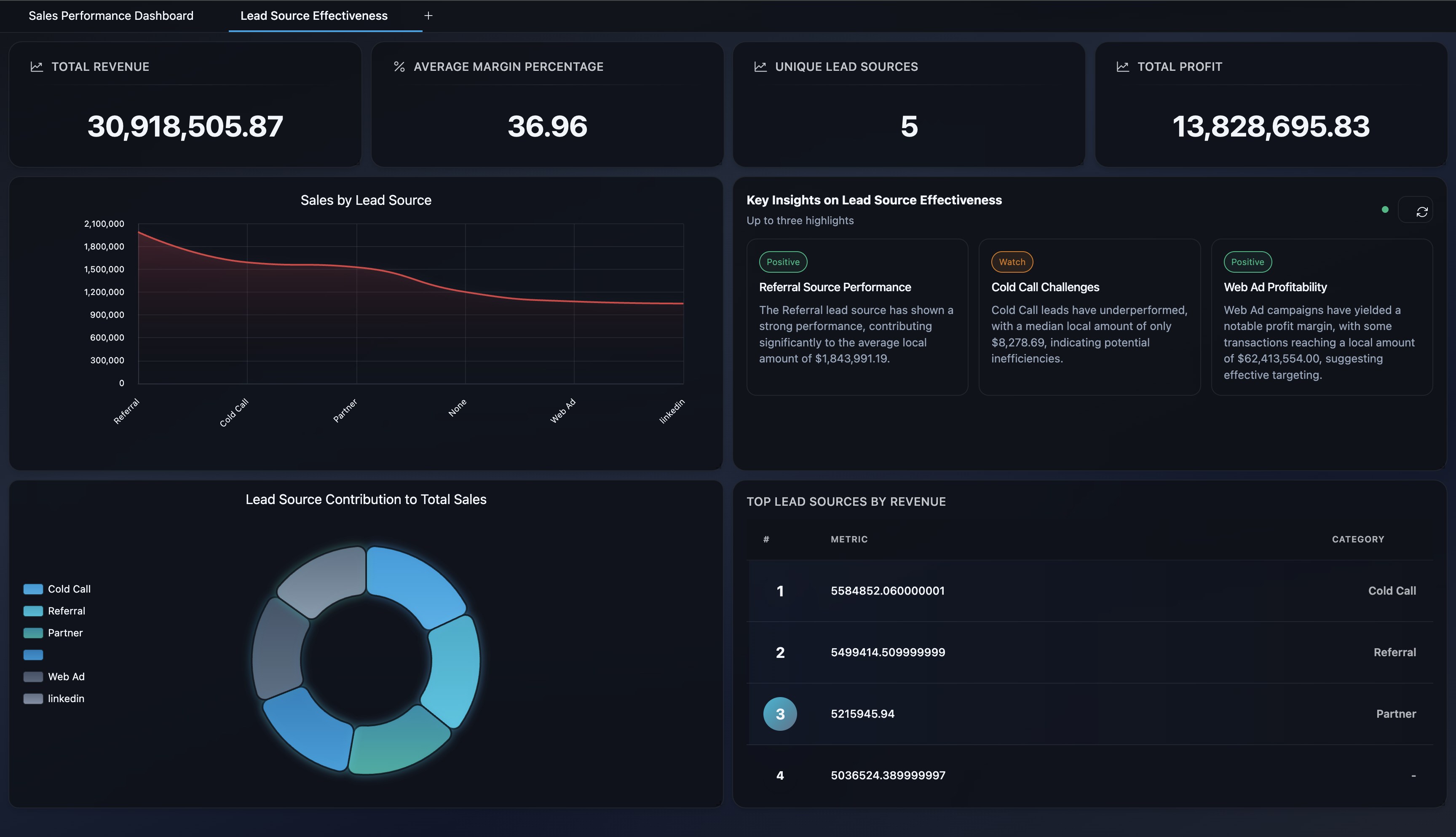
11 Best AI Dashboard Generators in 2026 (20+ Tools Tested) | ML Clever
Most teams still waste 30-40% of time on repetitive tasks and data silos. Tech AI fixes that by automating workflows and surfacing insights in real time.
It is not consumer-grade chatbots or hype. Tech AI means narrow, deployable models embedded in your existing tech stack for predictable results.
This guide walks through the exact problems it solves, the building blocks that work today, and a step-by-step roadmap. You will finish with a ready-to-use checklist and trend scorecard.
Tech AI vs. Generic AI: Cutting Through the Confusion
The main issue is simple. 70% of executives mix up basic chatbots with production-ready Tech AI.
Tech AI runs on your internal data, connects to your tools, and scales. Generic AI tools do not.
Here is the difference in one table:
- Tech AI: Integrated into ERP/CRM, measures ROI, handles sensitive data securely.
- Generic AI: Standalone prompts, limited context, no enterprise governance.
In 2026, the gap matters more than ever. Agentic systems and multimodal models have moved from labs to live deployments.
The 4 Core Building Blocks of Tech AI
Four components power every successful Tech AI setup. Each solves a distinct problem.
Machine learning and predictive analytics fix forecasting errors in demand, churn, and maintenance.
Deep learning plus computer vision ends manual inspections and document drudgery.
Generative AI and large language models cut content creation and code writing time.
AI agents and AIOps remove siloed workflows and constant oversight.
Pick the right block for your pain point. A one-paragraph decision tree: If your data is scattered, start with predictive analytics. If visual checks slow you down, add computer vision.
Top 7 Business Problems Tech AI Solves in 2026
Here are the problems teams actually face and the results they see.
- Inventory and supply chain waste drops 26-31% with predictive optimization.
- Customer support tickets fall 60% when RAG-powered chatbots handle routine queries.
- Fraud losses shrink through real-time detection models that flag anomalies faster than rules-based systems.
- Data silos slow decisions; natural-language SQL copilots deliver answers in seconds.
- Manual reporting and compliance eat hours; document intelligence plus predictive insights cut that time in half.
- Pricing and revenue leakage ends with dynamic ML models tested via A/B runs.
- Talent scaling stalls; AI-augmented recruitment and internal tools speed hiring and onboarding.
Each fix comes with a one-sentence implementation tip: Start small, measure one KPI, then expand.
Industry-Specific Tech AI Playbooks
Retail and e-commerce teams use demand forecasting plus dynamic pricing to cut overstock by 20-25%.
Finance and insurance apply fraud models and personalized underwriting to reduce risk exposure while speeding approvals.
Manufacturing and logistics rely on predictive maintenance and computer vision QA to lower downtime 30%.
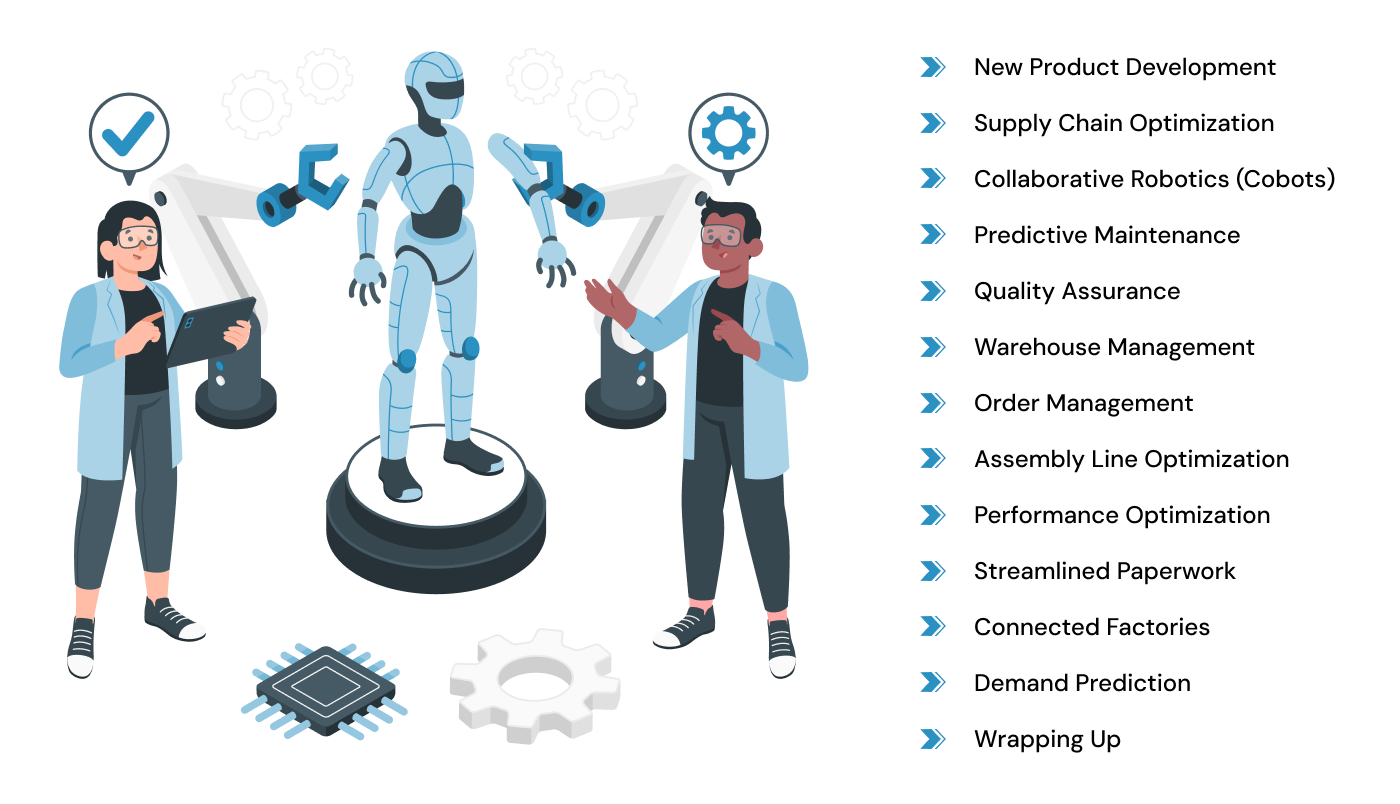
AI in Manufacturing: Revolution & Case Studies
Healthcare uses document intelligence and patient-flow optimization to streamline records and reduce wait times.
SaaS companies deploy AIOps for model monitoring and cost control, keeping cloud bills predictable.
Every playbook follows the same format: problem, solution, expected ROI, and two tool examples that integrate today.
Implementation Roadmap: From Pilot to Enterprise Scale
Phase 1 runs a three-day data readiness audit. Fix the common pitfalls—missing fields, inconsistent formats—before any model trains.
Phase 2 selects the right stack. Most teams succeed with NetSuite or Salesforce integrations plus cloud MLOps platforms.
Phase 3 applies a responsible AI checklist: bias testing, governance rules, and security scans.
Phase 4 tracks three KPIs most ignore: model drift rate, automation coverage, and direct cost savings per use case.
Small teams finish the full roadmap in 90 days. Enterprises add governance layers and scale across departments.
Risks, Ethics, and How to Avoid the Top 5 Tech AI Failures
Data bias, model drift, security breaches, over-automation backlash, and regulatory fines remain real.
Practical fixes exist. Use explainable AI techniques so every decision traces back to data. Implement RAG layers to keep outputs accurate and grounded.
2026 compliance is straightforward: align with GDPR updates and the latest AI acts by documenting every training run.
Teams that follow these steps report 40% fewer failures in the first year.
2026 Tech AI Trends and Future-Proofing Checklist
Agentic AI workflows now handle multi-step tasks without constant prompts. Smaller multimodal models run efficiently on-prem or at the edge.
Pure generative hype without agents is fading fast.
Run this 60-second scorecard: Do you have production-ready agents? Multimodal data pipelines? Governance in place? Score above 7 and you are future-proof for the next 18 months.
Case Studies: Tech AI Delivering Measurable Results
One logistics firm cut predictive maintenance costs 28% and downtime 35% by embedding computer vision and agents into its ERP.
A mid-size insurer reduced fraud losses 42% and sped claims processing 65% with real-time detection models.
Each case followed the same pattern: audit data, pilot one use case, measure ROI, then scale. The repeatable template is included in the free checklist below.
Conclusion and Next Steps
Tech AI solves concrete problems when you integrate it correctly into your tech stack. It is not future tech—it is 2026’s highest-ROI lever for most operations teams.
Download the free resources: Problem-Solution Matrix, Implementation Checklist, and 2026 Trend Tracker.
Start with one high-impact use case this quarter. Book a 15-minute Tech AI audit if you want a second pair of eyes on your current stack.
The artificial intelligence foundations have been around for decades. What changed in 2026 is the practical integration into everyday business systems. Apply the steps above and you will see results within months.



[…] Generative AI straight to devices. It runs locally for privacy. Features include Genmoji, Visual Intelligence for […]