



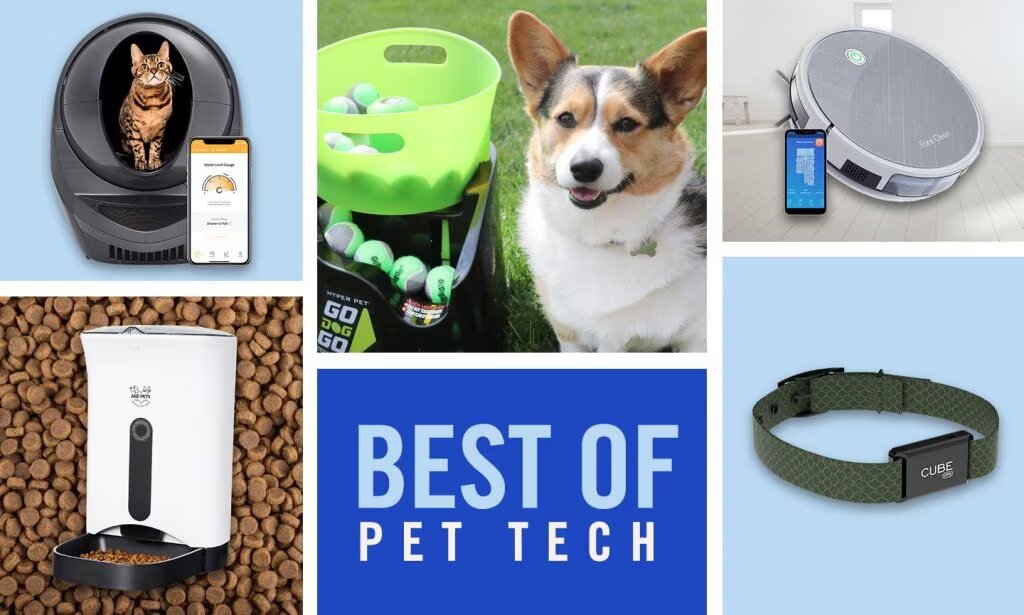

Pet tech gadgets are no longer limited to novelty devices. They now solve real daily problems like missed feeding times, pet escape incidents, anxiety during owner absence, and inconsistent health tracking.
In 2024, the global pet tech market was estimated to be valued at over $10 billion, with projected growth rates around 10–15% CAGR across smart collars, feeders, and monitoring devices. Most adoption is driven by urban pet owners who want remote control and visibility through mobile apps.
This article breaks down how each major category of pet tech gadgets works in real-life use cases. It also highlights limitations, cost structures, and reliability factors that are often ignored in marketing.
Smart Pet Feeders: Fixing Inconsistent Feeding Schedules
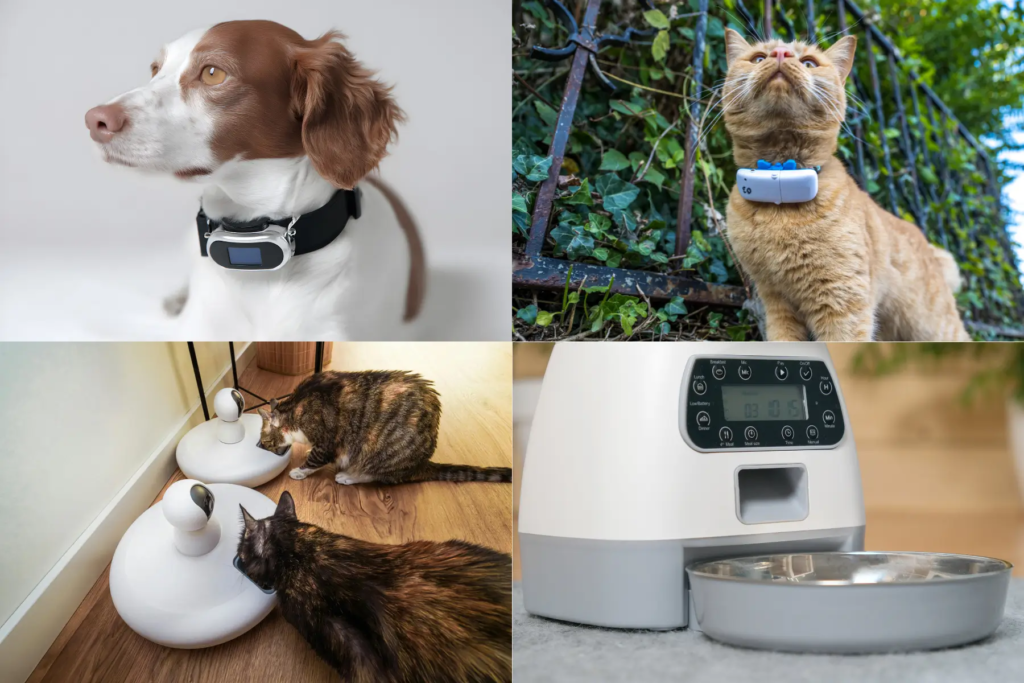
Smart pet feeders are one of the most widely used pet tech gadgets. They automate meal timing and portion control, especially for working owners.
Core problem they solve
Pets often get overfed or underfed when feeding depends on human schedules. Studies in veterinary nutrition show that over 50% of indoor pets are overweight, often due to irregular feeding patterns.
What matters in real usage
- Accurate portion dispensing (not estimated output)
- Multiple scheduled meals per day
- Backup battery support during power cuts
- Anti-jam food mechanisms for dry kibble
Common operational issue
Wi-Fi disconnection is the most reported failure point. When the connection drops, some feeders pause scheduling entirely unless they include offline memory.
Smart feeders are most useful in structured routines like weight management diets or multi-pet households where portion control is critical.
GPS Pet Trackers & Smart Collars: Location and Safety Control
GPS pet trackers help monitor real-time location using LTE or hybrid GPS systems. They are designed mainly for dogs that go outdoors frequently or have escape behavior.
How tracking works
- GPS satellites provide location
- LTE or cellular network sends updates to mobile apps
- Geofencing triggers alerts when pets leave safe zones
Practical performance limits
- Indoor accuracy can drop due to signal obstruction
- Battery life reduces significantly with live tracking enabled
- Subscription plans are usually required for LTE connectivity
When they matter most
- Dogs that frequently escape yards
- Hiking or travel situations
- Senior pets with confusion or wandering behavior
A typical GPS tracker updates location every 2–10 seconds in live mode, depending on service quality. Faster updates drain battery more quickly.
Pet Cameras With Two-Way Audio: Monitoring Behavior, Not Just Watching
Pet cameras combine live video with motion alerts and two-way audio. Some models also include treat dispensers for interaction.
Main use cases
- Checking destructive behavior while away
- Reducing separation anxiety through voice interaction
- Monitoring multi-pet environments
What improves usability
- High-resolution night vision (important for indoor monitoring)
- Low-latency app streaming
- Motion detection that avoids false alerts
Security consideration
Cloud-based cameras store footage remotely. This raises privacy concerns if encryption or authentication is weak.
Smart Litter Boxes: Hygiene Automation for Cat Owners
Smart litter boxes automate waste removal and track usage patterns. They are designed to reduce daily cleaning effort and improve odor control.
How they work
- Sensors detect when the cat exits
- Automated rake or rotating drum removes waste
- Waste is stored in a sealed compartment
Benefits in daily use
- Reduced manual cleaning frequency
- Odor control improvements in small apartments
- Tracking litter usage patterns that may indicate health issues
However, cats sometimes reject automatic movement if introduced too quickly, especially if noise levels exceed comfort thresholds.
Pet Health Monitoring Gadgets: Activity and Behavior Tracking
Health-focused pet gadgets track movement, sleep, and sometimes temperature. These devices aim to detect early behavioral changes.
What they can measure
- Daily activity levels
- Sleep duration
- Rest patterns and inactivity spikes
Real limitation
These devices do not diagnose diseases. They only detect deviations from baseline behavior.
A sudden drop in activity can signal illness, but confirmation still requires veterinary evaluation.
Interactive Toys: Reducing Boredom in Indoor Pets
Interactive toys use motion, sound, or AI-driven movement to keep pets engaged.
Best suited for
- Indoor cats with limited activity space
- Dogs left alone during work hours
Common design failures
- Overly complex toys that pets ignore
- Low durability in strong chewers
- Noisy motors that discourage usage
Smart Water Fountains: Encouraging Hydration
Smart fountains circulate water to keep it fresh and appealing. Many cats naturally prefer running water over still bowls.
Key advantages
- Continuous filtration
- Better hydration habits
- Reduced bacterial buildup compared to static bowls
Maintenance is essential. Filters typically need replacement every 2–4 weeks depending on water quality and usage.
Pet Tech Ecosystem Overview
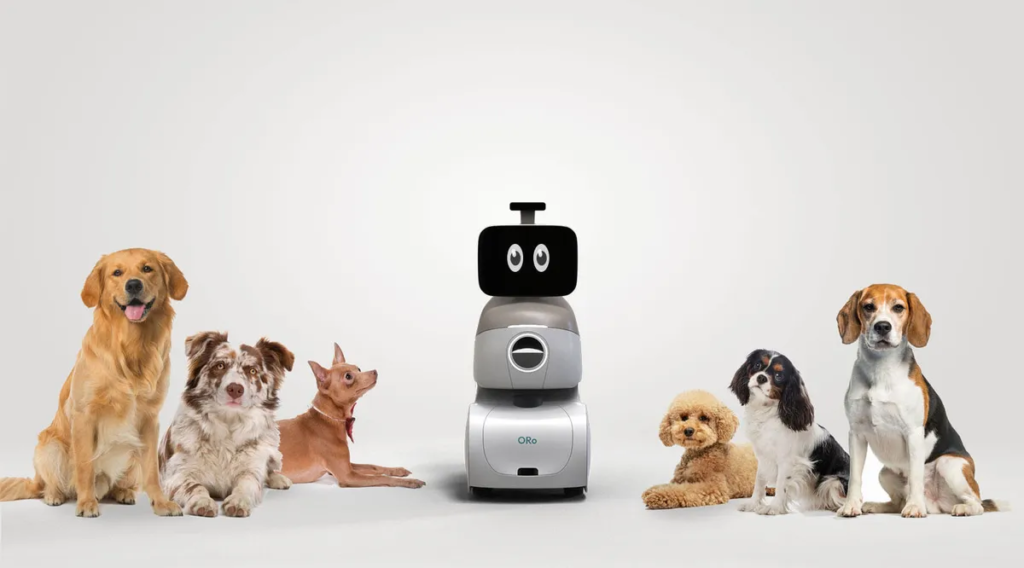
Pet tech gadgets work best when combined rather than used individually:
- Smart feeder ensures diet control
- GPS tracker improves outdoor safety
- Camera provides behavioral monitoring
- Health tracker observes long-term activity patterns
This ecosystem approach reduces dependency on a single device.
Overrated Features in Pet Tech Gadgets
Some advertised features do not perform consistently:
- Emotion detection AI (low accuracy in real behavior interpretation)
- Voice translation systems (not scientifically validated)
- Fully autonomous care systems without human intervention
These features often rely on pattern matching rather than true behavioral understanding.
How to Choose the Right Pet Tech Gadget
Before purchasing any device, focus on:
- Daily problem it solves (feeding, safety, health, hygiene)
- Battery reliability under real usage
- Subscription dependency
- App stability and update history
A useful rule is to prioritize function over feature count. Devices with fewer but stable features usually last longer in practical use.
Reference Context
Pet technology as a field overlaps with animal behavior monitoring, IoT devices, and veterinary informatics.
More background is available here: Pet technology overview
Conclusion
Pet tech gadgets are most effective when they solve specific, repeatable problems in daily pet care. Feeding automation, location tracking, behavioral monitoring, and hygiene control represent the core use cases.
The real value comes from reliability and consistency, not advanced marketing features. Devices that integrate smoothly into daily routines provide more benefit than feature-heavy systems that require frequent troubleshooting.





[…] – 15May2026 AI Technology Pupper Robot Guide: Features, Mini Pupper & DIY Setup AI Technology Pet Tech Gadgets: Smart Device Improve Feeding, Safety and Healt […]
[…] Modern warehouses generate massive amounts of inventory, shipment, and supplier data every day. Yet many logistics operations still rely on disconnected systems, spreadsheets, manual reconciliation, and delayed reporting. This creates inventory mismatches, shipment disputes, counterfeit risks, and poor supply chain visibility. […]