



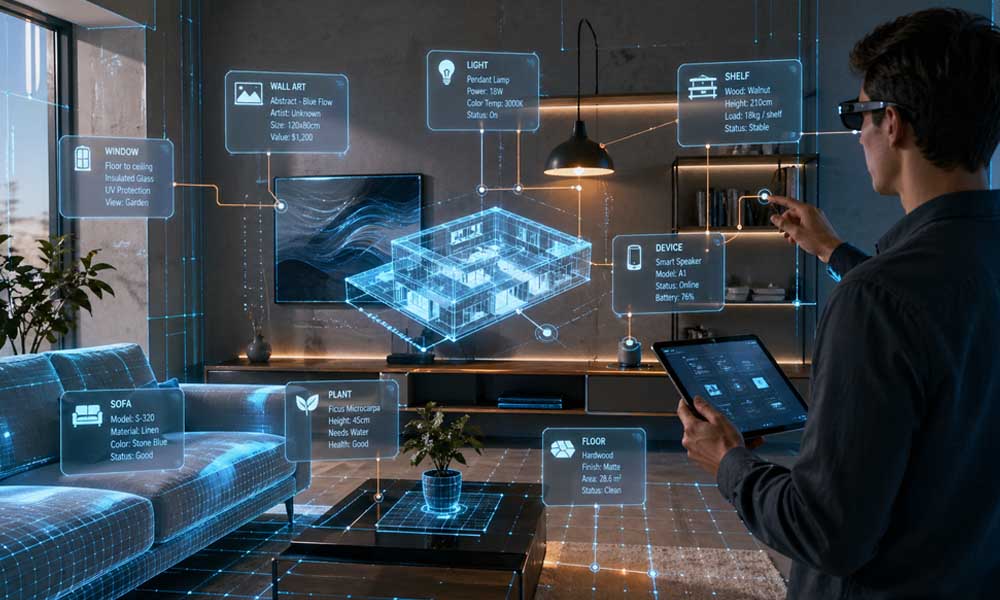

Augmented reality is no longer limited to placing 3D objects on a phone screen. Modern AR systems are moving toward environment-aware experiences that understand objects, remember spaces, and respond intelligently to user behavior. This shift is where ARK Augmented Reality becomes important.
ARK Augmented Reality focuses on combining spatial computing, AI models, and contextual understanding inside AR environments. Instead of showing static overlays, ARK systems aim to interpret surroundings in real time. That includes recognizing rooms, tracking object positions, adapting to lighting conditions, and maintaining persistent digital interactions.
The biggest difference is intelligence. Traditional AR applications mainly detect flat surfaces. ARK-based systems attempt to understand environments more deeply. This allows more stable object placement, smarter interactions, and personalized AR experiences across retail, gaming, healthcare, and industrial workflows.
Before discussing the technical layers, it is important to understand what ARK actually means because the term is often used in different ways online.
What Is ARK Augmented Reality?
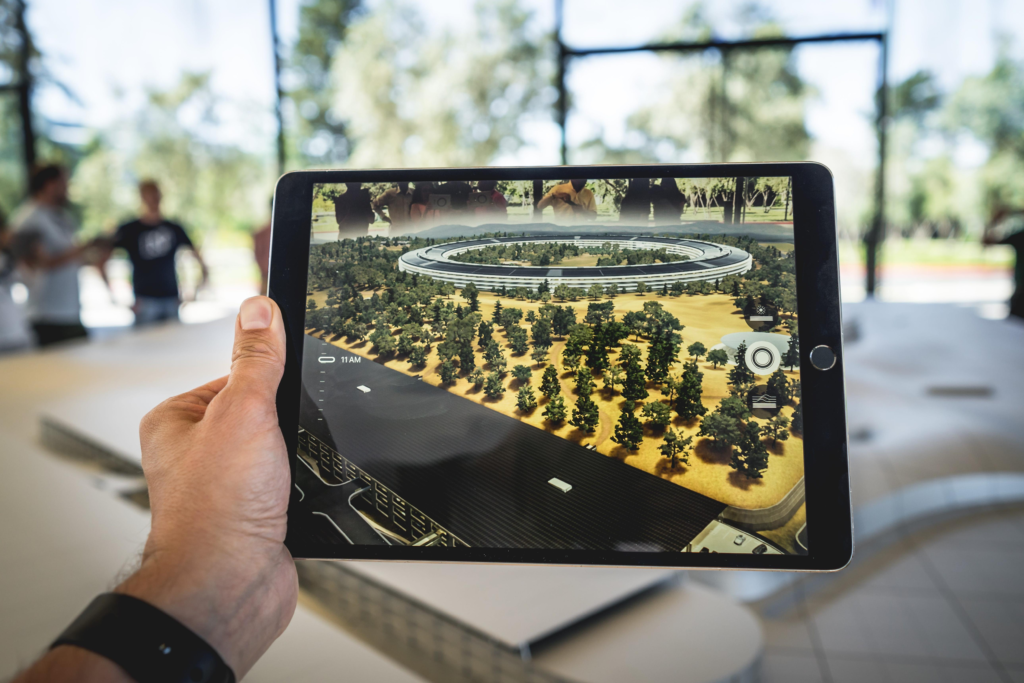
ARK generally refers to AI-enhanced augmented reality systems designed to combine environmental understanding with knowledge-based interaction. In many discussions, ARK is associated with “Augmented Reality with Knowledge,” where AR systems use AI reasoning instead of relying only on visual overlays.
Unlike standard AR filters or mobile overlays, ARK systems focus on:
- Persistent environment memory
- Context-aware interactions
- Real-time scene interpretation
- Intelligent object behavior
- Cross-modal user interaction
Some research papers also connect ARK frameworks with multimodal AI systems that combine computer vision, natural language processing, and spatial computing.
This matters because user expectations around AR have changed. People now expect AR systems to react intelligently instead of simply displaying animations.
According to industry estimates from IDC and Statista, the global AR and VR market is projected to exceed $100 billion in combined value within the next few years. A large part of that growth comes from enterprise and industrial use cases where intelligent AR delivers measurable productivity gains.
For readers unfamiliar with augmented reality itself, the concept is explained clearly on Wikipedia’s Augmented Reality page.
How ARK Augmented Reality Actually Works
The practical value of ARK comes from how different technologies work together in real environments.
Scene Understanding Beyond Surface Detection
Traditional AR apps mainly identify horizontal planes like floors or tables. ARK systems go further by analyzing:
- Room dimensions
- Object depth
- Spatial relationships
- Lighting conditions
- Movement patterns
This improves object stability significantly. A virtual chair placed in a room remains positioned accurately even when users move around the space.
Many advanced AR systems now use simultaneous localization and mapping (SLAM) to build real-time environmental maps. Devices with LiDAR sensors improve this accuracy further.
Knowledge Memory and Context Retention
One major limitation of older AR systems is session reset. Once the app closes, the environment mapping disappears.
ARK frameworks attempt to maintain persistent spatial memory. That means virtual objects can remain attached to specific locations even after users return later.
For example:
- A warehouse technician can reopen maintenance instructions in the same physical location.
- Retail shoppers can revisit saved furniture placements in their living room.
- Training simulations can resume from earlier sessions.
This persistence makes AR more useful for real-world workflows rather than short entertainment sessions.
AI Foundation Models Inside ARK
Modern ARK systems increasingly rely on AI foundation models.
These models help AR platforms:
- Recognize objects
- Interpret voice commands
- Generate contextual responses
- Understand user intent
- Adapt interactions dynamically
Instead of programming every scenario manually, AI models allow AR systems to respond flexibly to new environments.
This is one reason companies investing in spatial computing are also heavily investing in generative AI infrastructure.
Real-Time Cross-Modal Interaction
ARK systems often combine multiple input methods simultaneously:
- Voice commands
- Hand gestures
- Eye tracking
- Environment scanning
- Motion detection
This creates more natural interactions.
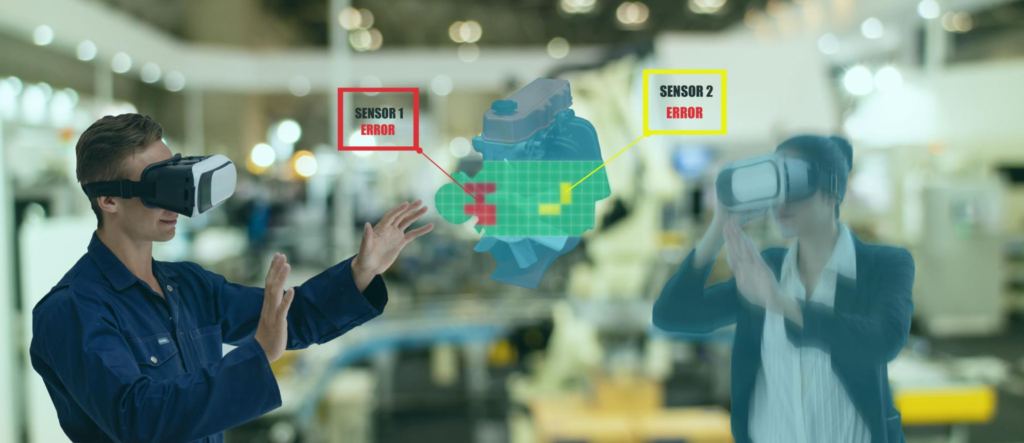
For example, a user could look at a machine component, ask for repair instructions verbally, and receive anchored visual guidance directly on the equipment.
That workflow is already appearing in enterprise AR training platforms.
ARK Augmented Reality vs Traditional AR
The difference between standard AR and ARK becomes clear during real-world usage.
| Feature | Traditional AR | ARK Augmented Reality |
|---|---|---|
| Surface Detection | Basic | Advanced spatial mapping |
| Object Stability | Limited | Persistent positioning |
| Environmental Awareness | Minimal | Context-aware |
| AI Interaction | Low | Integrated AI reasoning |
| Session Memory | Temporary | Persistent |
| User Adaptation | Static | Dynamic responses |
Traditional AR works well for simple filters and product previews. ARK systems target long-term usability in practical environments.
This distinction is especially important in industries where accuracy matters.
Real-World Use Cases Where ARK Performs Better
Retail and Spatial Commerce
Furniture and interior visualization apps benefit heavily from intelligent AR.
Instead of simply placing virtual objects, ARK systems can:
- Measure room dimensions
- Detect lighting conditions
- Suggest optimized placement
- Maintain persistent layouts
This improves purchase confidence and reduces return rates.
Several retail studies show that AR-assisted shopping can improve conversion rates by more than 30% in certain product categories.
Gaming and Immersive Simulation
Gaming is another area where ARK creates noticeable improvements.
Traditional AR games mostly overlay graphics onto camera feeds. ARK systems allow environments to react intelligently to player movement and room structure.
This creates more adaptive gameplay experiences.
Education and Technical Training
Training environments benefit from persistent AR guidance.
Industrial technicians can receive:
- Step-by-step repair overlays
- Safety alerts
- Equipment identification
- Real-time operational guidance
This reduces training time and improves procedural accuracy.
Large manufacturing companies are already using AR-based maintenance systems to reduce downtime and improve workforce efficiency.
Healthcare and Medical Visualization
Medical training applications use intelligent AR for anatomy visualization and procedural assistance.
Doctors and students can view layered anatomical structures aligned with physical positioning.
Some surgical navigation systems also use AR-assisted overlays during procedures.
Architecture and Urban Planning
Architects use advanced AR systems to preview structures at real-world scale.
This helps teams evaluate:
- Space utilization
- Environmental fit
- Structural visibility
- Collaborative design adjustments
The ability to walk around full-scale virtual structures improves planning accuracy significantly.
Hardware Requirements for ARK Augmented Reality
Advanced ARK experiences require stronger hardware than standard mobile AR apps.
Important components include:
- LiDAR scanners
- Depth sensors
- Motion tracking cameras
- High-performance GPUs
- SLAM-capable processors
Devices supporting advanced AR features include:
- AR headsets
- Spatial computing devices
- High-end smartphones
- Industrial smart glasses
Low-end devices often struggle because real-time scene mapping and AI processing consume large computational resources.
Battery consumption is also a major limitation.
Key Technologies Behind ARK Systems
Several technologies work together inside ARK frameworks.
Spatial Computing
Spatial computing allows devices to interpret physical spaces digitally.
Computer Vision
Computer vision identifies objects, surfaces, and environmental depth in real time.
Knowledge Graphs
Knowledge graphs help AR systems understand relationships between objects and actions.
Generative AI
Generative AI improves contextual responses and adaptive interactions.
Real-Time Rendering Engines
Rendering engines process 3D environments and maintain interactive visual stability.
Cloud-Based Scene Processing
Some ARK systems offload heavy processing tasks to cloud infrastructure to reduce device limitations.
Challenges and Limitations of ARK Augmented Reality
Despite the improvements, ARK still faces important technical and practical limitations.
Processing Power and Battery Drain
Advanced spatial mapping and AI inference require significant computing resources.
This increases thermal load and battery usage.
Privacy Risks
ARK systems continuously scan physical environments.
This raises concerns around:
- Interior mapping
- Object recognition
- User behavior tracking
- Data storage security
Privacy regulations will likely become stricter as spatial computing adoption grows.
Latency Problems
Real-time AI responses require low-latency processing.
Any delay can reduce immersion and usability.
High Hardware Costs
Advanced AR headsets and spatial computing devices remain expensive for mainstream users.
This limits broader consumer adoption.
ARK Augmented Reality and the Future of Spatial AI
The long-term direction of AR is moving toward intelligent spatial systems rather than isolated visual overlays.
Future ARK systems may support:
- AI assistants inside physical environments
- Collaborative remote workspaces
- Industrial automation guidance
- Real-time multilingual AR translation
- Smart city infrastructure interaction
However, widespread adoption still depends on hardware affordability, privacy regulation, and processing efficiency.
Current development trends suggest enterprise sectors will continue leading adoption before mass consumer expansion happens.
Is ARK Augmented Reality Available Today?
Parts of ARK technology already exist commercially.
Several companies are integrating:
- AI-enhanced scene understanding
- Persistent AR environments
- Context-aware interaction systems
- Spatial AI assistants
However, fully integrated ARK ecosystems are still evolving.
Most current implementations focus on enterprise workflows rather than consumer entertainment.
Industries actively testing intelligent AR systems include:
- Manufacturing
- Healthcare
- Logistics
- Retail
- Construction
- Defense training
Frequently Asked Questions About ARK Augmented Reality

Is ARK Augmented Reality different from normal AR?
Yes. ARK focuses on intelligent environmental understanding and persistent interactions rather than simple visual overlays.
Does ARK require AR glasses?
Not always. Some features work on smartphones, but advanced ARK experiences perform better on specialized hardware.
Is ARK connected to AI?
Yes. AI models play a major role in object recognition, contextual understanding, and adaptive interaction.
Can ARK work offline?
Some features can operate locally, but advanced AI processing often requires cloud infrastructure.
Which industries benefit most from ARK?
Manufacturing, healthcare, retail, logistics, architecture, and training environments currently benefit the most.
Conclusion
ARK Augmented Reality represents a shift from static AR experiences toward intelligent spatial interaction.
The key advancement is not visual quality alone. It is environmental understanding, contextual awareness, and persistent interaction capability.
This makes AR more practical for industries that require accuracy, continuity, and real-time guidance.
While hardware limitations and privacy concerns still exist, intelligent AR systems are becoming increasingly important in enterprise computing, industrial training, spatial commerce, and collaborative digital environments.
The next stage of augmented reality will likely depend less on visual effects and more on how effectively systems understand and interact with real-world spaces.






[…] Economies of Scale and Cost Reduction Independent agency networks lead to duplicated contracts, hardware, staffing, and operations. A centralized SWAN consolidates procurement and management, often delivering 20–40% reductions in wide-area networking costs within the first contract term. Savings can be redirected to public priorities such as education, healthcare, and digital modernization. […]
[…] Schools and district education departments often use statewide networks for centralized reporting systems. […]