



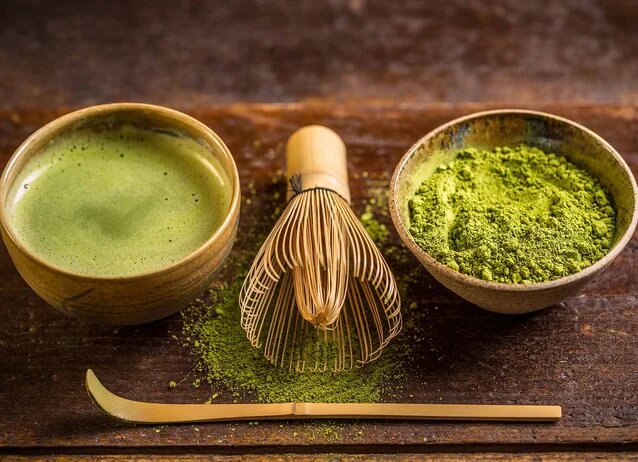

Matcha is finely ground powder made from shade-grown green tea leaves of the Camellia sinensis plant. Farmers in Japan cover the plants with shade nets for 20–30 days before harvest. This step spikes chlorophyll, L-theanine, and other compounds. Workers steam the leaves, dry them into tencha, remove stems and veins, then stone-grind them slowly into powder. You whisk the powder directly into hot water and drink the whole leaf.

Amazon.com: CAMATET Matcha Bowl with Spout, 500 ml/18 oz Ceramic Matcha Mixing Bowl, Japanese Ceremonial Matcha Chawan for Matcha Powder /Salad/Fruit/Soup/Tea – Matcha Green : Home & Kitchen
That single difference changes everything. Steeped green tea discards the leaves. Matcha lets you absorb everything inside them. One 2-gram serving delivers 60–80 mg of caffeine—roughly double a cup of regular green tea. It also provides three times more catechins overall. Studies show the powder form can deliver up to 137 times more EGCG antioxidants than many steeped green teas when you compare equal weights.
The flavor is umami-rich, slightly sweet, and grassy when fresh. Color ranges from bright emerald in top grades to olive in lower ones. Texture must feel silky. Any grit or dullness signals lower quality or poor storage.
People Also Read this : Ukulele History: Origins, Timeline & Evolution from Portugal to Hawaii
Matcha vs. Regular Green Tea – The 5 Critical Differences
Regular green tea grows in full sun. Matcha grows in shade. The lack of direct light forces the leaves to produce more L-theanine and chlorophyll while reducing bitter catechins.
You steep and discard green tea leaves. Matcha uses the entire leaf. This boosts nutrient delivery.
Caffeine levels differ too. Matcha gives steady release because L-theanine softens the buzz. Green tea offers a lighter lift.
Antioxidant count favors matcha. One serving often equals three cups of steeped green tea in catechin content.
Taste profile stands apart. Matcha tastes creamy and vegetal. Green tea stays lighter and more astringent.
Most café “matcha lattes” use culinary-grade or even dyed green tea powder. Check the label if you want real results.
How Matcha Is Grown and Made
Production starts in regions like Uji or Nishio. Farmers select first-flush leaves only. Shade nets go up in early spring. After harvest, leaves steam briefly to stop oxidation. They dry flat, then strip stems by hand or machine.
Tencha leaves rest before stone mills grind them. Slow rotation keeps the powder cool and fine—under 20 microns in premium batches. Faster modern mills can create heat that dulls flavor and color.
Japan sets strict standards for origin and processing. China produces some matcha, but flavor and nutrient profiles usually differ due to different shading and grinding methods.
Ceremonial vs. Culinary Grade Matcha – Pick the Right One
Ceremonial grade comes from the youngest leaves. It shows vivid green color, smooth texture, and sweet umami notes. Use it for straight drinking.
Culinary grade uses later-harvest or lower leaves. It tastes earthier and stronger. It works well in lattes, smoothies, or baking where milk and sugar balance the flavor.
Here’s a quick decision guide:
- Want pure tea? Choose ceremonial.
- Make daily lattes on a budget? Go culinary.
- See dull color or “blend” on the label? Skip it.
A 2025 lab comparison showed ceremonial matcha holds higher L-theanine (around 978 mg per 100 g in top samples) and lower bitter EGC catechins than culinary grades.
What Real Matcha Tastes Like and How to Fix Bitterness
Fresh ceremonial matcha tastes like sweet grass with a creamy finish. No bitterness appears when prepared right.
Four common causes create bitterness:
- Water hotter than 175°F (80°C) scorches the powder.
- Poor whisking leaves clumps that over-extract.
- Old powder oxidizes and turns dull.
- Wrong grade for the recipe.
Fixes stay simple. Use 175°F water. Sift the powder first. Whisk in a W or M motion for 15–20 seconds until frothy. Store in an airtight tin away from light and heat. It stays vibrant for 3–6 months after opening.
Science-Backed Benefits of Matcha
The L-theanine and caffeine pair creates calm focus. One study noted improved attention and reduced mental fatigue without the coffee crash.
Antioxidants protect cells. EGCG and other catechins help fight oxidative stress. Research links regular green tea compounds to better heart markers and lower inflammation, though matcha’s higher concentration may amplify the effect.
Daily intake of 1–2 grams (about 1–2 teaspoons) fits most routines. Matcha supports metabolism and liver health in lab settings, but results vary by lifestyle.
It contains more fiber and chlorophyll than steeped tea because you drink the whole leaf. This adds gentle digestive support.
How to Make Perfect Matcha in Under 2 Minutes
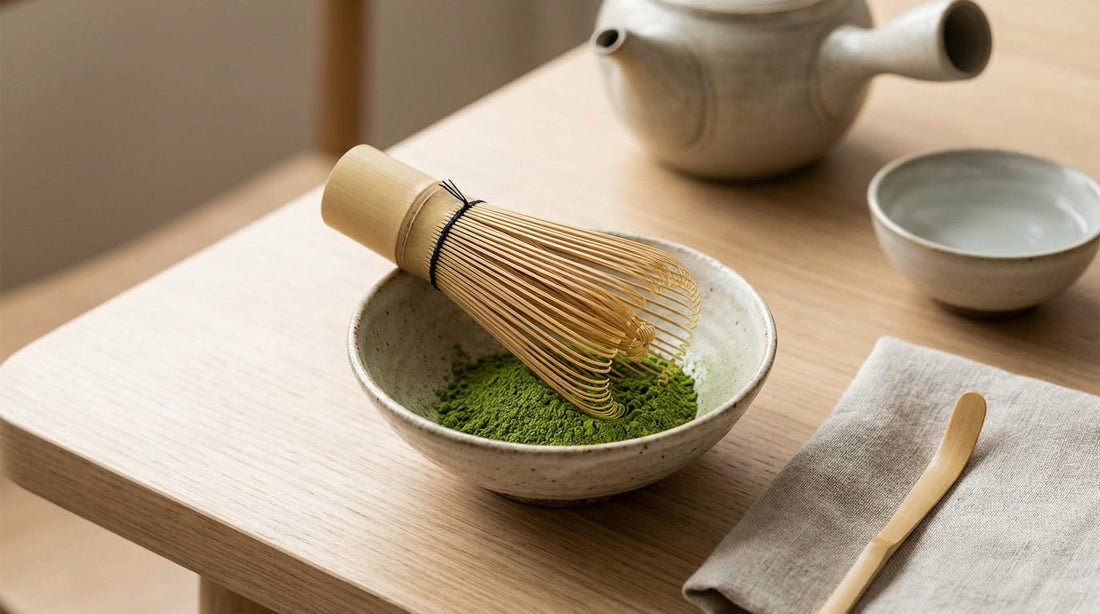
You need a chawan bowl, bamboo chasen whisk, and sifter. Tools cost under $30 for starters.
Classic usucha (thin tea):
- Sift 1 teaspoon (2 g) matcha into the bowl.
- Add 2 oz (60 ml) water at 175°F.
- Whisk vigorously in M/W strokes until frothy. Drink immediately.
Koicha (thick tea) uses double the powder and half the water for a syrupy texture used in ceremonies.
Iced version: Whisk hot, then pour over ice. Add oat milk for a latte—heat the milk separately to keep the foam.
Troubleshooting:
- Clumps? Sift first and use cooler water.
- Weak taste? Increase powder or whisk longer.
- Bitter? Lower temperature and check freshness.
What Is a Matcha Whisk? Guide to the Chasen & Matcha Tools – Ujicha Matcha
How to Buy Quality Matcha in 2026
Follow this 8-point checklist:
- Origin: Japan (Uji or Nishio preferred).
- Harvest date: Within the last year.
- Color: Bright green, never brown.
- Texture: Ultra-fine, no grit.
- Packaging: Opaque, airtight tin.
- Grade: Match the use (ceremonial for drinking).
- Certifications: Organic if you prefer.
- Price: Under $1 per serving signals low quality.
Store opened tins in the fridge or freezer for longer life. Avoid Amazon bulk deals without reviews—many mix in lower-grade powder.
10 Creative Ways to Use Matcha Beyond the Bowl
Stir ½ teaspoon into overnight oats or smoothies for extra nutrients. Mix into banana bread batter for natural color and flavor. Blend with yogurt for a protein snack. Whisk into salad dressing with olive oil and lemon. Add to energy balls with dates and nuts.
These ideas stretch one tin further and solve the “I only drink one bowl a day” problem.
Matcha FAQs
How much caffeine? One teaspoon equals one small coffee but feels smoother. Safe in pregnancy? Limit to 1 cup daily and check with your doctor—caffeine rules apply. Breaks a fast? Minimal calories, but the powder adds trace carbs. Cold brew possible? Yes—shake powder with cold water or milk and let sit 5 minutes.
For full details on matcha history and production, see the matcha entry on Wikipedia.
Start with one ceremonial tin and the 60-second whisk method today. You’ll notice the difference in color, taste, and steady energy within the first week. The rest of the guide helps you avoid common mistakes and get the most from every scoop.




[…] People Also Read : What Is Matcha? A Practical Guide to Japan’s Powdered Green Tea […]
[…] once established. Different colors carry clear meanings that suit gifts, weddings, or memorials. This Guide gives exact steps to choose the right type, grow them successfully, and fix the most common […]
[…] if most orders are tariff-free, these situations increase your […]