



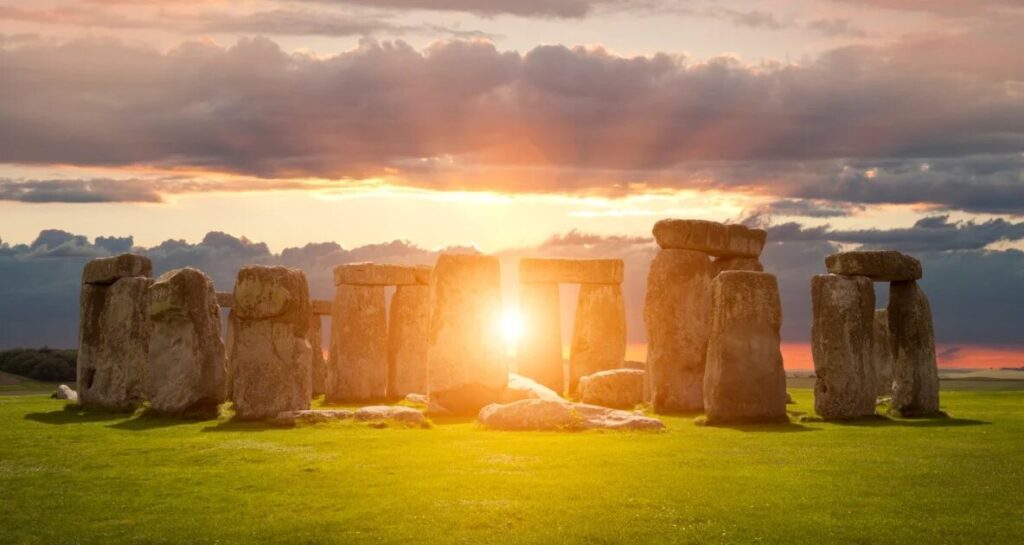

The first day of summer 2025 is Friday, June 20. It arrives at exactly 10:42 p.m. EDT. That moment marks the summer solstice in the Northern Hemisphere.
At that precise time, daylight hits its maximum for the year. After 10:42 p.m. EDT, the days start getting shorter. Most U.S. cities see between 14 and 19 hours of sunlight on June 20, depending on location.
The solstice does not always land on the same date. In 2025 it falls on June 20 instead of June 21. This happens because of the way Earth’s orbit and 23.5-degree axial tilt line up with our calendar.
Why the date and time matter
Meteorological summer starts June 1 and runs through August 31. That version tracks average temperatures. Astronomical summer, the one tied to the solstice, runs from June 20, 2025, until September 22, 2025. The switch happens at 02:42 UTC on June 21, which translates to 10:42 p.m. EDT the night before in North America.
Here is what changes right at the solstice moment. The sun sits directly above the Tropic of Cancer at 23.5° N latitude. Noontime shadows reach their shortest length of the entire year. North of the Arctic Circle, the sun never sets on June 20. South of the equator, the same moment starts winter and brings the shortest day.

The summer solstice is June 21: 7 things to know about the longest day of the year | Vox
Daylight hours on June 20, 2025
Exact sunrise and sunset times vary by city, but here is a quick reference for major spots (all times local):
- New York City: sunrise 4:44 a.m., sunset 9:22 p.m. → 15 hours 38 minutes
- Chicago: sunrise 5:15 a.m., sunset 8:31 p.m. → 15 hours 16 minutes
- Los Angeles: sunrise 5:41 a.m., sunset 8:07 p.m. → 14 hours 26 minutes
- Miami: sunrise 6:25 a.m., sunset 8:13 p.m. → 13 hours 48 minutes
- Seattle: sunrise 5:07 a.m., sunset 9:20 p.m. → 16 hours 13 minutes
- Anchorage: sunrise 4:20 a.m., sunset 11:42 p.m. → 19 hours 22 minutes
These numbers come from standard astronomical data. After June 20, every day loses a few seconds to a few minutes of daylight. The next three weeks still deliver near-peak light, so plan big outdoor activities soon.
People Also Read : What Is Matcha? A Practical Guide to Japan’s Powdered Green Tea
Simple ways to use the longest day
You do not need fancy gear to mark the moment. At local solar noon on June 20, step outside and check your shadow. It will be the shortest you see all year. Mark the spot with a stick and measure it if you want a quick record.
For a low-key evening, host a backyard gathering. Sunset times above tell you exactly when to light the grill or start the fire pit. Keep it safe: clear a 10-foot circle around any open flame and keep a hose nearby. Simple menu ideas work best — grilled vegetables, fresh fruit salad, and iced tea. The extra daylight gives everyone time to linger without rushing.
If you prefer an outing, the Friday solstice lines up with a three-day weekend for many. Head to a local park, beach, or trail before 7 p.m. local time. You will still have hours of usable light. Pack water, sunscreen rated SPF 30 or higher, and a light jacket for after dark.
Midsummer traditions that still work in 2025
Ancient cultures used the solstice to mark the shift in seasons. Farmers in Egypt watched it as a signal for the Nile flood. In Europe, midsummer bonfires and herb bundles brought luck. You can borrow the useful parts without the superstition. Gather a few fresh herbs from your garden or market and hang them to dry. The longest day gives perfect conditions for air-drying.
Modern gatherings at Stonehenge still draw crowds, but you can join virtually or find a local park event. The key detail is timing: everything lines up with that 10:42 p.m. EDT moment.
Full 2025 summer timeline
- June 20: Summer solstice and first day of astronomical summer
- July 3: Dog Days of Summer begin (hottest stretch)
- August 31: Meteorological summer ends
- September 22: Autumn equinox, astronomical summer ends
Mark these dates in your calendar now. They help you plan vacations, garden tasks, and energy use around real daylight changes.
Quick checklist to get the most from the longest day
- Check your local sunrise/sunset on a site like timeanddate.com.
- Apply sunscreen 30 minutes before going out.
- Hydrate before you feel thirsty — longer light hours mean more time outside.
- Note the exact solar noon time for your zip code and step outside.
- End the day with a short evening walk while it is still light.
These steps solve the common problem of “I want to enjoy summer but I never know when to start.” You now have the exact trigger date and practical actions.
The solstice also explains why June 20 feels different from June 1. Meteorological summer uses temperature averages for weather forecasting. Astronomical summer tracks the actual position of the sun. Both are correct; they simply answer different questions.
For more background on how solstices work worldwide, see the summer solstice entry on Wikipedia.
FAQs
Is the first day of summer June 20 or 21 in 2025? June 20 for North America. The exact moment is 10:42 p.m. EDT on the 20th.
Does the time change by time zone? Yes. Subtract one hour for each zone west of Eastern Time.
Why is the longest day not the hottest day? The ground and oceans take time to warm up. Peak heat usually hits mid to late July.
Can you see anything special from your backyard? Yes — the shortest noon shadow and the latest sunset of the year.
What happens in the Southern Hemisphere? June 20 marks their winter solstice and shortest day.
The 2025 solstice gives you one clear, data-backed chance to align your plans with maximum daylight. Use the exact time, the city-specific hours, and the simple checklist above. You will squeeze more out of the season without guesswork or last-minute scrambling. Summer 2025 has already passed, but the pattern repeats every year — and now you know exactly how to prepare next time.




[…] If you’re searching for WhatsApp Plus, you likely want more control over privacy, themes, or file sharing than the official app allows. Here’s the direct answer: WhatsApp Plus is an unofficial modified version of WhatsApp that offers extra features—but comes with real security risks and a high chance of account bans. […]