

Running a business without strong operations creates slow workflows, rising costs, employee confusion, and inconsistent customer experiences. Many companies focus heavily on marketing and sales, but operational problems quietly reduce profits in the background.
Business operations are the systems, processes, people, and technologies that keep a company functioning daily. They affect inventory management, customer support, payroll, logistics, communication, reporting, and every workflow connected to delivering products or services.
According to research from McKinsey & Company, companies that improve operational efficiency through automation and process optimization can significantly reduce operational costs while improving productivity. This is why operations management is no longer limited to large enterprises. Small businesses now rely on operational systems to stay competitive.
Before companies scale revenue, they usually need to fix operational inefficiencies first. That is where business operations become critical.
What Business Operations Actually Mean

Business operations refer to the daily activities required to run a company efficiently. These activities include:
- Managing employees
- Handling workflows
- Delivering products or services
- Processing payments
- Monitoring performance
- Maintaining customer support
- Managing inventory and logistics
- Using software systems for operations
In simple terms, operations are the foundation that keeps the business moving.
According to Wikipedia, business operations involve the recurring activities that organizations perform to generate value for customers and stakeholders.
You can learn more here: Business Operations on Wikipedia
What makes operations important is their direct effect on profitability. Even businesses with strong sales can struggle if operational costs remain uncontrolled.
Core Components of Business Operations
Every business operation usually depends on four connected areas.
People
Employees execute operational workflows. Poor role clarity often creates delays and communication gaps.
Efficient companies define:
- Responsibilities
- Approval structures
- Reporting systems
- Department coordination
For example, unclear sales and support handoffs commonly lead to customer dissatisfaction.
Processes
Processes are repeatable steps used to complete tasks.
This includes:
- Order fulfillment
- Customer onboarding
- Payroll processing
- Inventory tracking
- Marketing approvals
Companies that document workflows through SOPs usually reduce operational errors faster than companies relying on verbal instructions.
Systems & Technology
Modern operations rely heavily on software.
Common operational tools include:
- CRM systems
- ERP platforms
- Accounting software
- Inventory management systems
- Workflow automation tools
Without centralized systems, businesses often experience reporting delays and inconsistent data.
Financial Operations
Operational decisions directly affect costs.
This includes:
- Budget allocation
- Vendor payments
- Operational expenses
- Cash flow management
Companies with weak operational cost tracking often face margin problems during growth periods.
Common Business Operations Problems
Most operational problems are not caused by a lack of effort. They usually happen because workflows become difficult to manage as companies grow.
Here are the most common issues businesses face.
Manual Workflows
Teams still using spreadsheets for repetitive processes waste time on tasks that software can automate.
Examples include:
- Invoice processing
- Lead assignment
- Reporting
- Customer follow-ups
Manual workflows also increase human error.
Poor Communication Between Departments
Operations break down when departments work in isolation.
Sales teams may promise unrealistic delivery times. Support teams may not receive complete customer information. Finance teams may lack operational visibility.
These communication gaps slow the entire business.
Lack of Process Documentation
When workflows exist only in employees’ minds, businesses struggle during employee turnover.
Documented processes improve:
- Employee onboarding
- Consistency
- Training
- Accountability
This becomes especially important during scaling.
Operational Bottlenecks
Bottlenecks happen when one stage slows every connected workflow.
For example:
- Delayed approvals
- Limited warehouse capacity
- Slow customer response times
- Manual reporting systems
Even one bottleneck can affect revenue generation.
How Businesses Improve Operations

Improving operations does not always require expensive systems. Most companies start by identifying inefficiencies first.
Process Mapping
Process mapping helps companies visualize workflows.
This helps identify:
- Duplicate tasks
- Approval delays
- Communication breakdowns
- Unnecessary steps
Businesses often discover that certain tasks add no operational value.
Standardization
Standardized workflows improve consistency.
This usually includes:
- SOP documentation
- Templates
- Checklists
- Workflow guidelines
Standardization reduces dependency on individual employees.
Automation
Automation is one of the biggest operational trends today.
Companies commonly automate:
- Email workflows
- Reporting
- Inventory updates
- Payroll processing
- Customer ticket routing
According to Deloitte Insights, automation adoption continues to increase because businesses want faster operations with lower labor-intensive workloads.
However, automation works best after workflows are already organized. Automating broken processes usually creates bigger problems.
Business Operations Metrics That Matter
Operations should be measured continuously.
The most useful operational KPIs include:
Operational Efficiency Ratio
Measures how effectively resources generate revenue.
Cost Per Task
Helps businesses identify expensive workflows.
Customer Fulfillment Time
Tracks delivery speed and operational responsiveness.
Inventory Turnover
Important for retail, manufacturing, and eCommerce operations.
Employee Productivity
Measures output relative to operational costs.
These metrics help companies identify operational weaknesses early.
Role of Technology in Modern Business Operations
Technology now drives nearly every operational system.
Businesses increasingly use cloud-based tools because they improve accessibility, reporting, and collaboration.
Smart AI in Business Operations
AI tools now assist with:
- Predictive analytics
- Customer service automation
- Workflow recommendations
- Forecasting demand
- Data analysis
AI does not replace operational management completely, but it reduces repetitive workloads.
Cloud-Based Operations
Cloud systems help businesses:
- Manage remote teams
- Centralize data
- Improve reporting access
- Reduce infrastructure costs
This is especially useful for multi-location businesses.
Business Operations for Small Businesses
Small businesses often operate with limited resources, which makes operational efficiency even more important.
Many small companies make the mistake of delaying operational systems until growth creates problems.
Instead, small businesses should focus on:
- Simple workflows
- Affordable automation tools
- Clear documentation
- Basic KPI tracking
Tools like HubSpot, Asana, and QuickBooks are commonly used because they simplify operations without enterprise-level complexity.
Business Operations During Scaling
Scaling creates operational pressure quickly.
Processes that work for 5 employees often fail at 50 employees.
Common scaling challenges include:
- Communication overload
- Delayed approvals
- System limitations
- Hiring inefficiencies
- Inconsistent customer experiences
This is why growing companies invest heavily in operational infrastructure before expansion.
Operations teams usually focus on:
- Workflow redesign
- Reporting systems
- Team coordination
- Automation implementation
- Performance monitoring
Strong operations help companies scale without losing efficiency.
Business Operations Manager Responsibilities
Operations managers oversee workflow performance across departments.
Their responsibilities often include:
- Process optimization
- Resource allocation
- Team coordination
- Performance tracking
- Vendor management
- Operational reporting
They also identify inefficiencies before they become costly business problems.
In larger organizations, operational leadership may involve Chief Operating Officers (COOs), while smaller businesses often combine operations management with administration roles.

Best Business Operations Software
Different businesses require different operational tools.
Common categories include:
Project Management
- Monday.com
- Trello
- Asana
CRM & Sales Operations
- Salesforce
- HubSpot
Automation Tools
- Zapier
- Microsoft Power Automate
Financial Operations
- NetSuite
- QuickBooks
The right software depends on company size, workflow complexity, and operational goals.
Best Practices for Better Business Operations
Businesses that maintain efficient operations usually follow several consistent practices.
Document Every Repeatable Process
Clear documentation improves consistency.
Track Operational Metrics Regularly
Data helps identify inefficiencies early.
Reduce Unnecessary Complexity
Complicated workflows often reduce productivity.
Improve Cross-Team Visibility
Departments should share operational information effectively.
Review Systems Frequently
Operational needs change as businesses grow.
Continuous improvement is essential because operations never remain static.
The Future of Business Operations
Business operations are becoming increasingly data-driven.
Future operational trends include:
- AI-powered workflow management
- Predictive operational analytics
- Hyperautomation
- Real-time reporting systems
- Remote operational infrastructure
Companies that adapt operational systems early usually respond faster to market changes.
Final Thoughts
Business operations directly influence efficiency, profitability, customer satisfaction, and scalability.
Companies with poor operational systems often experience rising costs, delayed workflows, and inconsistent performance. In contrast, businesses with structured operations usually scale more efficiently and maintain stronger internal coordination.
The most effective operational strategies focus on:
- Process clarity
- Automation where appropriate
- Performance tracking
- Communication improvement
- Scalable systems
Operations may work behind the scenes, but they often determine whether a business grows sustainably or struggles under increasing complexity.
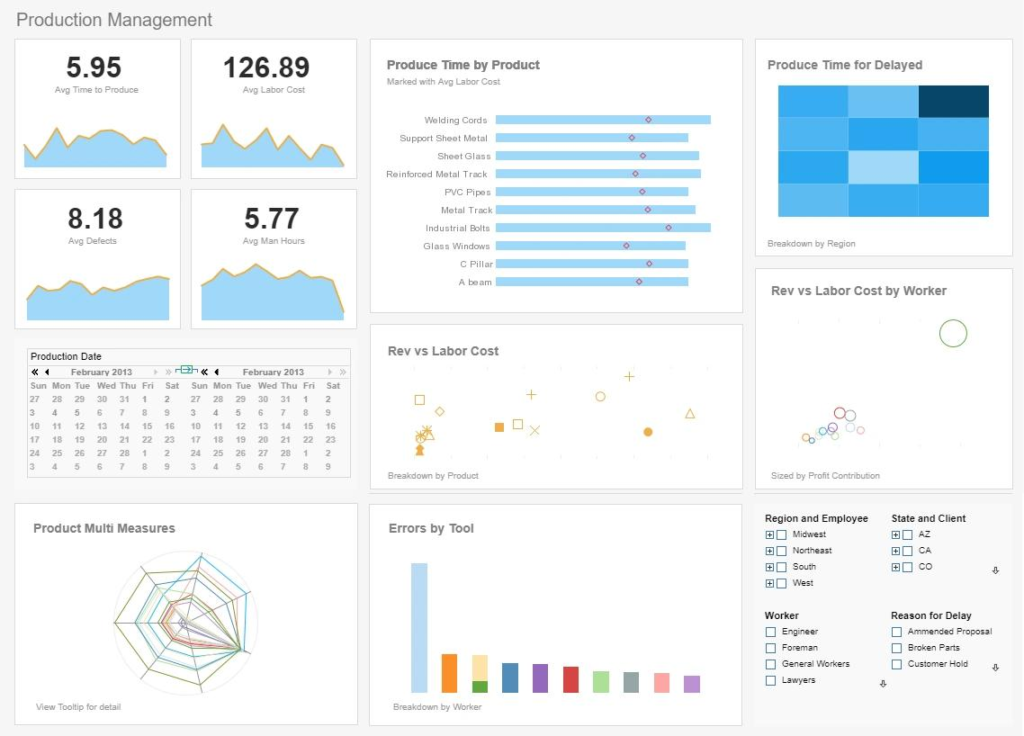
Business Operations Workflow Example

Modern Business Operations Systems