



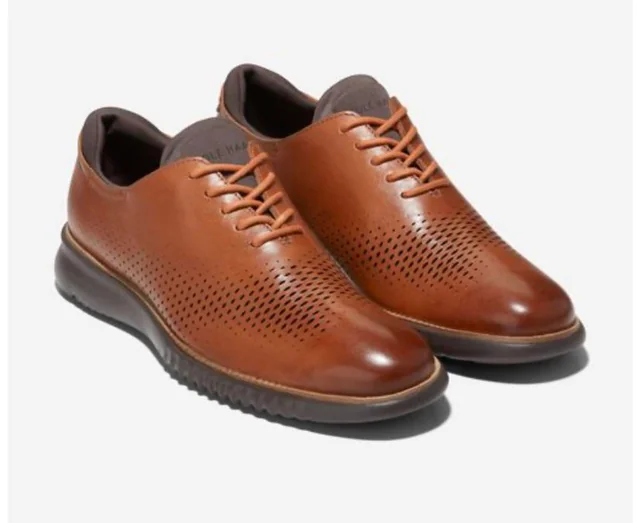

Business casual shoes sit in a narrow middle ground. Too formal, and you look stiff. Too relaxed, and you look careless. Most people get this wrong, especially in modern workplaces where dress codes are flexible but expectations still exist.
The right pair should look structured, clean, and intentional. It should work with chinos, dress pants, and even dark jeans. In fact, a survey by workplace platform Gallup shows that over 60% of employees now work in environments with relaxed dress codes, which makes choosing the right level of casual more important than ever.
This guide focuses on making that decision simple. You’ll learn which shoes actually work, which ones fail, and how to match them with real outfits without overthinking.
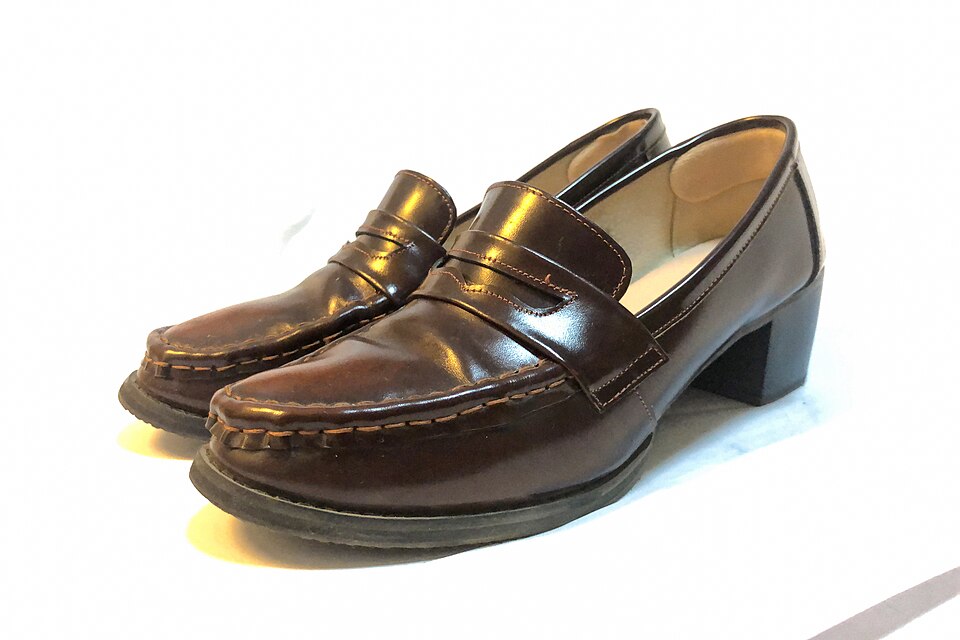
What “Business Casual Shoes” Actually Mean in 2026
Business casual shoes are not a fixed category. They are defined by context. The same pair of shoes can feel appropriate in one office and out of place in another.
At its core, business casual footwear blends professional structure with relaxed styling. That usually means:
- No athletic features
- No extreme shine or formality
- Clean shape and neutral colors
To understand this better, it helps to look at how dress codes evolved. The shift from strict corporate attire to relaxed styles is explained well in this overview of Business casual.
Now that the definition is clear, the real question becomes practical: how do you choose the right pair without guessing?
The 5 Core Rules for Choosing Business Casual Shoes
Start with structure. Shoes should hold their shape and not collapse like sneakers. Materials matter more than style here.
Leather is the safest choice. Suede works well in relaxed offices. Knit or mesh rarely fits business casual settings.
Color is the next filter. Stick to brown, black, tan, or white. These colors pair easily and reduce decision fatigue.
The sole should be slim. Thick or chunky soles push the shoe into casual territory quickly.
Finally, condition matters. Creases, dirt, or worn-out soles can ruin even expensive shoes. Maintenance is part of the dress code.
With these rules in place, it’s easier to evaluate specific shoe types.
Best Types of Business Casual Shoes (With When to Wear Each)
Loafers (Most Versatile Option)
Loafers are often the safest choice. They work across seasons and dress levels.
Penny loafers feel classic. Tassel loafers add personality. Horsebit loafers lean slightly formal.
They pair well with chinos and tailored pants. In warmer months, they outperform lace-up shoes due to comfort and ease.
Derby Shoes (Safer Than Oxfords)
Derby shoes use open lacing, which makes them less rigid than Oxfords.
This small detail makes a big difference. Oxfords can feel too formal for business casual settings.
Derbies balance professionalism and flexibility. They work best in conservative offices or client-facing roles.
Minimal Leather Sneakers (Modern Offices)
Sneakers can work, but only under strict conditions.
They must be:
- Plain
- Low-profile
- Logo-free
White leather sneakers are the most common option. According to retail data from Statista, minimal sneakers saw a 35% increase in workplace adoption between 2020–2024.
However, they fail quickly if they look worn or overly sporty. This is where most people go wrong.
Chelsea Boots (Fall/Winter Essential)
Chelsea boots are practical and sharp. They work well with chinos and wool trousers.
Stick to slim silhouettes. Avoid heavy or rugged soles, which shift the look toward casual wear.
They are especially useful in colder months when sneakers feel out of place.
Monk Strap Shoes (Subtle Statement Option)
Monk straps sit between formal and expressive.
They are ideal for professionals who want variety without breaking dress norms.
However, they require confidence in styling. If the rest of the outfit is weak, monk straps can feel out of place.
What to Avoid (Most Common Mistakes Ranked)
Mistakes usually come from mixing categories.
Running shoes are the biggest issue. Even expensive ones rarely fit business casual environments.
Square-toe dress shoes look outdated. Patent leather is too formal and reflective.
Heavy branding distracts from the outfit. It signals casual wear immediately.
Worn-out shoes are the most overlooked problem. People notice condition before style.
Avoiding these mistakes is often more important than choosing the perfect pair.
How to Match Business Casual Shoes With Outfits
Pairing matters more than the shoe itself.
With chinos, loafers and sneakers work best. Stick to brown or white tones.
With dress pants, use Derbies or monk straps. They maintain a professional edge.
With dark jeans, keep it clean. Chelsea boots or minimal sneakers work well here.
With business casual suits, avoid sneakers unless the office culture supports it. Loafers or Derbies are safer.
Each combination should feel balanced. If the outfit is relaxed, the shoes should add structure.
Seasonal Guide to Business Casual Shoes
In summer, breathable materials matter. Suede loafers and light-colored sneakers work well.
In winter, switch to boots. Leather Chelsea boots provide durability and style.
Spring and fall are flexible. This is the best time to rotate between loafers, Derbies, and sneakers.
Seasonal rotation also extends the lifespan of your shoes.
Budget vs Premium: What Actually Matters
Price alone does not define quality.
Focus on:
- Material (full-grain leather lasts longer)
- Construction (stitched soles outperform glued ones)
You can save on branding. Many mid-range brands offer similar quality without the markup.
Cost-per-wear is a better metric. A $150 shoe worn 200 times is more efficient than a $60 pair replaced frequently.
Quick Buyer Checklist (Decision Shortcut)
Before buying, check:
- Does it match at least 3 outfits you own?
- Is the color neutral?
- Does the sole look slim?
- Is the material appropriate (leather or suede)?
- Can you wear it in multiple seasons?
If the answer is yes to most, it’s a safe choice.
FAQs
Are sneakers really business casual?
Yes, but only minimal leather sneakers. Avoid athletic designs.
Can you wear business casual shoes without socks?
Yes, especially with loafers. Use no-show socks for hygiene.
What color is most versatile?
Brown offers the most flexibility across outfits.
Are boots acceptable in offices?
Yes, especially Chelsea boots in colder months.
Final Verdict: The 3 Best Go-To Choices
If you want simplicity, start with these:
- Loafers for versatility
- Minimal sneakers for modern workplaces
- Chelsea boots for colder seasons
These three options cover most situations without overcomplicating your wardrobe.
This approach removes guesswork. Instead of chasing trends, focus on structure, material, and pairing. That’s what consistently works in business casual environments.






[…] You’ll find short quotes for social media, deeper quotes for mindset, and guidance on how to use them effectively.Each quote includes a takeaway so you can apply it immediately. […]