




Right now, there are over 14,800 open business analyst jobs across the United States. The U.S. Bureau of Labor Statistics projects 9% growth for management analysts — a category that includes business analysts — from 2024 to 2034. That adds roughly 94,500 openings each year on average.
Salaries sit at an average of $89,580 base pay plus bonuses, with total compensation often reaching $106,561 depending on experience and location. Entry-level roles start around $60,000–$75,000. Mid-level hits $80,000–$100,000. Senior positions clear $110,000 and often reach $130,000+.
These numbers come straight from current job boards and government data. No fluff. If you want a business analyst job, the path starts with clear skills, a targeted resume, and practical steps that match what employers list today.

Business Meeting Presentation in Modern Office with Charts and Graphs Stock Photo – Image of leadership, entrepreneur: 322439658
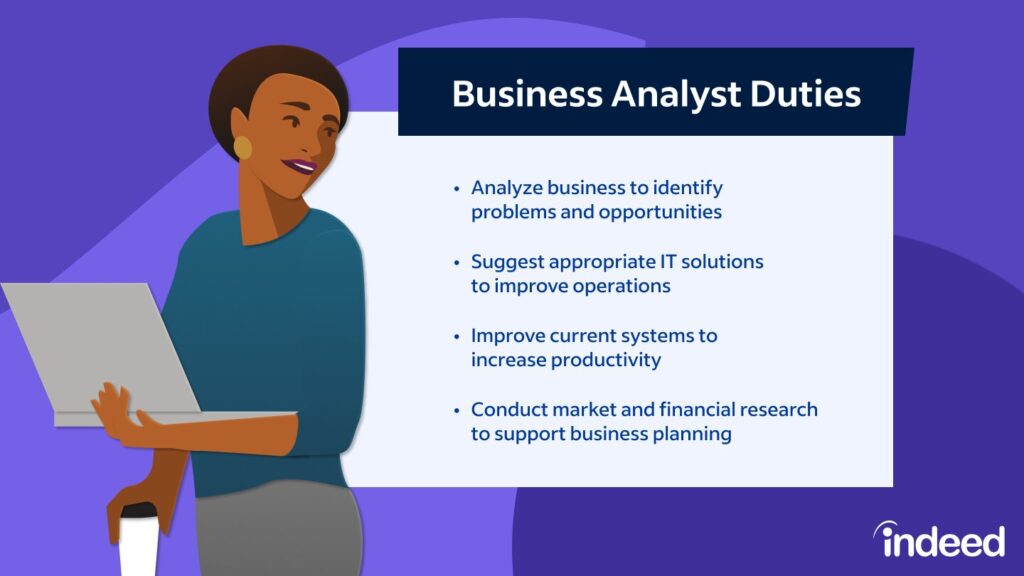
Business analysts bridge gaps between business needs and technology solutions. They gather requirements, map processes, analyze data, and recommend changes that drive real results.
A business analyst spends most days talking to stakeholders, reviewing data, and turning findings into clear recommendations. The role has shifted in 2026. AI now handles routine data crunching, so analysts focus more on strategy, validation, and stakeholder alignment.
That shift creates steady demand. Companies in finance, healthcare, tech, and retail keep hiring because data-driven decisions cut costs and spot growth faster than ever.
What a Business Analyst Actually Does Day to Day
You collect requirements from teams and you spot gaps in current processes. You build models using BPMN or UML. Then you present findings that help leaders decide.
The job differs from a data analyst, who focuses more on numbers, or a product owner, who owns the roadmap. Business analysts sit in the middle — they translate needs into actionable plans.
In 2026, the best job descriptions highlight AI tools for automation plus strong communication. Skip any posting that lists only basic Excel with no mention of stakeholder work or modern tools.
2026 Job Market Snapshot
Demand stays solid. AI reshapes tasks but does not shrink the headcount. Instead, it pushes analysts toward higher-value work like outcome measurement and cross-team coordination.
Remote and hybrid options appear in roughly half the listings on major boards. Finance and tech pay the highest averages. Healthcare follows closely because of compliance and patient-data projects.
The talent gap persists. Many organizations report difficulty filling mid-level spots because the skill mix keeps evolving.
Current Salaries Broken Down
Here is what the market actually pays in 2026:
- Entry level (0–2 years): $60,000–$75,000
- Mid level (3–5 years): $80,000–$100,000
- Senior level (6+ years): $110,000–$140,000+
Total pay includes bonuses that average $3,500. Locations matter. Coastal tech hubs and certain Midwest finance centers sit at the high end.
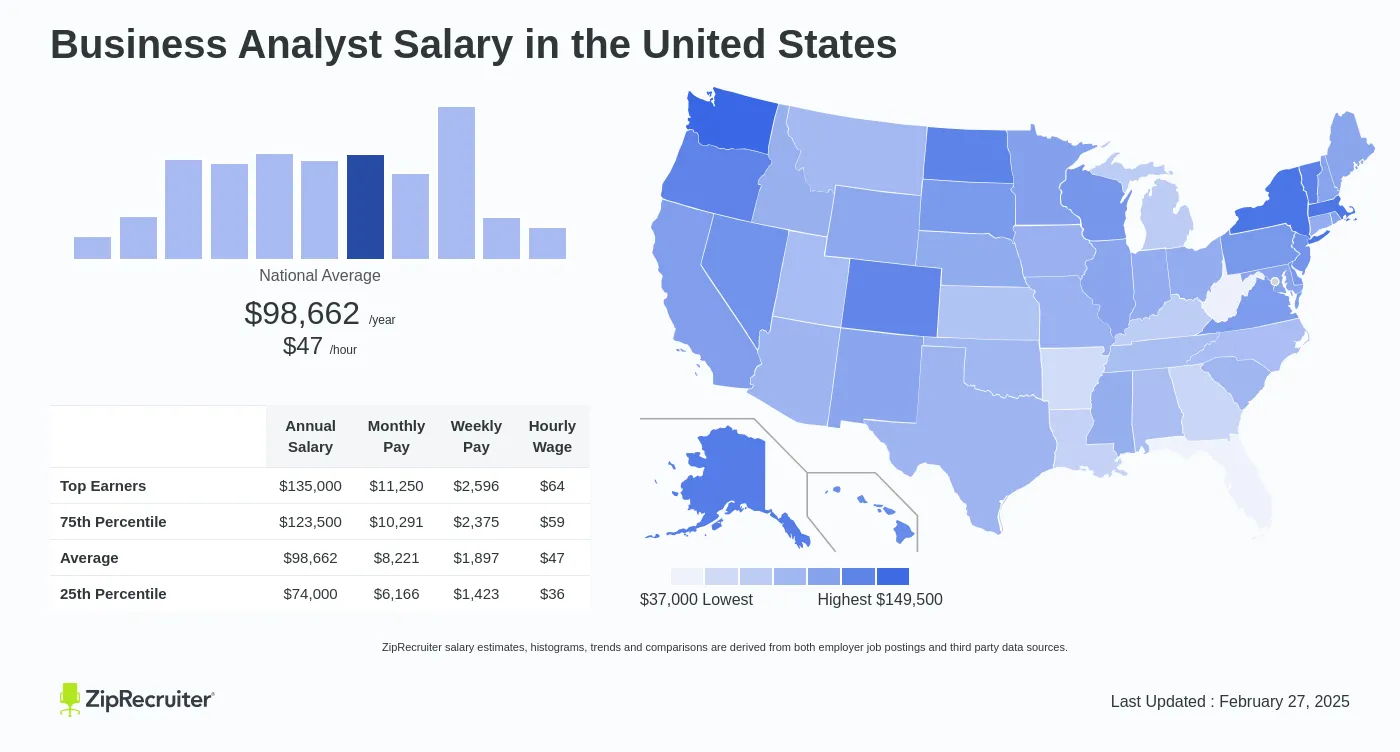
Business Analyst Salary: Hourly Rate April 2026 USA
Use these figures when you negotiate. Check Glassdoor or Indeed for your exact city and years of experience before any offer conversation.
Must-Have Skills Employers Want Right Now
Core skills have not changed much, but the emphasis has. Every strong resume shows:
- Requirements gathering and gap analysis
- Process modeling (BPMN/UML)
- SQL for data queries
- Power BI or Tableau for visuals
- Agile and Scrum frameworks
- Data storytelling to explain insights simply
- Basic AI and automation awareness
Soft skills still win interviews: stakeholder management, clear writing, and conflict resolution. Domain knowledge in your target industry gives you an edge.
List these on your resume with examples. “Improved reporting process with Power BI, cutting monthly review time by 40%” beats vague bullet points every time.
No Experience? Here Is Your Fast Track
A bachelor’s degree helps, but many employers now accept relevant certifications or projects instead. Top certifications in 2026 include ECBA for beginners, PMI-PBA for project focus, and CBAP for experienced pros. Microsoft PL-300 for Power BI also ranks high on job postings.
Build three portfolio pieces using public data sets. Document a process improvement, a requirements document, and a dashboard. Host them on GitHub or a simple personal site.
Start with contract roles or internal transfers. Many companies move strong performers from operations into analyst spots within 12–18 months.
Resume Fixes That Stop Auto-Rejection
ATS systems scan for exact keywords from the job post. Use them naturally. Quantify every bullet. “Led requirements sessions for 12 stakeholders” works better than “Attended meetings.”
Keep the resume to one page. Lead with a short summary that names your target role and top tools. Avoid generic phrases like “hard worker.”
Interview Questions You Will Face
Prepare for behavioral questions using the STAR method: Situation, Task, Action, Result. Common ones include “Tell me about a difficult stakeholder” and “How do you handle conflicting requirements?”
Technical questions now test SQL basics and dashboard walkthroughs. Expect at least one scenario on AI-assisted analysis. Practice explaining your process out loud.
30-Day Plan to Move Forward
Week 1: Audit your skills against five job postings. Update your LinkedIn and resume, Week 2, Apply to 10 roles per day on LinkedIn, Indeed, and company sites, Week 3 Send three connection requests daily with a short note, Week 4, Schedule practice interviews and follow up on every application.
Track everything in a simple spreadsheet. Consistency beats volume.
Next Steps in Your Career
Once you land the role, aim for senior within three to five years. From there, paths open to lead analyst, product owner, or analytics manager. Continuous learning keeps you ahead — one new tool or certification each year is enough.
Business analyst jobs reward clear thinking and steady execution. The data shows solid pay, steady openings, and room to grow. Start with the skills and actions above. You now have the exact map most job seekers miss.





[…] A Business Development Representative (BDR) is responsible for creating qualified sales opportunities through outbound and inbound lead engagement. The role sits at the top of the sales funnel and focuses on one outcome: booking meetings that convert into revenue pipelines. […]
[…] operations are the systems, processes, people, and technologies that keep a company functioning daily. They affect inventory management, customer support, payroll, […]