
If you’re choosing between a dinner suit and a business suit, the decision usually comes down to one factor: the event’s dress code. A dinner suit is built for formal evening occasions with strict styling rules. A business suit is designed for professional environments with flexibility. Mixing them up leads to being either overdressed or underdressed—both noticeable mistakes.
Here’s the direct distinction.
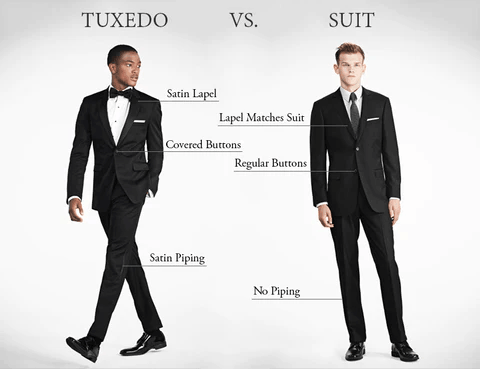
A dinner suit (tuxedo) is worn at black tie events, typically after 6 PM, with satin details and a bow tie. A business suit is worn for work and formal daytime settings, with standard fabrics and a necktie.
This difference sounds simple. But in real situations—weddings, corporate events, networking dinners—it becomes less obvious. That’s where most people get it wrong. Let’s break it down properly.
What Is a Dinner Suit?
A dinner suit is the UK term for what’s widely known as a tuxedo. It is formal evening wear, not general formalwear.
Key features are specific and non-negotiable:
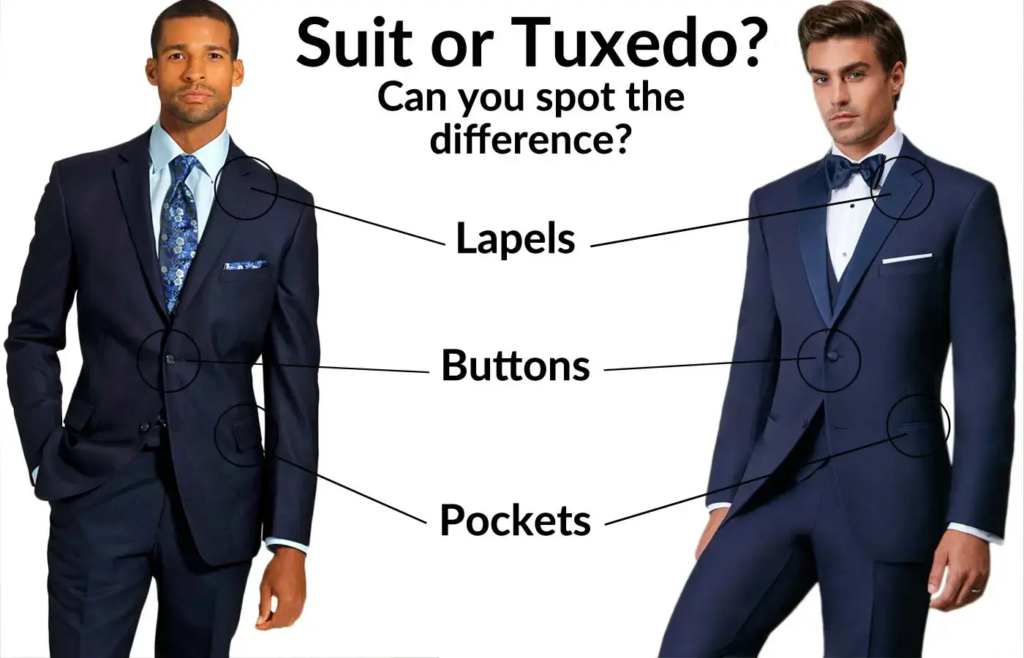
- Satin or silk lapels (shawl or peak)
- Matching trousers with a satin stripe
- Crisp white dress shirt (often with pleats or studs)
- Black bow tie (not a regular tie)
- Patent leather or highly polished shoes
It’s worn only at formal evening events such as weddings with a black tie dress code, galas, and formal dinners. According to dress code guidelines documented in Black tie, black tie attire has remained consistent for decades with minimal variation.
What matters here is context. A dinner suit is not about looking “sharp.” It’s about following a specific uniform.
What Is a Business Suit?
A business suit is designed for professional use. It balances formality with practicality.
Core components include:
- Standard lapels (no satin)
- Matching or slightly varied trousers
- Dress shirt (usually plain or lightly patterned)
- Necktie (optional in modern offices)
- Leather shoes (Oxford or Derby)
It’s used in offices, interviews, conferences, and client meetings. Unlike dinner suits, business suits allow variation in color—navy, charcoal, and gray dominate.
Here’s the key transition: while dinner suits follow strict rules, business suits adapt to different professional settings. That flexibility is why most people own one.
Key Differences That Actually Matter
Understanding the differences at a surface level isn’t enough. The real value comes from knowing how each element affects your appearance in context.
Fabric and Finish
Dinner suits use satin detailing. This adds contrast under evening lighting.
Business suits use matte fabrics for daytime practicality.
Shirt and Tie Rules
Dinner suit: bow tie only. A regular tie breaks the dress code.
Business suit: necktie is standard, but can be skipped depending on the setting.
Shoes
Dinner suit: patent leather or mirror-polished shoes.
Business suit: standard leather shoes, usually less glossy.
Time of Day
Dinner suit: evening only. Wearing it during the day looks out of place.
Business suit: daytime to early evening.
Formality Level
Dinner suit: ceremonial.
Business suit: professional.
This leads directly to the next question most people have—when exactly should you wear each?
When to Wear Each (Real Situations)
This is where most confusion happens.
Wedding Guest
- Black tie invitation → dinner suit required
- No dress code → business suit is safer
Job Interview
- Always business suit
- A dinner suit here signals poor judgment
Corporate Gala
- If labeled black tie → dinner suit
- If just “formal” → business suit works
Networking Events
- Business suit is almost always correct
- Dinner suit only if explicitly stated
A 2023 menswear retail survey showed that over 60% of men misinterpret “formal” as “black tie.” This leads to overdressing at standard business events.
Common Mistakes to Avoid
Mistakes stand out more than good choices. Here are the most frequent ones:
- Wearing a necktie with a dinner suit
- Using a dinner suit at office events
- Ignoring dress codes like “black tie optional”
- Mixing elements (tuxedo jacket with regular trousers)
Each mistake signals a lack of awareness, not just style.
Can You Substitute One for the Other?
Short answer: rarely.
A business suit at a black tie event will look underdressed.
A dinner suit at a business event will look excessive.
There are limited exceptions:
- A very dark business suit with a black tie can pass in “black tie optional” settings
- A dinner jacket without full tux styling might work at relaxed evening events
But these are edge cases. If the dress code is clear, follow it.
Style Flexibility Comparison
This is where the business suit wins.
- Worn with or without a tie
- Paired with different shirts
- Used across multiple events
A dinner suit is restricted:
- Always formal
- Always evening
- Limited styling changes
That’s why most wardrobes prioritize a business suit first.
Cost vs Value (Buying Decision)
If you’re deciding what to buy, think practically.
Dinner Suit
- Higher upfront cost
- Limited use
- Worth it only if attending multiple formal events yearly
Business Suit
- Used frequently
- Better return on investment
- Essential for most professionals
Rental is common for dinner suits. Industry data suggests that over 70% of first-time tuxedo users rent instead of buying.
Quick Decision Guide
Choose a dinner suit if:
- The event says “black tie”
- It’s a formal evening occasion
- The dress code is strict
Choose a business suit if:
- It’s work-related
- The event is during the day
- The dress code is unclear
If unsure, a well-fitted dark business suit is the safer option.
Visual Comparison
Left: Dinner suit with satin lapels and bow tie
Right: Business suit with standard lapels and necktie
FAQ (Straight Answers)
Is a dinner suit the same as a tuxedo?
Yes. “Dinner suit” is the British term.
Can I wear a business suit to a black tie event?
Only if it says “black tie optional,” otherwise no.
Can I wear a dinner suit without a bow tie?
Technically possible, but incorrect by traditional standards.
Which is more versatile?
Business suit, by a wide margin.
What colors are appropriate?
Dinner suit: black or midnight blue
Business suit: navy, gray, charcoal
Final Verdict
The difference between a dinner suit and a business suit is not subtle. It’s structural, contextual, and rule-based.
A dinner suit follows strict formal standards for evening wear. A business suit adapts to professional environments.
Choosing correctly is less about style preference and more about understanding the setting. Once that’s clear, the decision becomes straightforward.