
The eSIM market is changing faster than most mobile users realize. In 2026, more carriers are removing physical SIM requirements, travel eSIM providers are competing aggressively on pricing, and smartphone brands are pushing users toward fully digital activation systems.
For travelers, remote workers, and business users, these changes directly affect roaming costs, activation reliability, network quality, and device compatibility. Many users searching for “eSIM news” are not looking for definitions anymore. They want practical updates that affect real-world usage.
According to the GSMA, billions of eSIM-capable devices are expected to remain active globally as telecom operators expand remote provisioning systems. This growth is being driven by premium smartphones, connected laptops, wearables, automotive systems, and international travel services.
Before discussing long-term predictions, it is more useful to look at what is actually changing right now in the eSIM industry and why users are paying attention.
What Is Happening in the eSIM Market Right Now?
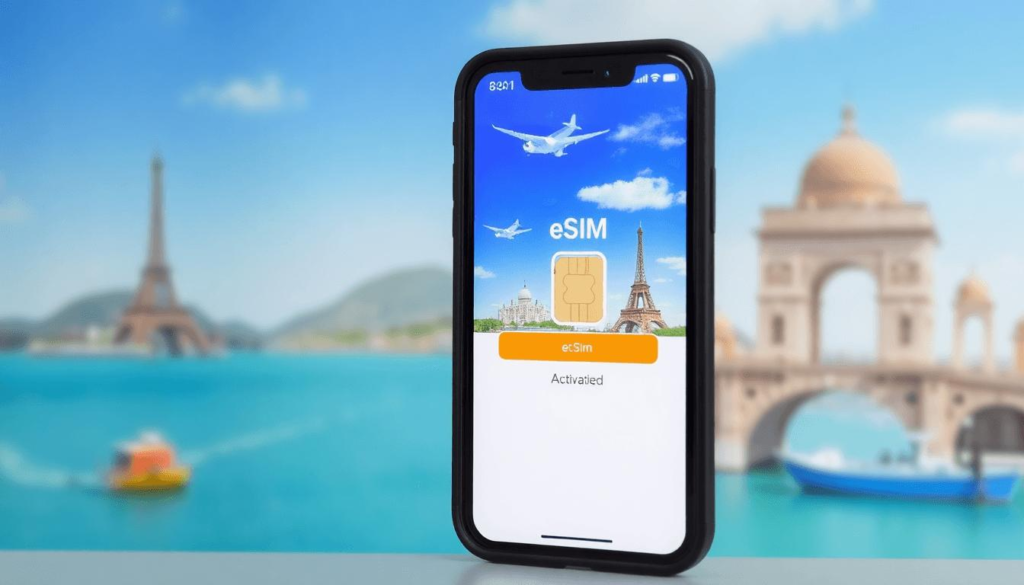
Travel eSIM providers have become one of the fastest-growing parts of the telecom industry. Services like Airalo, Holafly, and Nomad are competing heavily on activation speed, regional coverage, and unlimited data packages.
At the same time, major carriers in the United States, Europe, and Asia are simplifying eSIM activation. Many networks now allow direct app-based activation instead of manual QR code scanning.
This matters because QR code failures remain one of the most common support complaints among users switching devices or resetting phones.
Another important shift is the rise of eSIM-only hardware. Some versions of the Apple iPhone sold in the United States no longer include a physical SIM tray. That decision forced carriers and consumers to adapt faster than expected.
The market is also becoming more regional. Instead of offering one expensive global package, providers are now focusing on:
- Europe-only plans
- Asia travel bundles
- Middle East regional data packs
- Digital nomad subscriptions
- Long-validity eSIM packages
These changes are reducing roaming costs for frequent travelers. However, pricing transparency is still inconsistent across providers.
Latest eSIM News Affecting Users
Carriers Expanding eSIM Support
More telecom operators now support instant eSIM transfers between devices. This became important after users reported problems restoring eSIM profiles during phone upgrades.
Several carriers also introduced self-service eSIM recovery systems. Previously, users often needed to visit a store physically after losing a device.
This shift improves convenience, but compatibility still varies by region and device manufacturer.
Travel eSIM Competition Is Lowering Prices

Competition between providers has reduced the average cost per GB in several regions.
Europe remains one of the cheapest areas for travel eSIM data due to strong network competition. In contrast, remote islands and some African regions still have higher pricing because providers rely on expensive roaming partnerships.
Some providers now advertise “unlimited” plans aggressively. However, many of these plans apply fair usage limits or speed throttling after certain thresholds.
That detail is often hidden deep inside terms and conditions.
Device & Technology Updates
New flagship devices from Samsung, Google Pixel, and Apple continue expanding multi-eSIM support.
Modern smartphones can now:
- Store multiple eSIM profiles
- Switch carriers without physical SIM swaps
- Run dual active SIM configurations
- Support enterprise remote provisioning
This technology is based on standards managed by the GSMA eSIM Specifications.
The broader concept of embedded SIM technology is also covered on Wikipedia’s eSIM page, which explains how remote SIM provisioning works across devices.
As hardware improves, user expectations are also increasing. That creates pressure on providers to improve activation stability and support quality.
Biggest Problems Users Still Face With eSIMs
Activation Failures
Despite industry growth, activation issues remain common.
The most reported problems include:
- “Cannot Add eSIM” errors
- Expired QR codes
- Device region incompatibility
- Failed transfers after factory resets
- Carrier lock conflicts
These issues are especially common when users buy international devices from unofficial sellers.
Some smartphones technically support eSIM hardware but disable it regionally through software restrictions.
Coverage Complaints
Many users assume all eSIM providers operate their own networks. In reality, most travel eSIM services partner with local carriers.
That means network quality depends heavily on:
- Local telecom agreements
- Priority access rules
- Roaming partnerships
- Traffic routing systems
Two providers may advertise coverage in the same country while delivering completely different speeds.
This is why experienced travelers increasingly compare underlying carrier partnerships instead of just pricing.
Refund & Support Concerns
Refund policies remain inconsistent across the industry.
Some providers offer instant refunds for unused plans. Others deny refunds once activation starts, even if the user never connects successfully.
Support quality also varies significantly. Response times during holidays and peak travel seasons often become a major complaint in user reviews.
Privacy & Security Concerns Around eSIMs
Privacy discussions around eSIM services have increased recently.
Users are paying more attention to:
- Traffic routing locations
- Data logging policies
- Third-party roaming partners
- Identity verification requirements
Some providers route internet traffic through foreign servers to reduce operational costs. This can affect latency, streaming quality, and privacy expectations.
For remote workers and business travelers, these details matter more than marketing slogans.
Security experts also note that eSIM technology itself is not inherently less secure than physical SIM cards. Most security risks come from account recovery systems, phishing attacks, or weak carrier authentication procedures.
eSIM vs Physical SIM in 2026
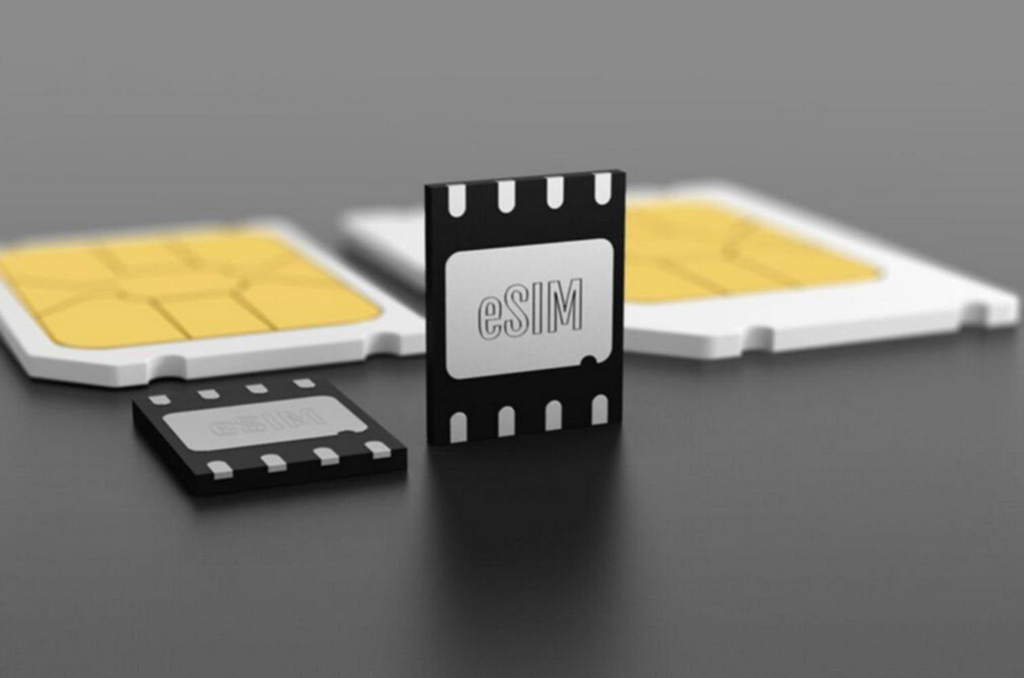
Physical SIM cards are still widely used globally, especially in developing regions.
However, manufacturers are clearly moving toward digital provisioning systems because eSIM technology:
- Reduces hardware space inside devices
- Simplifies carrier switching
- Supports remote enterprise management
- Improves manufacturing efficiency
Still, physical SIM cards continue offering practical advantages:
- Easier device swapping
- Better compatibility in some regions
- Simpler troubleshooting
- Less dependence on carrier apps
This means the transition to fully eSIM-only devices will likely remain gradual outside premium smartphone markets.
How to Choose an eSIM Based on Current Industry Changes
For short trips, regional eSIM plans often provide better value than global packages.
For long-term travelers, network quality and support responsiveness matter more than the lowest advertised price.
Before purchasing an eSIM, users should verify:
- Supported devices
- Underlying network partners
- Speed limitations
- Hotspot support
- Refund conditions
- Validity duration
Experienced users also keep a backup connection method when traveling internationally.
That backup may include:
- A secondary eSIM
- Local physical SIM access
- Offline maps
- Wi-Fi calling support
These precautions reduce connectivity risks during network outages or activation failures.
Final Thoughts
The eSIM industry in 2026 is no longer just about replacing physical SIM cards. The focus has shifted toward activation reliability, carrier flexibility, global roaming efficiency, and remote device management.
Competition among providers is improving pricing, but users still need to evaluate network quality, support standards, and policy transparency carefully.
The biggest trend right now is not simply eSIM adoption. It is the move toward fully digital mobile connectivity ecosystems where devices, carriers, and travel services operate with minimal physical infrastructure.
For users, that creates more flexibility. It also makes provider selection more important than ever before.

6