
What You Actually Get in Japan Airlines Business Class (Quick Snapshot)

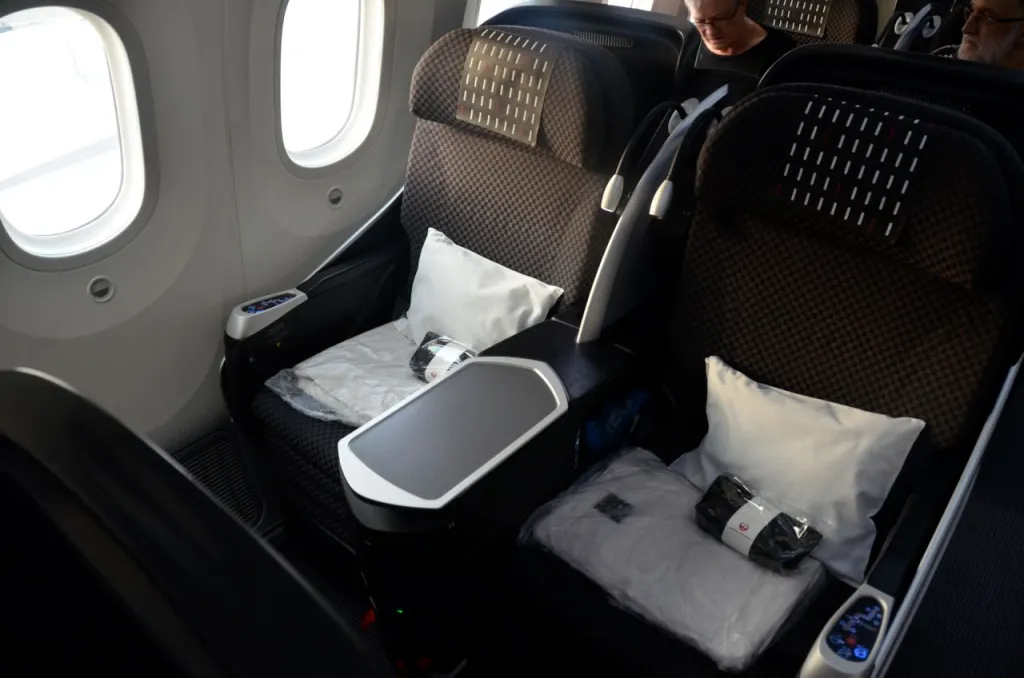
Japan Airlines (JAL) business class is built around full-flat seats on long-haul routes, direct aisle access on newer aircraft, and highly consistent service. The flagship Sky Suite seat (1-2-1 layout) is available on most intercontinental routes, while some regional and older aircraft still use angled or staggered seats.
Seat pitch in Sky Suite cabins reaches 78–82 inches, with bed width around 25–26 inches. On long-haul flights (10+ hours), this difference directly impacts sleep quality. JAL’s on-time performance also matters—recent industry data shows Japanese carriers often exceed 85–90% punctuality rates, reducing missed connections risk.
But here’s the key: your experience depends heavily on the aircraft type, not just the ticket class. That’s where most travelers make mistakes—so let’s break it down.
Seat Types Explained (Critical Before Booking)
Sky Suite (Flagship Product)
This is the product most travelers are aiming for. It features a reverse herringbone 1-2-1 configuration, meaning every passenger gets direct aisle access.
- Fully flat bed with strong privacy panels
- Large personal screen (typically 23 inches)
- Best for overnight long-haul flights
Window seats offer the most privacy, especially for solo travelers. Middle seats are better suited for couples due to adjustable partitions.
➡️ If your route offers Sky Suite, booking becomes a straightforward decision. If not, the value equation changes.
Shell Flat Neo / Skyluxe (Older Cabins)
These are still in rotation on select aircraft.
- Angled or less spacious flat seats
- Limited privacy
- Smaller screens and storage
These seats are noticeably less competitive compared to airlines like Singapore Airlines or Qatar Airways. However, for shorter flights (under 6 hours), the difference becomes less critical.
➡️ This creates a decision point: is the price difference worth the downgrade?
How to Check Your Aircraft Before Booking
Most booking platforms show aircraft type, but you need to verify seat layout using tools like seat maps.
Look specifically for:
- 1-2-1 layout = Sky Suite
- 2-2-2 layout = older product
Aircraft swaps happen, especially on seasonal routes. This risk is higher on non-core routes, so flexibility matters.
Routes & Aircraft: Where You’ll Get the Best Experience
JAL prioritizes its newest business class cabins on high-demand routes.
Best routes for Sky Suite:
- Tokyo (Haneda/Narita) ↔ New York, Los Angeles, London
- Tokyo ↔ Paris, Frankfurt
Mixed or older cabins more likely on:
- Southeast Asia routes
- Domestic or regional flights
Haneda Airport tends to offer a better overall experience than Narita due to shorter transit times.
➡️ If your goal is comfort, route selection matters as much as seat selection.
Pricing Breakdown (Cash vs Miles)
Average Ticket Prices
- US to Japan: $2,500–$5,500 round trip
- Europe to Japan: $2,800–$5,000
- Asia regional: $800–$1,800
Prices fluctuate heavily based on season and demand.
Using Miles (High ROI Strategy)
JAL is part of the oneworld alliance, allowing redemptions through partners like American Airlines.
Typical redemption ranges:
- US–Japan: 60,000–80,000 miles one way
- Europe–Japan: 75,000–90,000 miles
Taxes are usually moderate compared to European carriers.
➡️ This is where JAL becomes highly competitive—mile redemptions often deliver better value than cash tickets.
When Business Class Is Worth It
Business class becomes practical when:
- Flight duration exceeds 8–10 hours
- Price difference vs economy is under 2–2.5x
- You need rest before business or tight schedules
Short-haul upgrades rarely justify the cost.
Seat Selection Strategy (Maximize Comfort)
- Solo travelers: Window seats in Sky Suite
- Couples: Middle seats with divider
- Avoid: Seats near galleys and lavatories
Noise and foot traffic can disrupt sleep, especially on overnight flights.
➡️ Seat choice can improve or ruin the experience—even in business class.
Onboard Experience: What Stands Out (and What Doesn’t)
Food & Dining
JAL offers both Japanese and Western menus. The Japanese option is typically more refined.
Meals are designed in collaboration with chefs, and presentation is consistent. However, portion sizes are sometimes smaller than Middle Eastern carriers.
Service Quality
JAL is known for structured, precise service.
- Fast response times
- Consistent cabin crew behavior
- Less personalization compared to some competitors
This reliability is a defining feature of Japanese hospitality culture.
For more context on Japan’s service culture, see this overview on
Japanese hospitality
Entertainment & WiFi
- Screen quality is solid but not industry-leading
- Content selection is adequate, not extensive
- WiFi is available but can be inconsistent on long-haul flights
➡️ This is one area where competitors like Emirates or Singapore Airlines perform better.
Lounge Access: What You Actually Get
JAL operates premium lounges at Tokyo hubs:
- Haneda: More modern, less crowded
- Narita: Larger but can get busy
Features include:
- Japanese hot meals
- Shower facilities
- Quiet seating areas
Partner lounges vary in quality outside Japan.
Baggage, Check-in & Ground Experience
- Checked baggage: Typically 2 × 32kg
- Priority check-in and boarding
- Efficient ground handling
Security and boarding processes are usually faster than global averages.
Japan Airlines vs Competitors (Decision Section)
JAL vs ANA
- JAL: More consistent service
- ANA: More modern seat innovation
JAL vs Qatar / Singapore Airlines
- JAL: Better punctuality, reliability
- Competitors: Better luxury, privacy, innovation
➡️ JAL focuses on consistency, not luxury extremes.
Real Pros & Cons (No Marketing Spin)
Pros
- Reliable service quality
- Comfortable Sky Suite seats
- Strong operational performance
Cons
- Older cabins still in use
- Limited innovation
- Average WiFi and entertainment
Who Should Book Japan Airlines Business Class?
Best suited for:
- Long-haul travelers prioritizing sleep
- Business travelers needing reliability
- Travelers using miles for high-value redemptions
Less suitable for:
- Short-haul flights
- Travelers seeking ultra-luxury experiences
Booking Tips That Save Money & Improve Experience
- Book 2–4 months in advance for best pricing
- Check aircraft type before confirming
- Use mileage programs for long-haul routes
- Monitor fare drops using alerts
➡️ Small adjustments in booking strategy can significantly improve value.
FAQs
Is Japan Airlines business class worth it?
Yes, especially on long-haul flights with Sky Suite seats.
Do all seats lie flat?
No. Only newer configurations offer full-flat beds.
Which routes have Sky Suite?
Primarily US and Europe long-haul routes.
Can you upgrade after booking?
Yes, subject to availability and fare class.
Final Insight
Japan Airlines business class is not the most luxurious product in the market. But it delivers where it matters—sleep quality, reliability, and service consistency.
For travelers who prioritize function over flash, it remains one of the most dependable options on long-haul routes.