
A wrench turns nuts and bolts. Choose the wrong size or type and you round the fastener in seconds. Mechanics see this error in over half of failed DIY repairs.
Chrome vanadium steel wrenches handle real torque without bending. Drop-forged versions last years longer than stamped steel. SAE sizes fit older American equipment. Metric sizes cover 80% of cars built since the 1980s.
Open-end jaws slip under high torque. Box-end jaws grip all six sides and cut slip risk. Adjustable wrenches fit odd sizes but loosen if you push instead of pull. Pipe wrenches bite into rounded pipes but crush soft fittings.
These basics decide whether your next repair takes five minutes or ruins the part.
:max_bytes(150000):strip_icc()/SPR-types-of-wrenches-6831283-hero-H-B_13651-12b52242ef914372808d60f7fa83ab86.jpg)
25 Types of Wrenches and How to Choose
Wrench Basics: Materials, Sizes and SAE vs Metric
Drop-forged chrome vanadium steel resists wear. It holds up to repeated 150-foot-pound loads without rounding. Cheap stamped versions bend after a few uses.
SAE sizes run in fractions like 1/2 inch or 9/16 inch. Metric uses millimeters like 10 mm or 13 mm. Most imported cars and appliances need metric. Keep both sets if you work on mixed equipment.
Jaw styles matter. Six-point box ends give maximum grip on hex nuts. Twelve-point versions turn faster but slip easier on worn fasteners. Test fit in store: the wrench should click on snug without play.
12 Essential Wrench Types and Exact Uses
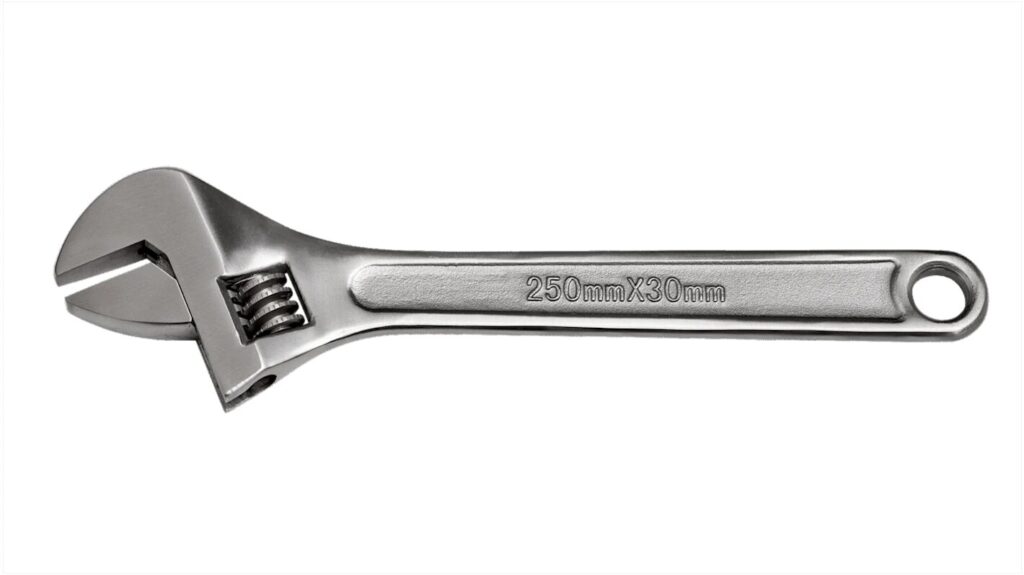
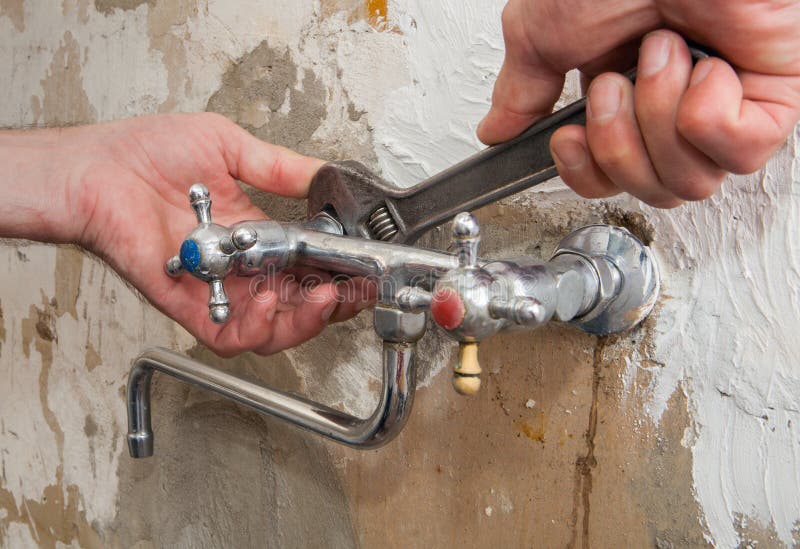
Adjustable wrench slides to fit any size. Use it for light jobs and plumbing. Turn the screw until jaws sit flat. Never use on high-torque bolts or it rounds corners.
Combination wrench pairs open-end and box-end on one tool. Flip it for tight spots or extra grip. Pros reach for these first on daily jobs.
Open-end wrench slides onto fasteners in tight spaces. Angle it 15 degrees to avoid rounding. Pull toward the open side for safety.
Box-end wrench encloses the nut completely. Six-point versions work best on rusty or high-torque fasteners.
Ratcheting combination wrench clicks forward without removal. Ideal inside engine bays where sockets won’t fit.
Pipe wrench (Stillson) grips rounded pipes with teeth. Adjust jaws so the bite tightens under pull. Limit use to plumbing only.
Basin wrench reaches under sinks for faucet nuts. Its pivoting head fits awkward angles most tools miss.
Flare-nut wrench (line wrench) cradles soft tubing without crushing. Brake lines and fuel fittings stay intact.
Crowfoot wrench works where sockets have no room. Pair it with an extension for deep engine work.
Torque wrench clicks or beams at exact specs. Wheel lugs need 80-100 foot-pounds. Cylinder heads often call for 50-70 foot-pounds. Calibrate every 5,000 uses or once a year.
Strap wrench grips oil filters or polished pipes without marks. Wrap the strap tight and pull.
Specialty options like Allen, Torx or lug wrenches solve one-off jobs fast.
Wrench vs Sockets and Ratchets
Sockets deliver higher torque in open space. Wrenches win in tight spots or when you need quick flips.
Use a wrench first on stuck fasteners. Switch to ratchet once it turns freely. This sequence saves time and parts.
7 Deadly Wrench Mistakes and Fast Fixes
- Wrong size rounds corners. Fix: file flats or use a slightly larger wrench with a shim.
- Pushing the handle risks skinned knuckles. Always pull toward your body.
- Adjustable wrench on high-torque jobs slips. Grab a fixed-size combination instead.
- Ignoring pipe thread direction cracks fittings. Righty-tighty still applies but check for reverse threads on some drains.
- Skipping torque wrench over-tightens and strips threads. One click prevents this.
- Dirty jaws lose grip. Wipe with a rag and light oil after every job.
- Damp storage rusts jaws. Hang them or use a dry toolbox liner.
Replace an Kitchen Water Faucet, Hands Plumber with Adjustable Stock Image – Image of repairman, service: 76336627
Wrench Buying Guide That Saves Money Long-Term
Start with a 12-piece combination set in chrome vanadium. Add one quality 8-12 inch adjustable wrench.
Budget under $30 gets basic steel that works for occasional jobs. $50-80 buys lifetime-warranty sets from brands like Tekton or GearWrench. Over $100 adds ratcheting and torque options pros swear by.
Check for laser-etched sizes and smooth jaw action. Avoid Amazon listings with blurry photos or no warranty details.
Buy the combination set first. It covers 90% of home and auto tasks without gaps.
Maintenance and Longevity Hacks
Clean jaws with a wire brush and light machine oil after use. Store in a dry pouch or wall rack.
Torque wrenches need yearly calibration. Most shops charge under $20.
Inspect for cracks or rounded jaws every six months. Retire any wrench that no longer fits snug.
Safety Tips That Prevent Injuries
Wear gloves with grip. Position your body so a slip moves away from you. Never use a cheater pipe on a wrench.
For stuck fasteners, apply penetrating oil, wait 10 minutes, then work the wrench back and forth. Heat or impact tools come only after wrench methods fail.
FAQs
What is the difference between a wrench and a spanner? Same tool. “Wrench” is common in the US; “spanner” is used in the UK and Australia. See the full wrench Wikipedia entry for history.
Can an adjustable wrench replace a socket set? For light jobs yes. High-torque or frequent use needs sockets for speed and grip.
How do I remove a rounded bolt with just a wrench? File two flats, use a larger wrench, or grip with vise-grips. A flare-nut wrench sometimes saves the day.
Best wrench set for beginners? Twelve-piece metric and SAE combination set plus one 10-inch adjustable. Total cost around $60.
Why does my wrench keep slipping? Wrong size, dirty jaws, or pushing instead of pulling. Check fit first.
A good wrench matches the job, fits snug, and gets put away clean. Follow these steps and you will spend less time fixing mistakes and more time finishing projects.