



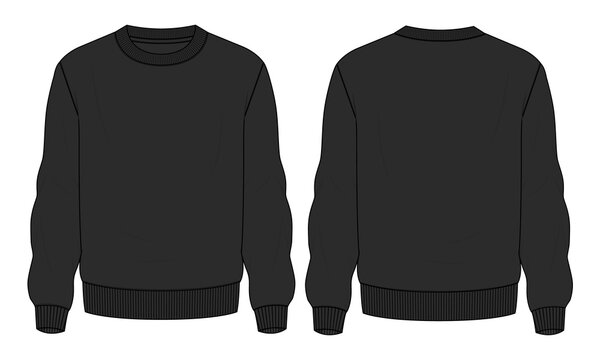

Sweaters rank among the most practical garments for everyday wear. They handle temperature swings, add layers without weight, and work across seasons. Yet many buyers face the same issues: pilling after a few wears, poor fit that leads to returns, and fabrics that itch or stretch out of shape.
The global sweaters market stood at $45.6 billion in 2025. It is projected to reach $74.5 billion by 2034, growing at a 5.6% CAGR. This growth shows people seek durable options that deliver real value instead of one-season items.
A sweater is a knitted garment worn over the upper body for warmth and comfort.
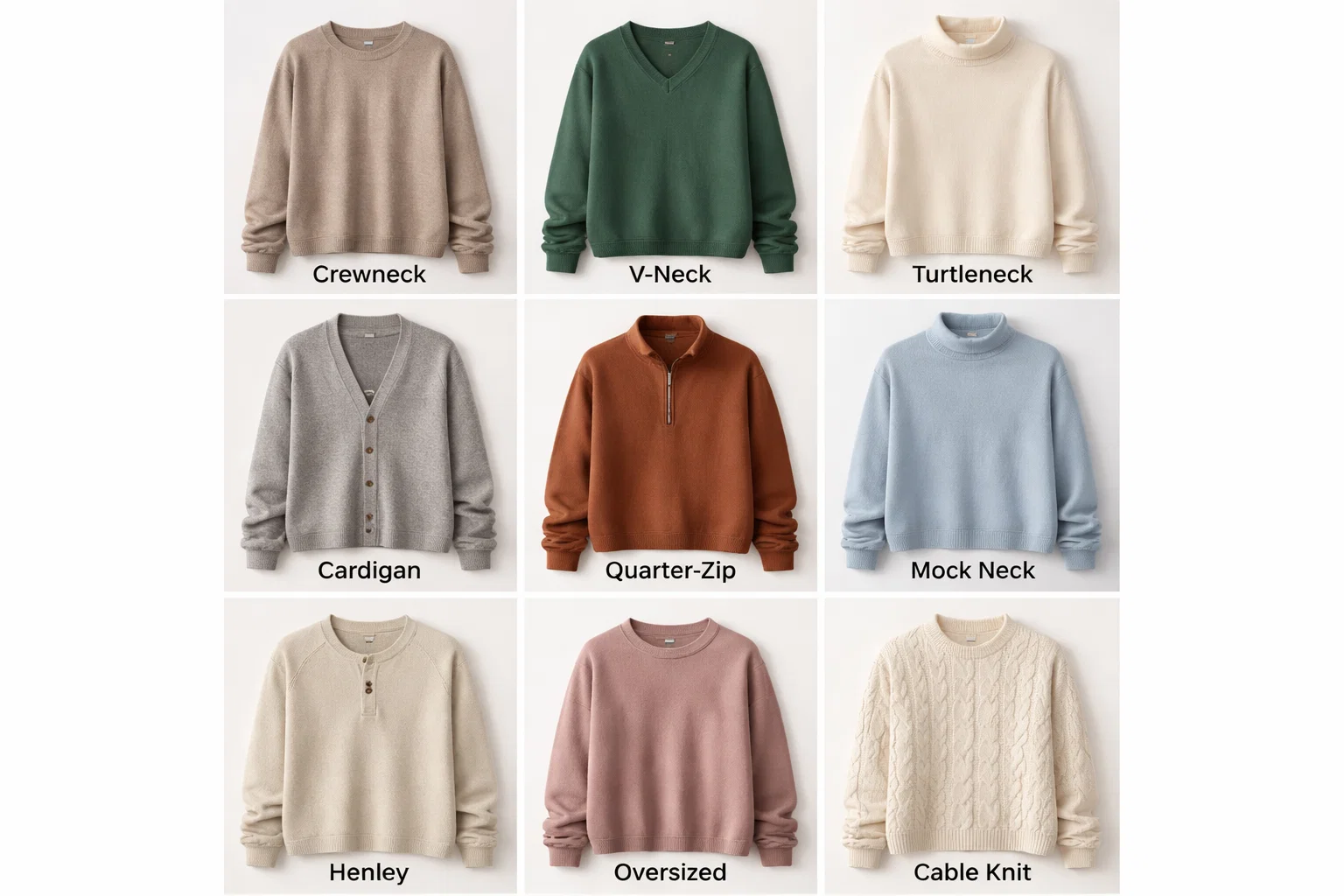
50 Types of Sweaters with Names and Pictures
This guide walks you through exact types, materials that last, fit rules, styling formulas, and care steps that prevent common failures. Each section gives you the information you need to make better choices and keep your sweaters wearable for years.
People Also Read : Carnations: Meaning, Types, Growing & Care Guide 2026
9 Types of Sweaters and When to Wear Each
Crewneck sweaters serve as the everyday baseline. They pair with jeans for casual days or under a blazer for the office. The round neck sits flat and avoids bunching under collars.
V-neck sweaters create a longer torso line. They suit broad shoulders and layer cleanly over button-down shirts. Choose a slim fit to prevent gaping at the chest.
Turtlenecks and mock necks block wind in cold weather. The full neck adds insulation without a scarf. Mock necks stop just below the chin and avoid the tight squeeze some turtlenecks create.
Cardigans offer flexible layering. Button them fully for structure or leave open for relaxed looks. They adjust easily when indoor and outdoor temperatures differ.
Sweater vests bring a polished touch to business casual. Wear them over a collared shirt for added warmth without sleeves getting in the way.
Oversized sweaters work when you follow length rules. Keep the hem at mid-hip so the shape stays balanced. Pair with fitted bottoms to avoid a sloppy silhouette.
Hoodie-style sweaters blend comfort with structure. They upgrade basic sweatshirts without the athletic vibe. Look for ribbed cuffs that hold shape.
Tunic sweaters solve fit issues around the hips. The longer hem covers curves without clinging. They pair well with leggings or straight pants.
Cropped sweaters and boleros stay flattering on taller frames. They shorten the torso visually, so shorter users should check hem length first.
Use this quick match: office days favor V-necks or vests, cold commutes need turtlenecks, weekend errands suit crewnecks or cardigans.
Sweater Materials Compared: Choose Once and Wear Longer
Material choice determines how long a sweater lasts and how it feels.
Merino wool offers warmth without bulk. It resists odor and pills less than standard wool. A mid-weight merino sweater keeps you comfortable from 40°F to 65°F.
Cashmere delivers softness but needs careful handling. Higher-grade cashmere (15 microns or finer) lasts longer than lower grades. It costs more yet holds up better than many blends when washed properly.
Cotton and cotton blends breathe well for spring and fall. They resist pilling better than acrylic but absorb moisture, so they dry slower in humid climates.
Acrylic and synthetic blends keep prices low. They pill faster under friction at elbows and underarms. Reserve them for occasional wear rather than daily use.
Alpaca and mohair blends add lightweight warmth. They feel less itchy than regular wool and work well for sensitive skin.
Sustainable options include recycled wool and organic cotton. These maintain quality while reducing environmental impact. Check fiber content labels for at least 70% natural fiber for best durability.
How to Choose a Sweater That Fits Without Returns
Sizing charts vary by brand. Measure your chest at the widest point and compare to the garment’s listed dimensions. Add 2–4 inches for layering room.
Petite frames look balanced in shorter lengths that hit the top of the hip. Tall users gain proportion with longer sleeves and hems.
Apple-shaped bodies benefit from V-necks that draw the eye upward. Pear-shaped bodies choose A-line or tunic styles that skim the hips.
Thickness matters. Lightweight knits (under 300 GSM) layer easily under jackets. Chunky knits (over 500 GSM) stand alone in winter but add bulk if you run warm.
Test the neckline in a mirror. Crewnecks sit evenly, V-necks open the chest, turtlenecks should not gap or choke.
Sweater Styling Formulas for Real Life
Start simple: dark jeans plus a crewneck creates an instant put-together look. Add leather sneakers for polish.
Office outfits use a V-neck over a collared shirt with chinos. The combination stays professional without feeling stiff.
Evening upgrades pair a turtleneck with wide-leg trousers and loafers. The neckline adds structure to the silhouette.
Layer for transitions with the “sweater sandwich”: base tee, thin cardigan, outer jacket. It adjusts to any temperature shift in minutes.
Neutrals expand options. Navy, gray, and camel match almost any bottom. One accent color, such as burgundy or olive, adds interest without clashing.
Accessories lift basic sweaters. A leather belt cinches an oversized style. Simple hoop earrings or a scarf finish a cardigan.
Sweater Care Guide: Make Them Last 5 Years or More
Pilling happens when short fibers tangle from friction. It affects most acrylic and low-quality wool sweaters after repeated wear. A fabric shaver removes pills in under two minutes and restores the surface.

Pilled Sweaters? Here’s How To Remove And Prevent Pilling
Wash cold on a gentle cycle inside out. Use wool-specific detergent. Hot water shrinks natural fibers up to 10–15% in one cycle.
Air dry flat on a towel. Hanging stretches shoulders and sleeves permanently. Reshape while damp for proper fit.
Store folded in a cool, dry place. Mothballs or cedar blocks protect wool without chemicals. Avoid plastic bags that trap moisture.
Fix small holes with matching thread and a darning needle. Stretch cuffs recover with a quick steam and reshape.
Dry cleaning works for structured pieces but costs add up. Hand washing at home keeps most sweaters fresh longer.
Sweater Buying Guide: Spot Quality Before You Buy
Budget range ($20–50) often uses acrylic blends. Expect faster pilling and thinner fabric. These suit occasional use.
Mid-range ($50–150) delivers better construction. Look for tight, even stitches and reinforced seams.
Premium ($150+) invests in higher micron fibers and finer knitting. These pieces hold shape after dozens of washes.
Check seven points in person or online photos:
- Even tension with no loose threads
- Ribbed hems that spring back
- Labeled fiber content with percentage breakdown
- Shoulder seams aligned straight
- No visible pilling on display samples
- Consistent color across body and sleeves
- Return policy that covers fit issues
Second-hand platforms let you test premium brands at lower cost. Inspect for wear at high-friction areas first.
Common Sweater Problems and Direct Fixes
Pilling appears most on elbows and sides. Shave gently or use a pumice stone as backup.
Static builds in synthetics during dry winters. A light mist of water or fabric spray reduces it.
Odor lingers in natural fibers. Air them out overnight instead of rewashing.
Stretching at cuffs happens with heat. Reshape with steam and cool flat.
Bulkiness comes from wrong thickness. Switch to finer gauge knits for your build.
Running hot or cold is fixed by weight choice: lightweight merino for variable days, heavier wool for steady cold.
Final Checklist for Your Next Sweater Purchase
Match the type to your main activity. Pick material based on care time you can give. Measure against your body, not the size label. Plan two outfits before buying. Follow the care steps above from day one.
A well-chosen sweater becomes part of your regular rotation instead of closet clutter. Use the details here to buy smarter and keep every piece looking new longer.






[…] see 203 numbers on business cards, job applications, or caller ID every day. This Guide walks you through exact coverage, dialing rules, history, and how to get your own local number. No […]