

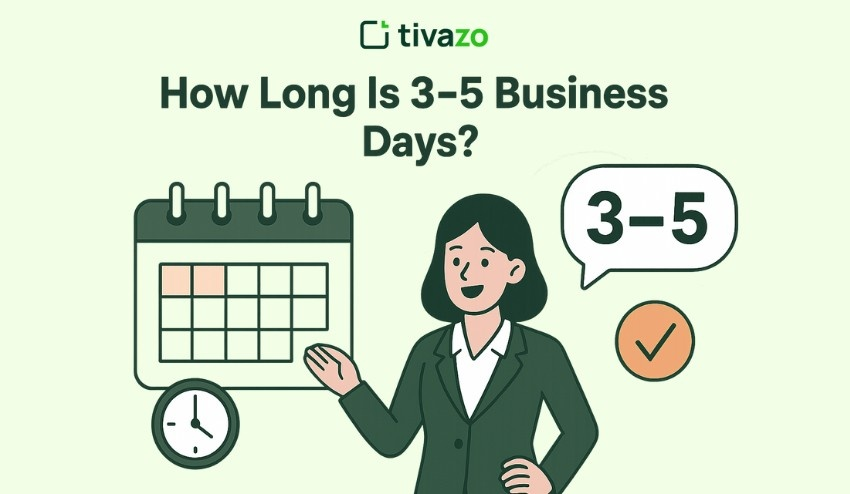
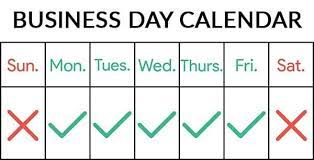
A business day typically means Monday to Friday, excluding public holidays, and it usually spans 8 to 9 working hours. In most cases, a business day runs from 9:00 AM to 5:00 PM, though this can vary by company or industry.
This matters because when a company says “processed in 1 business day” or “delivered in 5 business days,” they are not counting weekends or holidays. So timelines are often longer than people expect.
To make this practical:
- 1 business day = next working day (not 24 hours)
- 3 business days = about mid-week if starting Monday
- 5 business days = usually one full workweek
That’s the core answer. Now let’s break it down with real examples so you don’t miscalculate deadlines.
Featured Post : Local Businesses Near Me: Find Trusted Options Fast
What Is a Business Day? (Exact Meaning Across Contexts)
A business day is a standard working day when businesses operate. For most countries, that’s Monday to Friday.
According to definitions like those summarized on Wikipedia, a business day excludes weekends and recognized public holidays.
However, context matters:
- Banks: Strict business hours, often with early cut-offs
- Ecommerce: Warehouse processing schedules
- Freelancers/agencies: May follow flexible hours
So while the definition is consistent, the application changes slightly depending on the industry. This is where most confusion begins—and where users often make mistakes.
How Long Is a Business Day in Hours?
A business day is not 24 hours. It’s usually:
- 8 hours (standard workday)
- Sometimes 9 hours including breaks
Typical working window:
- 9:00 AM to 5:00 PM
- Or 10:00 AM to 6:00 PM
Here’s the key detail: cut-off times matter more than total hours.
For example:
If you place an order at 4:30 PM, and the company’s cut-off is 3:00 PM, your request starts processing next business day.
That’s why two people ordering on the same day can get different delivery timelines.
People Also Read : Dinner Suit vs Business Suit: Key Differences
How Long Is 1, 3, and 5 Business Days? (Real Scenarios)
This is where users need clarity. Let’s break it down step by step.
1 Business Day
- Order Monday → processed Tuesday
- Order Friday → processed Monday
It depends on timing and cut-off hours.
3 Business Days
Example:
- Start: Monday
- Day 1 → Tuesday
- Day 2 → Wednesday
- Day 3 → Thursday
Result: Thursday
How Long Is 5 Business Days?
This is the most searched scenario.
Example:
- Start: Monday
- Day 1 → Tuesday
- Day 2 → Wednesday
- Day 3 → Thursday
- Day 4 → Friday
- Day 5 → Monday (next week)
Result: 5 business days = 7 calendar days (including weekend gap)
If a public holiday falls in between, it extends further.
Business Days vs Calendar Days (Important Difference)
Many delays happen because users confuse these two.
| Type | Includes Weekends | Includes Holidays | Example |
|---|---|---|---|
| Business Days | ❌ No | ❌ No | Shipping timelines |
| Calendar Days | ✅ Yes | ✅ Yes | Subscription billing |
Key takeaway:
5 calendar days ≠ 5 business days
This difference can add 2–3 extra days to your timeline.
Latest in Business : Business Process Optimization: Cut costs, Improve Efficiency
How Weekends and Holidays Affect Business Days
Weekends are always excluded in standard business day calculations.
But holidays add another layer.
Examples:
- Eid holidays in Pakistan
- Christmas in Western countries
- National holidays in specific regions
If your service is international, delays increase because different countries observe different holidays.
This is why cross-border shipping often takes longer than expected. More on Wikipedia.
Business Day Cut-Off Times Explained
Cut-off times are one of the most overlooked factors.
Typical cut-offs:
- Banking: 2:00–4:00 PM
- Shipping: 12:00–3:00 PM
If you miss the cut-off:
➡️ Your request moves to the next business day
This can add an extra full day without you realizing it.
Editor's Pick : iPhone 18 Release Strategy: Timeline, Features & Pricing Overview
How to Calculate Business Days Accurately
Here’s a simple method:
- Start from the next working day
- Skip weekends
- Skip public holidays
- Count only working days
Quick Formula
Total days = Business days + weekend gaps + holidays
This method works for:
- Delivery estimates
- Payment processing
- Project deadlines
Real-Life Examples (Where This Actually Matters)
Let’s connect this to real scenarios.
1. Online Shopping
Most stores say “3–5 business days.”
This often turns into 5–7 actual days due to weekends.
2. Bank Transfers
Domestic transfers: 1 business day
International transfers: 3–5 business days
Delays happen if initiated after cut-off time.
3. Freelance Work
If a client gives a 5 business day deadline on Friday,
the real due date becomes next Friday—not Wednesday.
Tools and Tips to Avoid Miscalculations
To avoid mistakes:
- Always check cut-off times
- Confirm holiday schedules
- Add 2 buffer days for safety
- Use online business day calculators when deadlines are critical
A practical tip:
If something is urgent, assume extra delay instead of exact timing.
FAQs About Business Days
Does Saturday count as a business day?
No, in most countries Saturday is not a business day.
Are business days the same worldwide?
No. Some countries operate Sunday–Thursday workweeks.
What does “within 5 business days” mean?
It means the task will be completed anytime before the end of the 5th working day.
Do business days include working hours only?
Yes. Only official working hours count, not full 24-hour periods.
Final Insight
A business day is simple in definition but tricky in real use.
The biggest mistakes happen due to:
- Ignoring weekends
- Missing cut-off times
- Overlooking holidays
Once you factor these in, your timelines become accurate—and predictable.
That’s what most pages miss, and what actually helps in real decisions.