
The Quantum Leap reboot was officially cancelled after two seasons by NBC in 2024. The decision came after consistent declines in live ratings, modest streaming performance on Peacock, and rising production costs.
At its peak, the reboot averaged around 3.1 million viewers (Live+Same Day) in early episodes. By the end of Season 2, that number dropped closer to 1.8–2.0 million, making it difficult to justify renewal compared to competing network shows.
NBC did not shift the show to streaming-only, which signals that its total audience (broadcast + streaming) was not strong enough to offset costs. That decision effectively closed the door on a Season 3.
Now that the key facts are clear, the deeper question is why this reboot struggled despite a strong legacy. That’s where the real insights begin.
Why the Quantum Leap Reboot Was Cancelled
Declining Ratings Told the Full Story
The reboot started with curiosity-driven viewership. Nostalgia from the original Quantum Leap helped early numbers.
But the drop was steady, not sudden.
- Episode 1: ~3M+ viewers
- Mid Season 1: ~2.5M
- Season 2 later episodes: under 2M
This pattern shows retention issues, not just weak promotion. Viewers tried the show but didn’t stay.
And when retention drops, networks react quickly.
Streaming Performance Didn’t Compensate
NBC increasingly relies on Peacock to justify renewals.
However, the reboot never entered the platform’s top breakout streaming hits. It remained a mid-tier performer.
This matters because shows like sci-fi dramas usually survive cancellations if streaming numbers spike. That didn’t happen here.
So even if the show had a loyal audience, it wasn’t large enough across platforms.
Budget vs Return Became a Problem
Each episode required:
- Period-specific sets
- Visual effects for time jumps
- Large rotating casts
That pushed costs higher than standard network dramas.
When viewership declines but production costs remain fixed, cancellation becomes a financial decision—not just creative.
This is a pattern seen across recent sci-fi network shows.
Creative Direction and Audience Disconnect
After the core data, the next issue becomes clearer: the storytelling direction created friction with the audience.
The original series was episodic. Each leap told a contained story with emotional closure.
The reboot shifted toward serialized storytelling, with long arcs and ongoing mysteries.
For some viewers, this removed the simplicity that made the original engaging.
What Viewers Responded To (and What They Didn’t)
Positive reactions:
- Strong emotional moments in individual episodes
- Modern production quality
- Representation and diverse casting
Criticism included:
- Slow plot progression
- Over-complicated central mystery
- Reduced focus on “leap-of-the-week” storytelling
This mismatch affected retention more than initial interest.
Fan Reaction After Cancellation
When the cancellation was announced, fan reactions were mixed rather than explosive.
There were:
- Online petitions
- Social media campaigns
- Requests for streaming revival
But the scale was limited compared to successful fan campaigns like Lucifer or Brooklyn Nine-Nine.
That suggests something important:
The fanbase was engaged but not massive enough to influence network decisions.
How the Reboot Compared to the Original Series
The original Quantum Leap built its success on a simple formula:
- One leap
- One story
- One emotional resolution
The reboot added:
- A central conspiracy arc
- Ongoing team dynamics
- Multiple timeline layers
While this added depth, it also increased complexity.
For new viewers, it required commitment.
For old fans, it felt like a tonal shift.
Unresolved Plotlines After Cancellation
The cancellation left several storylines unfinished:
- The long-term consequences of Ben’s leaps
- The evolving timeline mechanics
- Character arcs tied to future events
Season 3 was expected to expand the mythology further.
Instead, viewers are left with partial answers.
This is one of the biggest frustrations among fans.
Could the Quantum Leap Reboot Return?
The chances of revival exist—but they are limited.
Streaming platforms like Netflix or Amazon sometimes revive cancelled shows. However, they typically choose:
- Shows with viral traction
- Strong global demand
- High completion rates
The reboot does not strongly meet those criteria.
That said, sci-fi franchises often return in new formats. A future reboot or spin-off is still possible.
Lessons From the Cancellation
The reboot highlights several patterns in modern TV:
- Nostalgia brings initial viewers—but not long-term retention
- Complex storytelling can reduce accessibility
- Streaming numbers now matter as much as live ratings
- Budget-heavy shows need consistent audience growth
These factors apply broadly across current network programming.
Alternatives for Quantum Leap Fans
If you’re looking for similar storytelling themes, consider:
- Time travel dramas with episodic structure
- Character-driven sci-fi series
- Shows balancing emotion with standalone plots
You can also revisit the original series via platforms that host classic NBC content.
For more context on the franchise, see this detailed overview on Quantum Leap Wikipedia page.
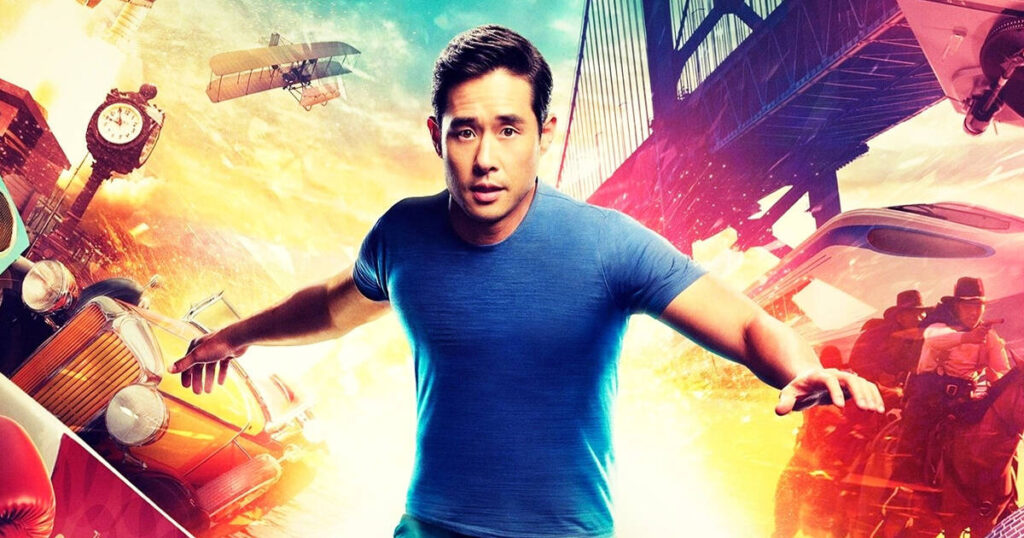
Visual Snapshot of the Series
Final Verdict
The Quantum Leap was cancelled due to a combination of declining ratings, moderate streaming performance, and high production costs.
It wasn’t a single failure point. It was a gradual drop in audience retention combined with financial pressure.
While the show had strengths, it couldn’t sustain the scale needed for renewal.
For viewers, the best takeaway is clear:
The concept still works—but execution and audience alignment matter more than legacy alone.