
Finding a good sports bar is not about luck. It’s about checking a few critical things before you walk in. Screen visibility, match coverage, pricing, and crowd type decide your experience more than the name of the place. Most people ignore these—and end up leaving early.
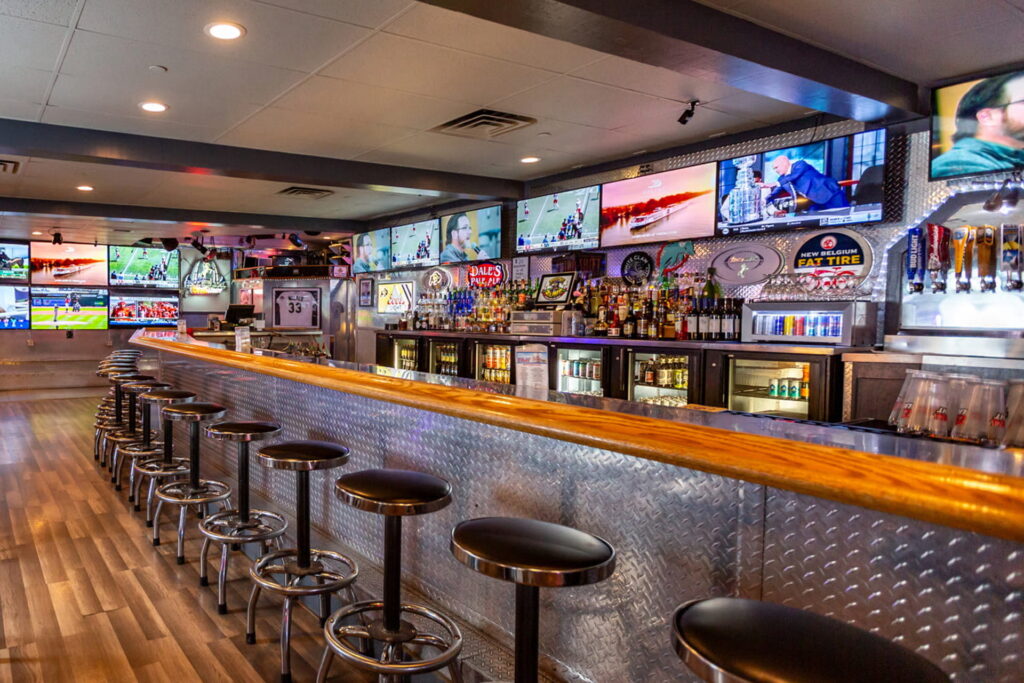
Start with the basics. A proper sports bar should have multiple large screens, synchronized audio, and confirmed access to the match you want. If one of these is missing, the experience drops fast. This is where most venues fail, especially during high-demand games.
Now here’s the part people don’t check: timing and crowd density. Data from hospitality industry reports shows peak match hours can increase occupancy by 60–80%, which directly affects service speed and seating availability. If you don’t plan around this, even a good bar feels like a bad one.
And once you understand these basics, the next step becomes easier—choosing the right type of sports bar for your situation.
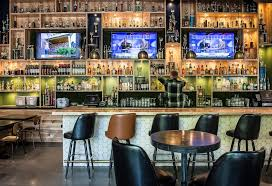
Types of Sports Bars (Choose Based on Your Need)
Not all sports bars are built the same. Picking the wrong type is the fastest way to ruin your experience.
- High-energy game-day bars
Best for major matches. Expect loud crowds, chants, and packed seating. Good for atmosphere, bad for comfort. - Casual neighborhood sports bars
Balanced option. Fewer crowds, steady service, and decent screen setups. - Premium sports lounges
Reserved seating, better screens, and higher prices. Ideal for uninterrupted viewing. - Team-specific fan bars
Focused on a single club or league. Great if you want a community experience. - 24/7 sports bars
Useful for international matches like late-night cricket or European football.
Choosing the type solves half your problem. The next step is finding the right one nearby.
How to Find the Best Sports Bars Near You
Start with maps and filter by ratings above 4.0. Then check recent photos. Look specifically for screen placement and crowd density, not food pictures.
Next, confirm match availability. Many bars list matches on social pages. If not, call and ask. This avoids the most common issue—arriving and realizing your game isn’t playing.
Also check reviews posted during match days. These reveal real problems like overcrowding or delayed service. Once you filter based on this, your shortlist becomes reliable.
But even highly rated places can disappoint. That’s where overlooked factors come in.
Key Factors Most People Overlook
Broadcast delay matters.
Some bars stream matches online. This can create a 20–60 second delay compared to live TV. It ruins key moments if people react early.
Reservation rules are strict on big games.
For events like finals, many places require advance booking or minimum spend.
Internet reliability affects match quality.
Bars using streaming services can face buffering during peak traffic.
Entry fees and hidden charges exist.
Some venues charge cover fees during big matches without clearly stating them.
Understanding these details helps you avoid common mistakes. Next, let’s talk about cost.
What to Expect: Pricing Breakdown
Pricing changes based on match importance and location.
- Standard days:
Drinks and food follow regular menu pricing. - Match days:
Prices can increase by 20–50%, especially for popular games. - Happy hours:
Usually before matches. Offers include discounted drinks and combos. - Hidden costs:
Entry fees, service charges, or minimum spend requirements.
Budget planning matters here. A cheap-looking place can become expensive during peak hours.
Best Food & Drinks to Order at Sports Bars
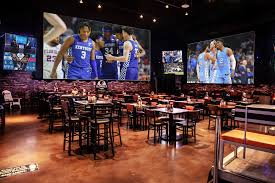
Order smart, especially during crowded matches.
- Quick items: Wings, fries, burgers. Fast service.
- Shared platters: Cost-effective for groups.
- Pitchers instead of individual drinks: Saves money and time.
Avoid complex dishes during peak hours. They take longer and increase wait time. Once your order strategy is clear, the viewing experience becomes smoother.
Sports Coverage: What You Can Actually Watch
Most sports bars focus on high-demand sports:
- Football (soccer)
- Cricket
- NBA and NFL (limited in some regions)
But coverage varies by location. For example, cricket dominates in places like Faisalabad, while European football may require specific channels.
If you want a less popular match, always confirm in advance. This saves time and avoids frustration.
How to Avoid Bad Experiences
Overcrowding is the biggest issue. Arrive at least 45–60 minutes early for major matches.
Check seating layout before ordering. Screens should be visible without turning constantly.
Noise levels vary. Some bars prioritize commentary, others play music. Choose based on your preference.
Also consider safety. Busy nights can lead to poor crowd control. Stick to well-reviewed venues.
Sports Bars vs Pubs vs Lounges
This confusion leads to wrong choices.
- Sports bars: Focus on screens and live matches.
- Pubs: More about social drinking, limited sports setup.
- Lounges: Premium seating, quieter environment, higher cost.
If your goal is watching a match, a sports bar is the most reliable option.
Best Times to Visit a Sports Bar
Timing affects everything.
- Big matches: High energy but crowded.
- Weekdays: Better seating, slower service pressure.
- Early arrival: Best seats and faster service.
Planning timing correctly improves both comfort and cost.
Sports Bars for Different Audiences
- Families: Look for quieter places with seating space.
- Couples: Avoid peak hours, choose casual bars.
- Hardcore fans: Go for high-energy venues.
- Tourists: Central locations with diverse sports coverage.
Matching the bar to your situation improves the experience instantly.
How to Reserve the Best Spot
Call ahead for major matches. Online booking is available in some places.
Choose seating wisely:
- Front tables: Best view, high demand.
- Bar seating: Easier access, less comfortable.
- Group tables: Require early booking.
Reservations reduce uncertainty, especially during finals.
Technology Trends in Modern Sports Bars
Modern sports bars are improving fast.
- 4K and multi-screen setups are becoming standard
- App-based ordering reduces wait time
- Streaming services expand match coverage
These upgrades directly impact viewing quality and convenience.
Visual Guide: Sports Bar Setup
What Is a Sports Bar? (Quick Reference)
A sports bar is a venue designed for watching live sports on multiple screens while offering food and drinks. You can read the formal definition on Wikipedia through this page:
<a href=”https://en.wikipedia.org/wiki/Sports_bar”>sports bar</a>
Final Checklist Before You Go
- Confirm your match is available
- Check peak hours and arrive early
- Review recent photos for screen setup
- Ask about pricing or entry fees
- Reserve if it’s a big game
A sports bar experience depends more on planning than luck. When you check the right factors—screens, timing, pricing, and crowd—you avoid the common problems most people face.