



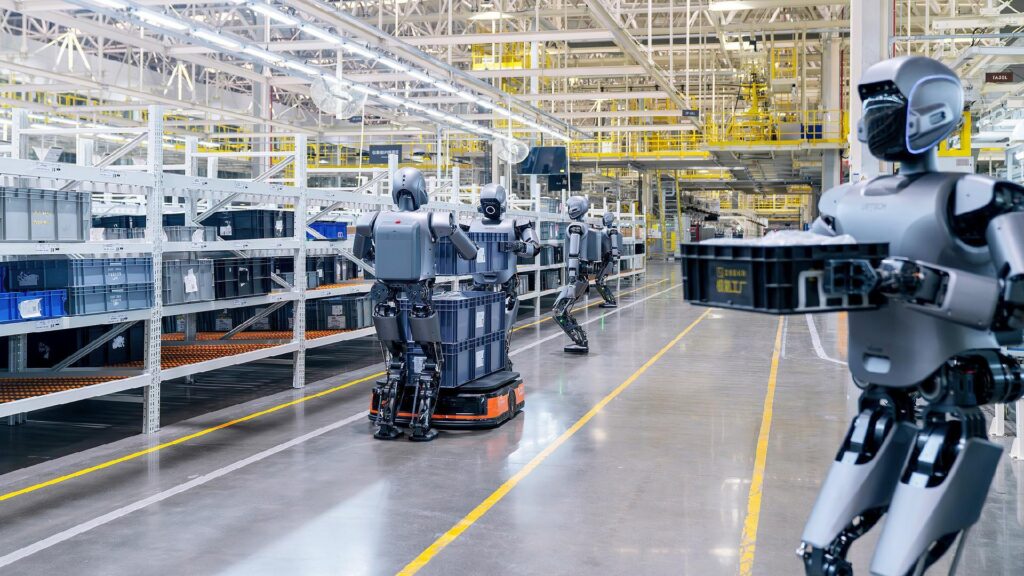

Manufacturers are increasing robotics investments, but not evenly. Automotive and electronics still dominate, yet mid-sized factories are now adopting collaborative robots at a faster rate. Recent months show three clear signals: funding is shifting toward AI-enabled robotics, deployments are moving from pilot to production, and cost models like Robotics-as-a-Service (RaaS) are reducing entry barriers.
At the same time, global robot density continues to rise. According to the International Federation of Robotics, industrial robot installations surpassed 550,000 units annually in recent reports, with Asia accounting for over 70% of demand. This matters because it shows where manufacturing competitiveness is being built right now.
The most important shift is not just “more robots,” but smarter deployment. AI-driven inspection, flexible automation, and modular systems are replacing rigid production lines. That transition explains why manufacturers are focusing less on hardware alone and more on software integration and ROI timelines.
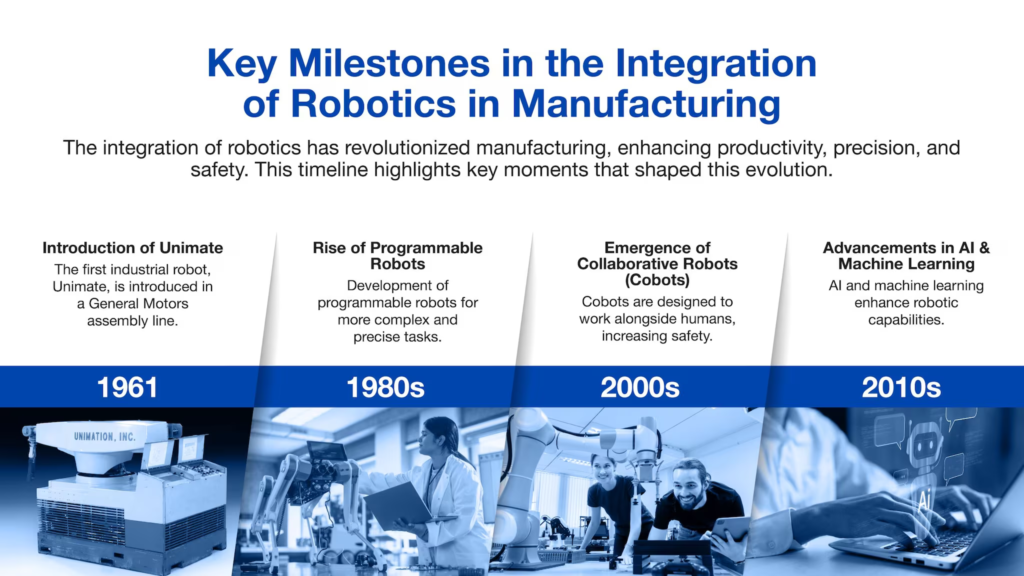
Latest Robotics Manufacturing News (What Actually Matters)
Recent developments show a clear move toward practical deployment:
- Large manufacturers are expanding multi-robot cells instead of single-use automation
- Cobots are being deployed in SMEs for assembly and packaging
- AI vision systems are reducing defect rates by up to 30–50% in electronics manufacturing
These updates matter because they directly affect cost per unit and production speed. Instead of experimental projects, companies are scaling what already works.
This leads to a deeper question: where is this growth actually happening?
Industrial Robotics Adoption: Where Growth Is Happening
Adoption is no longer limited to automotive giants.
- Automotive: Still the largest segment, especially EV production lines
- Electronics: Fastest growth due to precision requirements
- Logistics & warehousing: Expanding due to e-commerce demand
Regionally:
- China continues to lead in total installations
- Japan focuses on high-precision robotics
- North America is investing in reshoring and automation
- Europe is prioritizing smart factories and energy-efficient systems
This distribution shows one thing clearly: robotics is becoming a competitive necessity, not an option.
Key Companies Driving Robotics Manufacturing Innovation
The market is shaped by both legacy leaders and newer entrants.
- ABB: Focus on AI-powered automation and digital twins
- FANUC: Strong in high-volume manufacturing robotics
- KUKA: Expanding in automotive and smart factory solutions
At the same time, startups are pushing innovation in collaborative robotics and AI integration. Their advantage is flexibility and lower cost, which appeals to smaller manufacturers.
This shift toward flexibility explains the rise of new technologies inside factories.
Breakthrough Technologies Changing Factory Robotics
Several technologies are now moving from theory to production:
1. AI-Powered Vision Systems
Used for quality inspection and defect detection. These systems reduce human error and improve consistency.
2. Collaborative Robots (Cobots)
Unlike traditional robots, cobots work alongside humans. They are easier to deploy and require less programming.
3. Digital Twins
Virtual models of production lines allow simulation before real-world deployment. This reduces downtime and risk.
4. Edge AI in Manufacturing
Processing data locally instead of relying on the cloud improves speed and reliability on factory floors.
Each of these technologies solves a specific bottleneck. That’s why adoption is accelerating.
Recent Deals, Funding & Partnerships (With Context)
Instead of listing deals, it’s more useful to understand why they happen:
- Robotics startups are attracting funding due to AI integration potential
- Large firms are acquiring software companies to improve automation intelligence
- Partnerships focus on combining robotics with data analytics
These deals indicate a shift from hardware-centric robotics to software-defined manufacturing.
And that directly impacts real-world use cases.
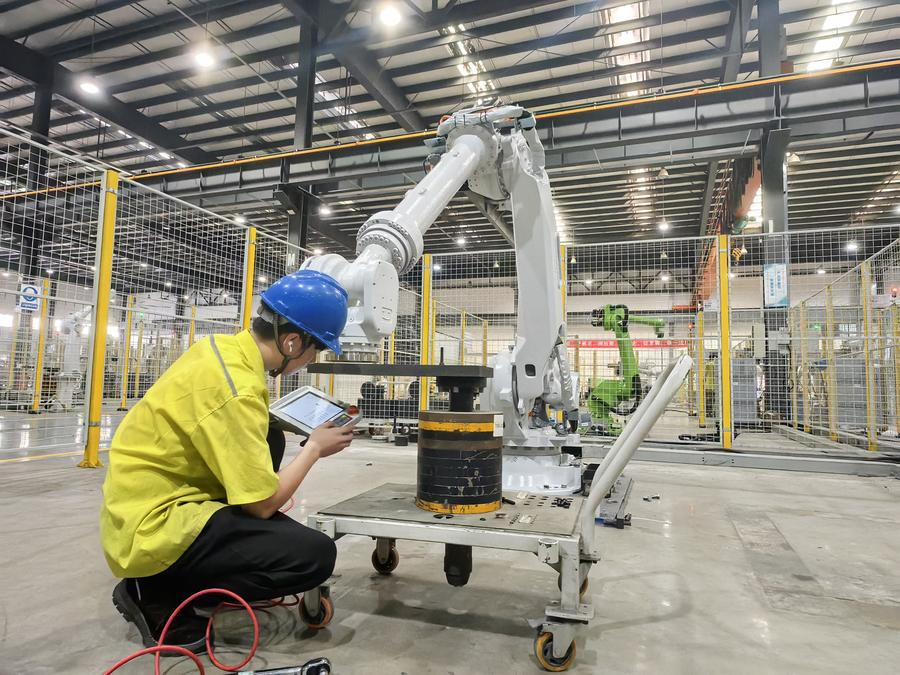
Real Manufacturing Use Cases (Proof Over Hype)
Concrete results show why robotics adoption is increasing:
- Assembly lines: Cobots reduce cycle time by 20–40%
- Quality inspection: AI vision cuts defects significantly
- Warehousing: Robots improve picking efficiency and accuracy
For SMEs, the biggest benefit is consistency rather than speed. That’s often overlooked but critical.
Still, adoption is not without challenges.
Challenges Slowing Robotics Adoption (And Solutions)
High upfront cost
Solution: RaaS models allow subscription-based deployment
Integration complexity
Solution: Plug-and-play systems and pre-trained AI models
Workforce resistance
Solution: Upskilling programs and hybrid human-robot workflows
Unclear ROI
Solution: Performance-based contracts tied to output metrics
These solutions are making robotics more accessible, especially for smaller manufacturers.
Labor Impact: Automation vs Workforce Reality
Robotics is changing jobs, not eliminating them entirely.
- Demand for robot operators and maintenance technicians is rising
- Routine manual tasks are decreasing
- Hybrid roles combining IT and manufacturing are increasing
This shift requires reskilling, not just hiring.
To understand this better, you can explore the basics of Industrial automation.
Regulatory and Supply Chain Factors
External factors also shape robotics manufacturing:
- Trade policies affect robot imports and exports
- Semiconductor shortages impact production timelines
- Safety regulations influence deployment speed
These constraints explain why adoption rates vary across regions.
What to Watch Next (6–12 Month Outlook)
The next phase of robotics manufacturing will focus on:
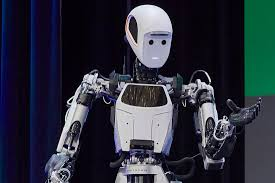
- Early adoption of humanoid robots in controlled environments
- Expansion of low-cost cobots for SMEs
- Growth of AI-first robotics platforms
- Increased use of simulation before deployment
These trends are practical, not speculative. Most are already in pilot stages.
How to Evaluate Robotics Trends (For Decision Makers)
To avoid hype, focus on measurable factors:
- ROI timeline (typically 12–36 months)
- Deployment complexity
- Maintenance requirements
- Integration with existing systems
Avoid solutions that promise full automation without clear metrics.
Summary: What This Means for Manufacturers
Robotics manufacturing is entering a phase of practical scaling.
- AI integration is now a requirement, not an advantage
- SMEs are becoming a major growth segment
- Flexible automation is replacing rigid systems
The key takeaway is simple: success depends on choosing the right use case, not just adopting the latest technology.
For a broader technical background, refer to Robotics Wikipedia.
Manufacturers that focus on ROI, flexibility, and workforce integration are the ones seeing real results.



[…] Robot dogs are no longer limited to research labs or expensive industrial projects. The Pupper robot changed that by making quadruped robotics more accessible for students, developers, and hobbyists. Today, platforms like Stanford Pupper and Mini Pupper are widely used for robotics learning, AI testing, and ROS development. […]