





AI News Today: Key Updates, Breakthroughs, and What They Mean for You (May 2026)
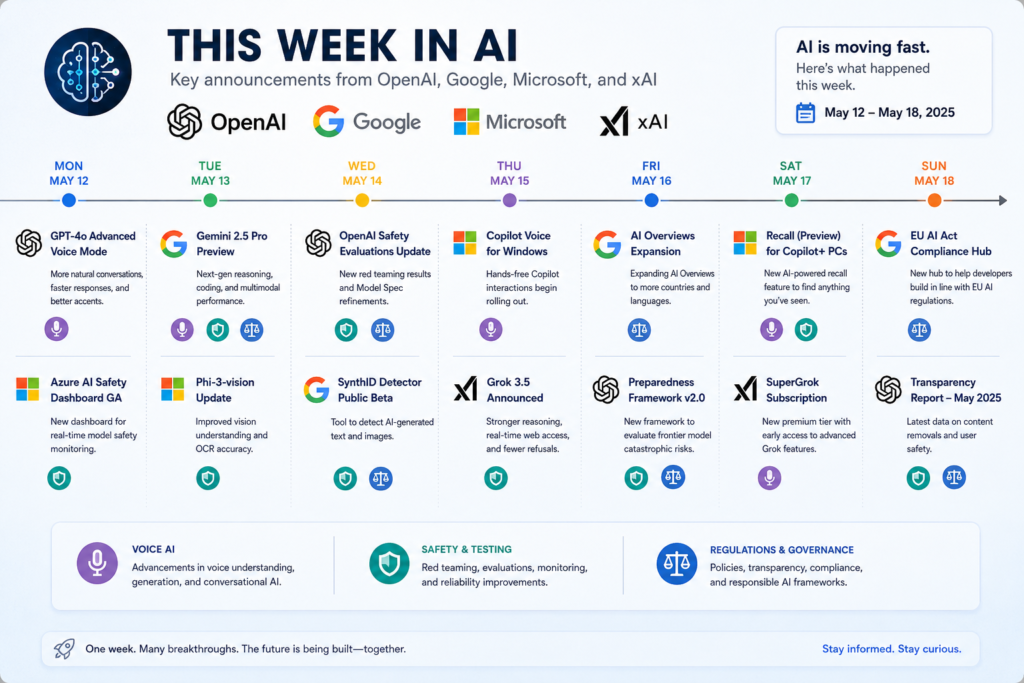
AI news today highlights steady, impactful progress across multimodal capabilities, enterprise integration, safety protocols, and regulatory alignment. Leading players like OpenAI, Google DeepMind, Microsoft, and xAI are driving practical advancements that move AI from experimentation to core business operations.
Top AI Headlines Today
- OpenAI introduced new voice intelligence features in its API, enhancing natural speech interactions, alongside a “Trusted Contact” safeguard for self-harm scenarios and tests for ads in ChatGPT.
- Google DeepMind, Microsoft, and xAI agreed to provide early access to new AI models for U.S. government safety evaluations via the Commerce Department’s CAISI, focusing on capabilities, cybersecurity, and national security risks.
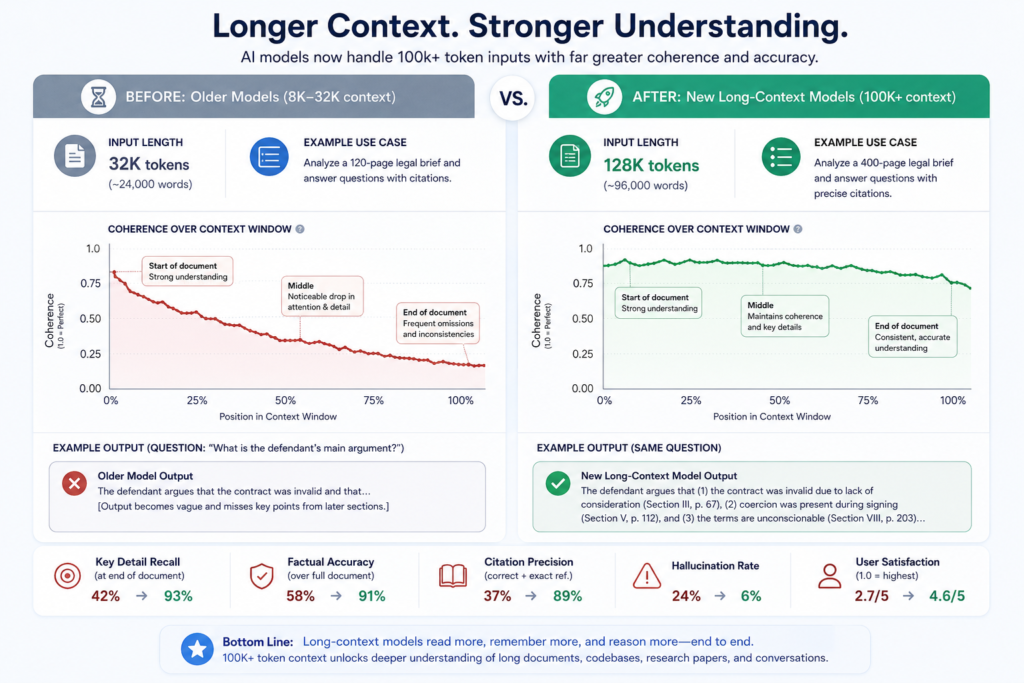
- Enhanced long-context handling and reasoning improvements continue across models, supporting complex coding, research, and workflow automation.
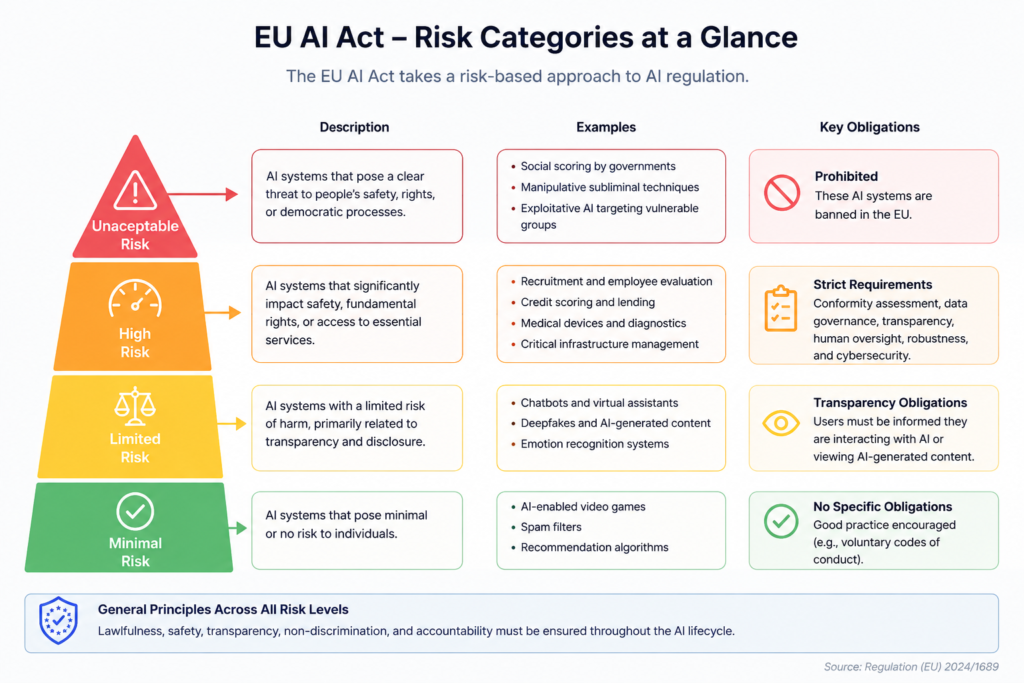
- The EU advances AI governance through the AI Act framework and Code of Practice signatories, emphasizing transparency in high-risk applications.
I
Why These AI Developments Matter Now
Incremental upgrades in context retention, consistency, and multimodal processing reduce hallucinations and improve reliability in real-world enterprise settings. Businesses have moved beyond pilots: over 65% of enterprises actively deploy AI, up sharply from recent years, shifting it into daily operations for coding, data analysis, and automation.
Competitive Landscape and Industry Moves
Competition intensifies as the gap narrows:
- Microsoft deepens Copilot integration across productivity suites for workflow automation.
- Google strengthens AI in search, cloud, and Gemini applications, including agentic tools.
- OpenAI expands API capabilities and partnerships while navigating governance.
- xAI and others contribute to a broader ecosystem with emphasis on safety reviews.
Meta and open-source efforts provide flexibility for developers seeking customizable solutions. This rivalry accelerates innovation while pushing usability for non-technical users.
Practical AI Tools Launched or Updated Recently
AI News Today features tools delivering immediate productivity gains:
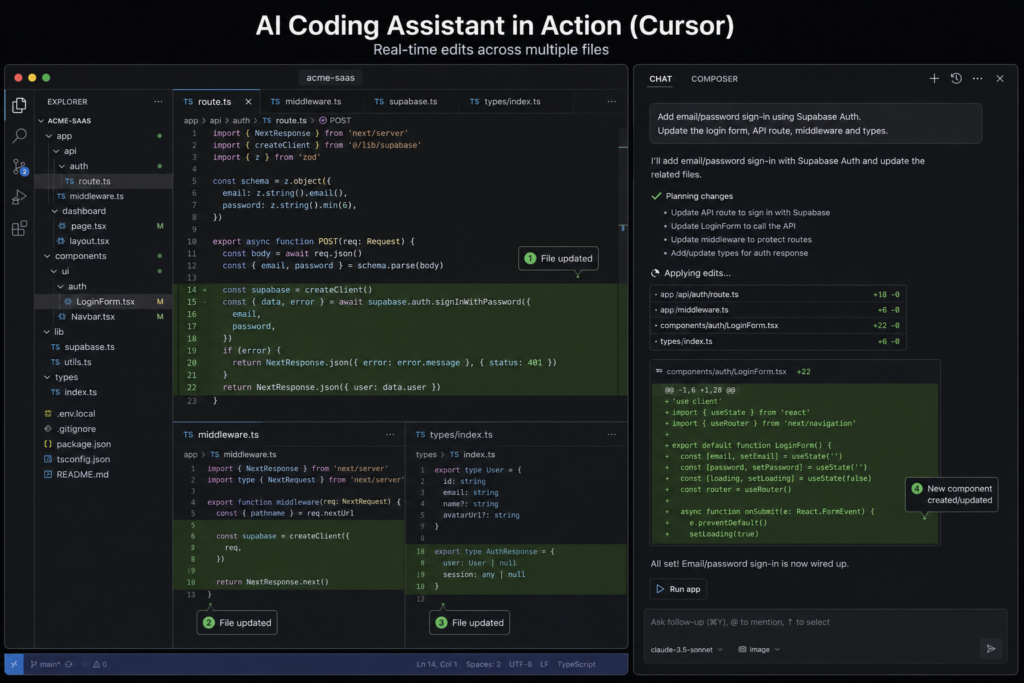
- Coding Assistants (e.g., Cursor, Claude Code, Gemini Code Assist): Faster debugging, multi-file refactoring, and agentic workflows for developers.
- Content Generation Platforms: Better long-form writing, SEO optimization, and multimodal output (text + images/video).
- Automation Tools: Streamline emails, reporting, data entry, and repetitive tasks with improved accuracy.
Modern tools prioritize accessibility, enabling freelancers and non-technical teams to adopt them rapidly—AI tool usage among freelancers has surged significantly.
Regulations, Risks, and Ethical Considerations
Growth brings scrutiny. The EU AI Act enforces stricter rules on transparency, especially for hiring, finance, and healthcare AI. The U.S. focuses on pre-deployment safety testing for frontier models.
Key concerns include:
- Black-box decisions — Need for explainability.
- Copyright and training data — Ongoing creator protections.
- Bias and safety — Prioritizing responsible scaling.
Experts stress maturing from rapid deployment to controlled, trustworthy growth.
Market Impact: Economy, Stocks, and Jobs
AI drives volatility in tech stocks alongside massive infrastructure investments. Job markets are reshaping rather than simply contracting: demand for AI skills (prompt engineering, integration, data analysis) grows strongly, while routine tasks automate.
Recent analyses show AI augments many roles and creates new opportunities, though it displaces repetitive ones. Overall, 50%+ of U.S. jobs could see reshaping in coming years, emphasizing adaptation through upskilling.
Actionable Insights: How to Leverage AI News Today
- Integrate proven AI tools into daily workflows for measurable productivity gains.
- Master core skills like advanced prompting and automation setup.
- Verify critical AI outputs, especially in professional or regulated contexts.
- Monitor regulations if operating in high-risk sectors.
- Focus on human-AI collaboration for best results.
I
Emerging Trends to Watch
- Multimodal AI combining text, voice, image, and video understanding.
- Agentic systems and enhanced memory for complex, long-running tasks.
- Tighter safety and regulatory frameworks globally.
- Enterprise-scale adoption with embedded tools.
Final Takeaway on AI News Today
AI news today reflects consistent, production-ready progress rather than singular breakthroughs. Practical adoption, safety focus, and regulatory maturity define the current phase. Individuals and businesses succeeding will treat AI as a collaborative tool—leveraging its strengths while applying human oversight.
Stay informed, experiment responsibly, and focus on value-adding skills. The AI landscape rewards those who adapt effectively.




[…] Deployment slows without proper safeguards […]
[…] hires primarily for AI research, machine learning engineering, and safety-focused roles. The company prioritizes candidates with deep technical ability, proven […]
[…] Read guides for basic troubleshooting […]
[…] to execution. The EU AI Act officially entered into force in 2024, but 2026 news is focused on practical enforcement, guidance, and […]
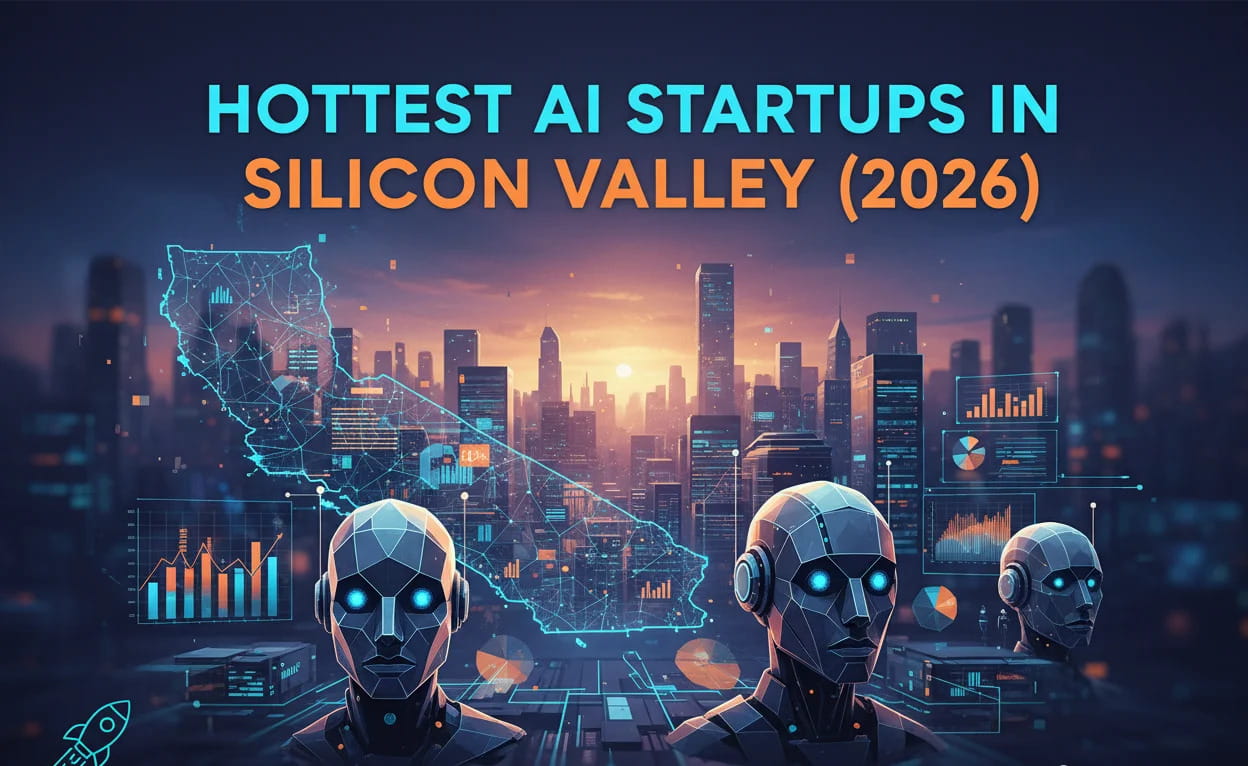
[…] in 2026 is not defined by hype. It is shaped by revenue traction, enterprise adoption, and technical defensibility. Startups like Perplexity AI, Cognition AI, and Glean are gaining attention because they solve real […]
[…] positions the company within the multi-modal AI category, where competitors are also investing […]