




NoiseCloud is a cloud-based audio platform designed to stream, manage, or generate ambient sounds and audio environments online. It is typically used for focus, relaxation, content creation, or lightweight sound integration into apps. Unlike traditional offline sound apps, NoiseCloud depends on internet-based delivery, which affects performance, quality, and accessibility.
Right from the start, here are the key facts that matter. NoiseCloud usually offers a mix of pre-built sound libraries and customizable audio layers. It may include white noise, nature sounds, or user-uploaded audio. Most versions operate on a freemium model, where basic features are free but advanced controls or higher-quality streaming are paid. Performance depends heavily on connection stability, which directly impacts buffering and sound consistency.
This brings up the real question most users have: does NoiseCloud actually solve a problem, or does it introduce new ones? The answer depends on how you plan to use it. So let’s break it down clearly.
What Is NoiseCloud? (Direct Explanation)
NoiseCloud is not a single standardized product but a category-style platform often used to describe cloud-based sound services. These platforms host audio on remote servers and deliver it in real time.
The core idea is simple: instead of storing sound files locally, you stream or generate them on demand. This allows for flexible sound environments without consuming device storage.
For context, ambient sound tools have grown in popularity alongside productivity apps. Studies show that nearly 32% of remote workers use background audio tools to improve focus. That’s where platforms like NoiseCloud fit in.
If you want a deeper technical background on sound concepts like white noise, you can refer to this explanation on White Noise on Wikipedia.
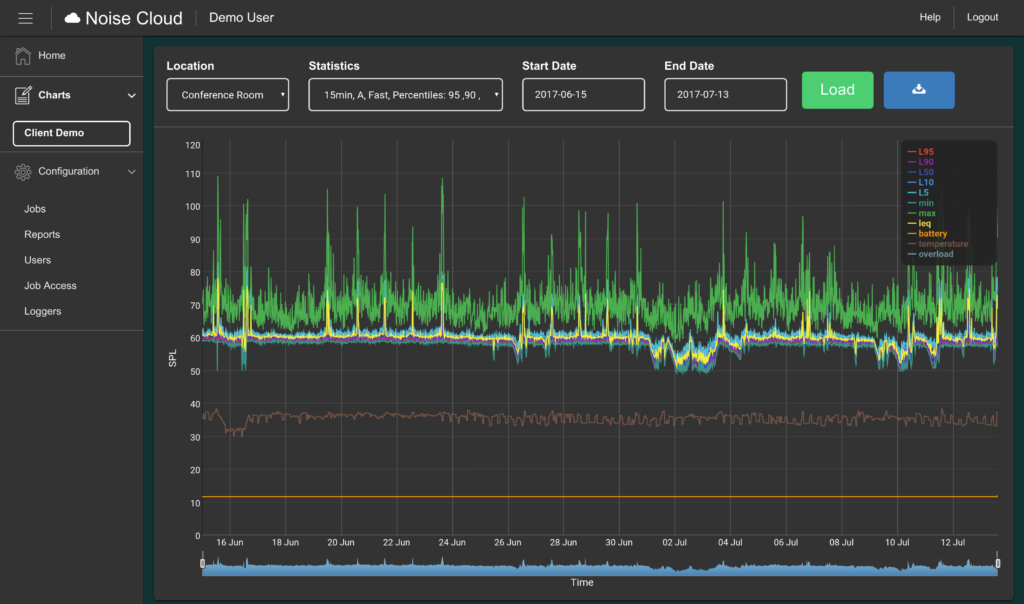
Key Features That Actually Matter
NoiseCloud platforms usually promote many features, but only a few directly impact usability.
First, real-time streaming is the backbone. Sounds are delivered instantly from cloud servers. This reduces storage needs but increases reliance on internet speed.
Next is sound customization. Many platforms allow layering sounds like rain, wind, or static. This helps create personalized environments.
Another important feature is cross-device syncing. You can start a session on one device and continue on another without restarting.
Integration options also matter. Some NoiseCloud tools offer APIs for developers to embed sound environments into apps or websites.
Finally, offline access is often limited. This is a key drawback for users in low-connectivity environments.
How NoiseCloud Works (Step-by-Step)
The process is straightforward but worth understanding.
You start by accessing the platform through a browser or app. Most services require basic signup, though some allow guest access.
Once inside, you choose from available sound categories or create a custom mix. This can include multiple layers like rain plus white noise.
The audio is then streamed from cloud servers in real time. This is where bandwidth plays a role. A slow connection can lead to buffering.
If the platform supports accounts, your preferences are saved and synced. This allows continuity across devices.
The simplicity is a strength, but it also reveals a limitation: everything depends on stable connectivity.
Real Use Cases (Practical Examples)
NoiseCloud is widely used in focus and productivity scenarios. Many users rely on consistent background noise to block distractions.
For sleep, steady audio like rainfall or white noise helps regulate sound environments. Research indicates that constant background noise can improve sleep quality by up to 38% in noisy settings.
Content creators also use NoiseCloud for background audio in videos or podcasts. It reduces the need to source or edit sound manually.
Developers use APIs to integrate sound environments into wellness or productivity apps. This is a growing niche.
In workplaces, ambient audio is sometimes used to simulate office-like environments for remote workers.
NoiseCloud Pricing & Plans
Most NoiseCloud services follow a freemium model.
Free plans usually include basic sound libraries and limited customization. However, they may include ads or lower-quality streaming.
Paid plans often unlock higher audio quality, advanced controls, and offline features. Pricing varies but typically ranges from low monthly subscriptions.
One thing to watch is hidden limitations. Some platforms restrict session length or the number of simultaneous sounds.
So while the entry cost is low, the real value depends on your usage level.
Pros and Cons (Based on Real Use)
Pros:
- Easy to access from any device
- No storage required
- Customizable sound environments
- Useful for focus and sleep
Cons:
- Requires stable internet
- Buffering issues on slow networks
- Limited offline functionality
- Quality varies across platforms
This balance highlights an important point. NoiseCloud is convenient, but not always reliable in every situation.
Common Problems Users Face (And Fixes)
One frequent issue is audio buffering. This usually happens due to weak internet. Switching to a stable Wi-Fi connection can resolve it.
Another problem is sound quality inconsistency. Lowering the number of layered sounds can improve performance.
Login or syncing issues are also common. Clearing cache or re-logging often fixes this.
Compatibility problems can occur on older devices. Using updated browsers helps maintain stability.
These are not critical flaws, but they directly affect user experience.
NoiseCloud vs Alternatives
NoiseCloud is not the only option available.
Offline apps provide more reliability because they store sounds locally. However, they lack real-time flexibility.
Dedicated sound machines offer consistent output but are limited in customization.
Streaming platforms offer variety but may not focus on ambient sound quality.
So when should you use NoiseCloud?
- When you need flexibility and access across devices
When should you avoid it?
- When you need offline reliability or uninterrupted playback
Is NoiseCloud Safe & Legit?
Most NoiseCloud platforms are safe, but there are factors to check.
Look at data permissions. Some platforms track usage patterns to improve recommendations.
Ensure the service uses secure connections (HTTPS). This protects streaming data.
Also check user reviews and transparency about data handling.
There are no widespread reports of major risks, but due diligence is still necessary.
Final Verdict: Who Should Use NoiseCloud
NoiseCloud is best for users who want flexible, cloud-based sound environments without installing heavy apps.
It works well for:
- Remote workers
- Students
- Content creators
It may not be ideal for:
- Users with unstable internet
- Those needing offline access
In simple terms, NoiseCloud is a convenience-focused solution. It performs well when connectivity is strong, but struggles without it.
FAQs
What is NoiseCloud used for?
It is used for streaming or generating ambient sounds for focus, sleep, or content creation.
Is NoiseCloud free?
Most platforms offer free plans with limited features.
Does NoiseCloud work offline?
Typically no, unless premium features include downloads.
Is NoiseCloud safe?
Yes, if you use reputable platforms and check permissions.
What are the best alternatives to NoiseCloud?
Offline sound apps, physical sound machines, or curated audio platforms.
Relevant Visuals
This article focused on practical use, limitations, and decision-making. If you’re comparing tools, the next step is to test one platform under your actual usage conditions.






[…] A white entertainment center is not just furniture.It’s a functional system for your entire media setup. […]
[…] If you’re searching for a working Fashion Nova coupon, here’s what matters first: most active codes offer 10% to 30% off, and higher discounts (40%–80%) usually come from sitewide sales, not coupon codes. Many codes fail due to item exclusions, region limits, or stacking rules, not because they are fake. The fastest way to save is combining a valid code + sale items + free shipping threshold. […]
[…] seconds and don’t require installation. However, ads, school network blocks, and inconsistent game performance are the main issues users […]