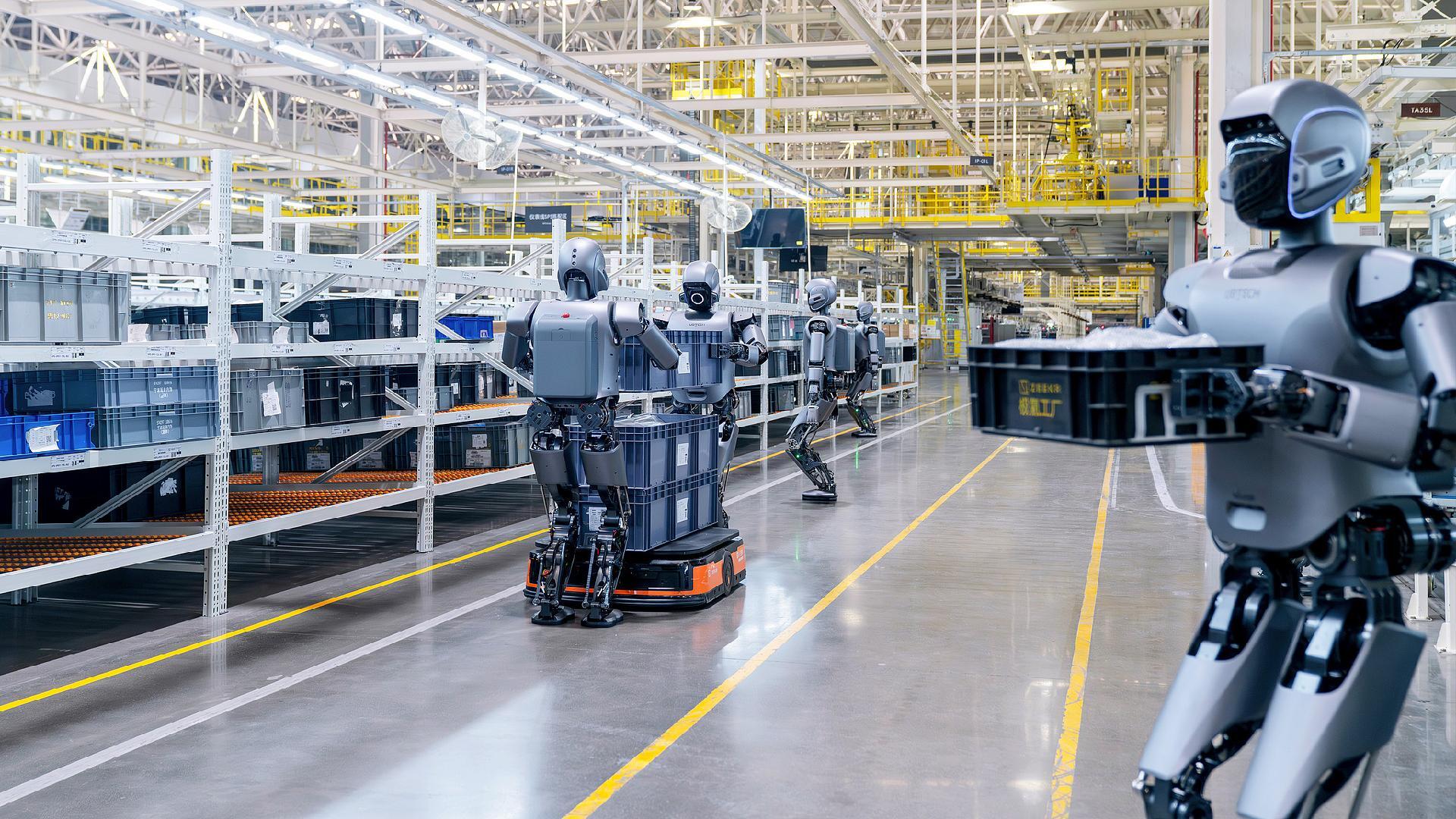

Modern warehouses generate massive amounts of inventory, shipment, and supplier data every day. Yet many logistics operations still rely on disconnected systems, spreadsheets, manual reconciliation, and delayed reporting. This creates inventory mismatches, shipment disputes, counterfeit risks, and poor supply chain visibility.
Blockchain technology is being adopted to solve these operational gaps. Instead of storing records in one central database, blockchain creates a shared and tamper-resistant ledger accessible to authorized supply chain participants. Warehouses, suppliers, transport companies, distributors, and retailers can verify the same transaction history in real time.
For logistics companies, the practical value is clear. Blockchain can improve inventory traceability, reduce fraud, automate supplier agreements, simplify audits, and improve shipment transparency across multiple warehouse locations. According to IBM, blockchain-based supply chain systems are increasingly used to improve tracking accuracy and reduce manual paperwork in global logistics operations.
What Is Blockchain in Warehouse and Supply Chain Management?


Blockchain is a distributed digital ledger that records transactions across multiple systems. Once data is recorded, it becomes difficult to alter without network verification.
In warehouse management, blockchain tracks inventory movement, supplier transactions, receiving records, shipping updates, and compliance documentation. Every authorized participant sees the same version of operational data.
This removes one major problem in traditional logistics systems: conflicting records between suppliers, warehouses, and transport providers.
Traditional Databases vs Blockchain Systems
Most warehouses use ERP and WMS platforms that store data centrally. These systems work well internally, but problems appear when multiple organizations exchange data.
For example:
- Suppliers maintain separate records
- Carriers use different tracking systems
- Warehouses update inventory independently
- Retailers receive delayed shipment confirmations
Blockchain creates a synchronized ledger shared across stakeholders. This reduces reconciliation delays and improves operational transparency.
Technologies Commonly Used With Blockchain
Blockchain rarely works alone in logistics environments. Most implementations combine it with:
- RFID tags
- IoT sensors
- Barcode systems
- AI forecasting tools
- Warehouse Management Systems (WMS)
For example, IoT temperature sensors can automatically write cold-chain storage data into blockchain records during pharmaceutical transport.
Major Warehouse Problems Blockchain Helps Solve
Warehouse operations often lose efficiency because of fragmented data systems. Blockchain targets specific operational bottlenecks instead of replacing every logistics tool.
Inventory Inaccuracies
Inventory mismatches remain common in multi-warehouse operations. Products may appear available in one system while physically missing from another location.
Blockchain helps by creating real-time inventory verification across all participants.
Counterfeit Products and Shipment Fraud
Counterfeit goods cost global businesses billions annually. According to the World Economic Forum, blockchain improves product traceability by recording product origin and movement throughout the supply chain.
This is especially important in:
- Pharmaceuticals
- Luxury goods
- Automotive parts
- Food supply chains
Delayed Supplier Verification
Manual approval workflows slow procurement and receiving operations.
Blockchain-based smart contracts can automate:
- Delivery confirmations
- Invoice approvals
- Supplier payments
- Compliance checks
This reduces paperwork and administrative delays.
How Blockchain Improves Warehouse Operations


The operational benefits of blockchain become more visible when integrated into day-to-day warehouse workflows.
Real-Time Inventory Tracking
Blockchain records inventory movement as products enter, transfer, or leave warehouse locations.
This improves:
- Stock visibility
- Order accuracy
- Demand forecasting
- Cross-warehouse coordination
Retailers and suppliers can access synchronized inventory records without relying on delayed reports.
Automated Receiving and Dispatch Records
Inbound and outbound shipment logs are recorded automatically.
This reduces:
- Manual data entry
- Record manipulation
- Shipment disputes
- Missing documentation
For large logistics networks, this can significantly reduce reconciliation time.
Smart Contracts for Warehouse Automation
Smart contracts are automated agreements stored on blockchain systems.
For example:
- Payment releases after delivery confirmation
- Penalty enforcement for delayed shipments
- Automated supplier compliance checks
- Contract-based inventory replenishment
These processes reduce dependency on manual approvals.
Faster Warehouse Audits
Audits often require reviewing multiple systems and paperwork trails.
Blockchain simplifies audits because transaction histories remain permanently recorded and time-stamped.
This is useful for:
- Regulatory inspections
- Inventory investigations
- Supplier disputes
- Product recalls
Blockchain Use Cases in Supply Chain Management
The strongest blockchain adoption is happening in industries where traceability and compliance are critical.
Food Supply Chain Tracking
Food manufacturers use blockchain to trace products from farms to retail shelves.
If contamination occurs, companies can quickly identify:
- Affected batches
- Warehouse locations
- Shipment routes
- Supplier origins
Wikipedia – Supply Chain Management explains how traceability has become a major operational requirement in modern logistics networks.
Pharmaceutical Logistics
Drug manufacturers use blockchain with IoT sensors to monitor:
- Temperature conditions
- Storage compliance
- Shipment authenticity
- Product expiration records
This reduces counterfeit medicine risks and improves regulatory reporting.
Cross-Border Logistics
International shipments involve customs paperwork, transport verification, and compliance approvals.
Blockchain digitizes shipping records and reduces document duplication between logistics partners.
This can shorten customs processing times.
Reverse Logistics and Returns
Returns management is another growing use case.
Blockchain helps verify:
- Product authenticity
- Ownership history
- Warranty eligibility
- Return fraud detection
This is especially useful in electronics and luxury retail sectors.
Benefits of Blockchain in Warehouse and Supply Chain Operations
The operational value of blockchain depends on implementation quality and integration with existing systems.
However, several benefits are consistently reported across logistics deployments.
Improved Supply Chain Transparency
All authorized stakeholders access the same shipment and inventory records.
This improves:
- Coordination
- Shipment visibility
- Supplier accountability
- Inventory planning
Reduced Administrative Costs
Blockchain reduces manual reconciliation, paperwork handling, and duplicate record management.
Large enterprises use this to lower operational overhead.
Better Inventory Accuracy
Real-time transaction recording improves stock accuracy across warehouse networks.
This reduces:
- Overstocking
- Stockouts
- Inventory disputes
- Fulfillment errors
Enhanced Security and Data Integrity
Blockchain records are difficult to alter after verification.
This strengthens protection against:
- Data manipulation
- Unauthorized changes
- Fraudulent transactions
Challenges of Implementing Blockchain in Supply Chains
Blockchain adoption also comes with practical limitations.
Integration Complexity
Most warehouses already use ERP and WMS systems.
Integrating blockchain into legacy infrastructure requires:
- API development
- Data standardization
- Staff training
- Process redesign
High Initial Costs
Implementation costs may include:
- Infrastructure upgrades
- Software integration
- Security frameworks
- IoT hardware deployment
Smaller logistics companies may face budget limitations.
Scalability Concerns
Large supply chains process millions of transactions daily.
Some blockchain systems still struggle with:
- Transaction speed
- Storage efficiency
- Network scalability
This remains an active development area.
Industry-Wide Adoption Barriers
Blockchain delivers the most value when multiple supply chain participants use the same ecosystem.
Partial adoption limits operational efficiency.
Industries Already Using Blockchain in Logistics
Several industries are actively deploying blockchain-based logistics systems.
Retail and eCommerce
Used for inventory visibility and returns management.
Food and Agriculture
Focused on traceability and contamination response.
Pharmaceutical Supply Chains
Used for compliance and counterfeit prevention.
Manufacturing
Supports supplier coordination and parts tracking.
Automotive Logistics
Tracks spare parts authenticity and sourcing history.
Popular Blockchain Platforms Used in Supply Chain Operations
Several enterprise platforms dominate logistics-related blockchain deployments.
Hyperledger Fabric
Widely used for permission-based enterprise blockchain systems.
VeChain
Focused on supply chain traceability and logistics tracking.
SAP Blockchain Solutions
Integrated with enterprise ERP environments.
Oracle Blockchain Platform
Used for logistics automation and transaction verification.
Future of Blockchain in Warehouse and Supply Chain Management
Blockchain adoption is gradually moving from pilot programs toward operational deployments.
Future developments will likely include:
- AI-driven logistics forecasting
- Autonomous warehouse workflows
- Smart contract-based procurement
- Blockchain-powered digital twins
- ESG and sustainability reporting automation
As supply chains become more global and data-intensive, shared verification systems will become increasingly important.
Conclusion
Blockchain technology is becoming a practical tool for improving warehouse visibility, shipment traceability, and supply chain coordination. Its value is strongest in environments where multiple organizations exchange inventory and logistics data daily.
For warehouses, blockchain can reduce inventory discrepancies, automate transaction verification, simplify audits, and improve supplier accountability. Combined with IoT sensors, RFID systems, and warehouse management software, it creates a more transparent operational framework.
The technology still faces integration, scalability, and adoption challenges. However, industries that depend heavily on traceability and compliance are already moving toward blockchain-enabled logistics systems because the operational benefits are measurable and increasingly difficult to ignore.