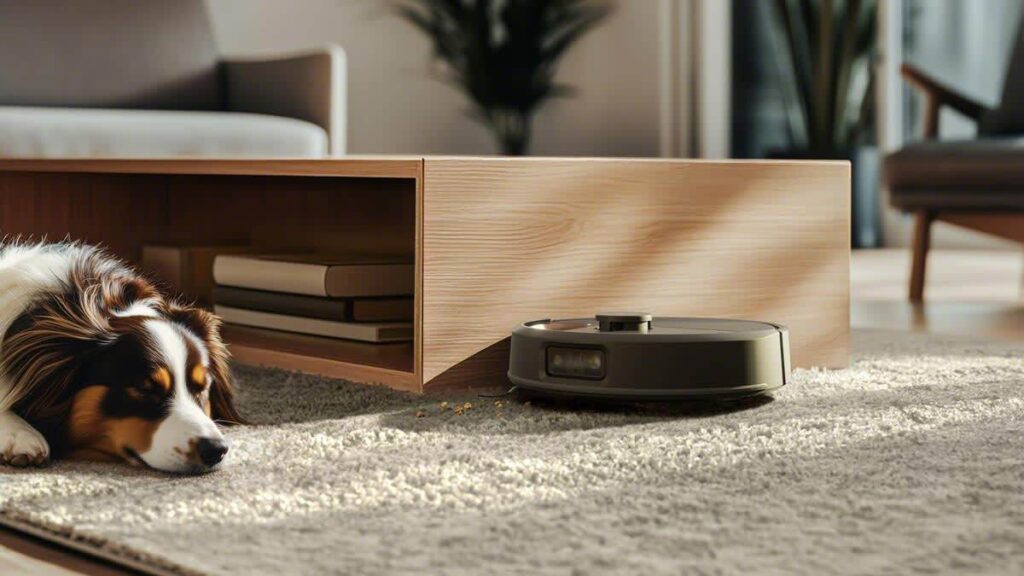

Robot vacuums are no longer experimental gadgets. In 2026, they are part of daily cleaning routines in apartments, family homes, and pet-friendly spaces. The biggest reason is simple: they reduce repetitive floor cleaning without requiring constant supervision.
But many buyers still make the same mistake. They focus on marketing terms like “8000Pa suction” or “AI cleaning” instead of understanding how navigation, brush design, mapping accuracy, and maintenance affect real-world cleaning. A robot vacuum with strong software and reliable navigation often performs better than a cheaper model with inflated specifications.
The market has also changed fast. According to recent smart home industry reports, robot vacuum adoption continues to grow globally because users prefer automated daily cleaning over occasional deep cleaning. That shift pushed manufacturers to improve LiDAR mapping, self-empty docks, obstacle avoidance, and mopping systems instead of only increasing suction power.
Before comparing models, it is important to understand one reality: robot vacuums are maintenance cleaners, not replacements for heavy-duty upright vacuums. They handle dust, hair, crumbs, and routine debris well. Deep carpet cleaning and edge cleaning still require manual intervention in many homes.
For readers unfamiliar with the technology, the concept of a <a href=”https://en.wikipedia.org/wiki/Robotic_vacuum_cleaner”>robotic vacuum cleaner</a> has evolved from random navigation machines into intelligent mapping systems that can clean room by room with surprisingly little input from the user.
How Robot Vacuums Actually Work
Modern robot vacuums use three major systems together:
- Navigation sensors
- Suction and brush systems
- Smart mapping software
Budget models often move randomly. They bump into furniture repeatedly and miss sections of the floor. These models are cheaper, but cleaning efficiency is inconsistent.
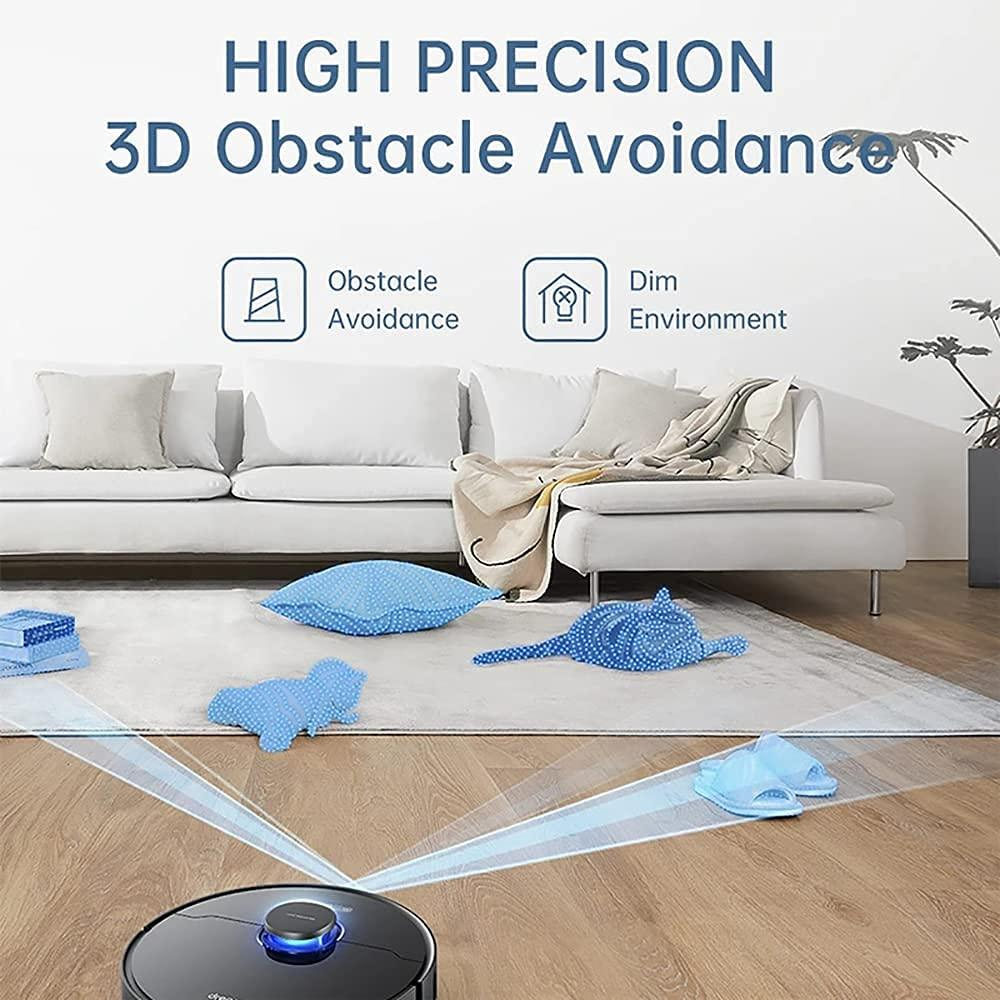
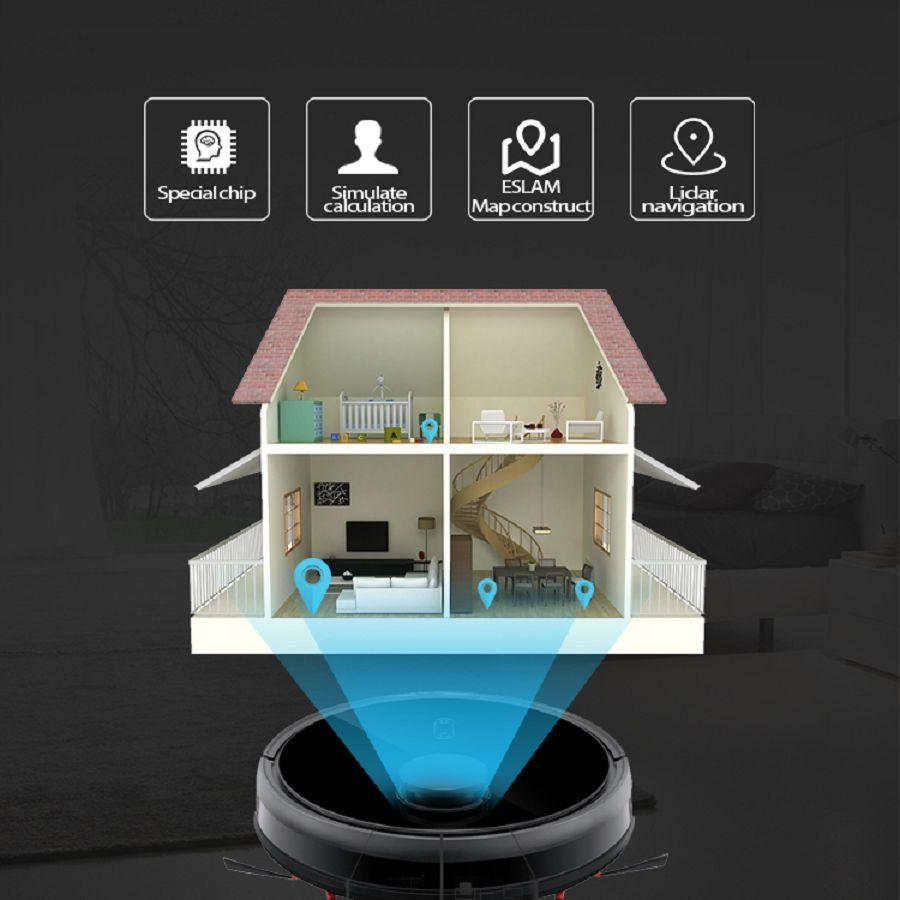
Mid-range and premium models use LiDAR or camera-based navigation. LiDAR systems scan rooms with laser sensors and create accurate floor maps. Camera-based systems visually identify furniture, walls, and obstacles.
This difference matters more than most buyers realize.
A robot vacuum with poor navigation wastes battery life, cleans the same area repeatedly, and gets stuck more often. Navigation quality usually affects daily usability more than raw suction power.
Why Suction Power Numbers Can Mislead Buyers
Many brands aggressively market suction numbers measured in Pascals (Pa). Higher numbers sound impressive, but real cleaning depends on multiple factors.
Brush roller design matters heavily for carpets. Airflow efficiency matters for fine dust pickup. Navigation quality determines whether dirt is reached at all.
For practical use:
- 2000–4000Pa is usually enough for hard floors
- 4000–7000Pa works well for mixed flooring
- Pet hair and thick carpets benefit from stronger airflow and rubber rollers
Extremely high suction claims do not automatically mean better cleaning.
Some budget brands advertise large numbers while using weak brush systems and poor airflow management.
Navigation Systems That Make the Biggest Difference
Navigation quality separates frustrating robot vacuums from reliable ones.
Random Navigation
Found in low-cost models. These robots clean unpredictably and often miss areas.
Gyroscope Navigation
More organized than random systems. Suitable for small apartments.
LiDAR Mapping
Currently the most reliable system for structured cleaning. It works well in low light and creates accurate room maps.
AI Camera Navigation
Premium systems use cameras to recognize cables, shoes, toys, and pet waste. Performance varies depending on software quality.
For homes with furniture, pets, or children’s toys, obstacle avoidance is one of the most important upgrades.
Best Robot Vacuum Features That Matter in Daily Use
Self-Emptying Dock
Self-empty stations reduce manual dust disposal for weeks at a time.
For allergy-sensitive users, this feature is practical because exposure to dust decreases significantly during maintenance.
However, self-empty docks increase overall size and replacement bag costs.
Multi-Floor Mapping
Large homes benefit from multi-floor support. Without it, users must remap rooms repeatedly.
Premium models now store multiple maps automatically.
No-Go Zones
This feature prevents the robot from entering problematic areas such as:
- Pet feeding zones
- Cable-heavy desks
- Bathroom rugs
- Children’s play areas
Reliable app software is important here. Poor apps create inconsistent boundaries.
Robot Vacuum Performance for Pet Hair

Pet owners should prioritize:
- Rubber brush rollers
- Anti-tangle systems
- Strong airflow
- HEPA filtration
Hair wrapping remains one of the biggest complaints in cheaper models.
Rubber rollers reduce maintenance significantly compared to traditional bristle brushes.
Daily automated cleaning also helps reduce visible pet hair accumulation before it spreads across carpets and furniture.
Are Robot Vacuum Mop Combos Worth Buying?
Some are. Many are not.
Basic mop systems simply drag a damp cloth behind the vacuum. These systems remove light dust but struggle with dried stains.
More advanced models use:
- Rotating mop pads
- Pressurized scrubbing
- Automatic mop washing
- Hot air drying
These systems improve hard floor maintenance substantially.
However, mopping still does not fully replace manual floor scrubbing in kitchens or high-traffic areas.
One feature that matters heavily is automatic mop lifting. Without it, carpets can become damp during cleaning cycles.
Common Robot Vacuum Problems Users Face

Robot Vacuum Keeps Getting Stuck
This usually happens because of:
- Loose cables
- Thick rugs
- Low furniture clearance
- Poor obstacle detection
Homes with cluttered floors require stronger navigation systems.
Weak Cleaning Performance
Most suction complaints come from maintenance neglect:
- Dirty filters
- Full dust bins
- Worn rollers
- Hair-clogged brushes
Routine maintenance directly affects airflow performance.
Mapping Errors
Wi-Fi interruptions and software bugs can corrupt maps.
Many users solve this by:
- Rebuilding maps
- Improving lighting
- Repositioning docks away from obstacles
Battery Degradation
Battery performance naturally decreases over time.
Most robot vacuum batteries maintain stable performance for roughly 2–4 years depending on:
- Cleaning frequency
- Floor type
- Charging habits
- Heat exposure
Maintenance Costs Buyers Often Ignore
This is where long-term ownership becomes important.
Many buyers compare only upfront pricing while ignoring recurring expenses:
- Filters
- Brush rollers
- Dust bags
- Mop pads
- Batteries
Premium brands usually provide better spare part availability.
Cheap off-brand models often become difficult to maintain after a year because replacement parts disappear from the market.
That issue alone can make a cheaper vacuum more expensive long term.
Robot Vacuum vs Traditional Vacuum
Robot vacuums are strongest in daily maintenance cleaning.
Traditional vacuums still perform better for:
- Deep carpets
- Stairs
- Upholstery
- Heavy debris
- Corner cleaning
The most practical setup for many households is combining both:
- Robot vacuum for daily cleaning
- Upright vacuum for periodic deep cleaning
That approach reduces manual effort while maintaining better overall floor cleanliness.
Smart Features That Are Actually Useful
Some smart features genuinely improve convenience.
Useful features include:
- Scheduled cleaning
- Room-specific cleaning
- Real-time mapping
- Voice assistant support
- Auto-resume after charging
Less useful features often include:
- Overly aggressive AI marketing
- Surveillance-style camera features
- Inflated suction comparisons
Reliable software matters more than flashy marketing language.
How to Choose the Right Robot Vacuum
For Small Apartments
Choose compact models with good navigation instead of oversized premium docks.
For Pet Owners
Focus on anti-tangle rollers and strong filtration systems.
For Large Homes
Battery life, self-empty docks, and multi-floor mapping matter most.
For Mixed Flooring
Automatic carpet detection and mop lifting improve usability significantly.
Final Verdict
A good robot vacuum is not defined by the highest suction number or the most aggressive marketing claims. Real performance depends on navigation accuracy, maintenance design, software stability, and brush efficiency.
For most users, mid-range LiDAR models already provide strong daily cleaning performance. Premium models mainly improve automation through better obstacle avoidance, self-cleaning docks, and advanced mopping systems.
Buyers should prioritize:
- Reliable mapping
- Spare part availability
- Consistent app support
- Maintenance simplicity
- Real-world cleaning efficiency
Those factors usually determine long-term satisfaction far more than headline specifications alone.
Robot Vacuum Navigation and Mapping


Robot Vacuum Cleaning and Self-Empty Dock Systems