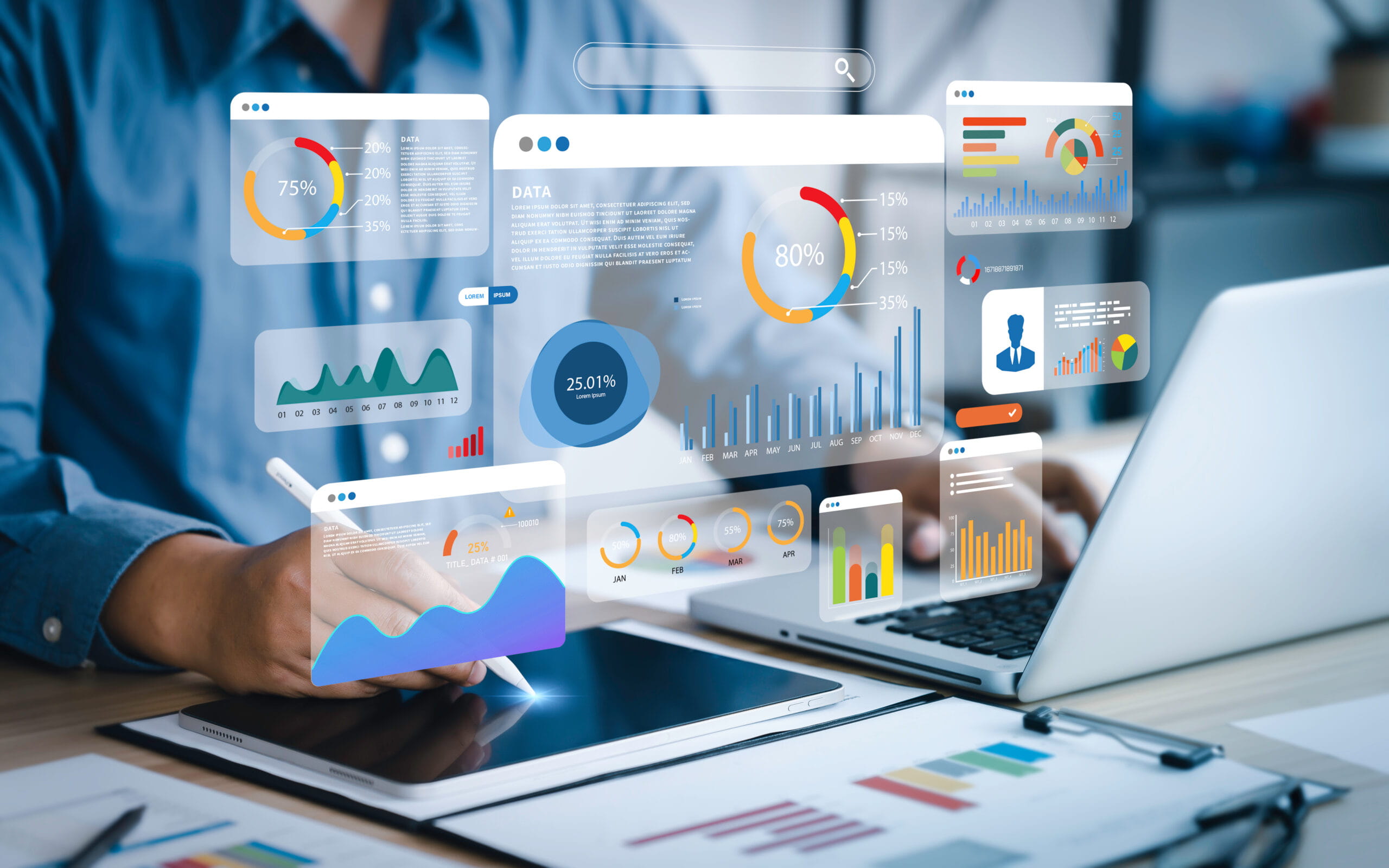

Managing budgeting, forecasting, and financial consolidation across multiple departments is still a major problem for many enterprises. Finance teams often work with disconnected Excel files, delayed reporting cycles, and manual reconciliations that increase the risk of errors during month-end close.
That is where SAP BusinessObjects Planning and Consolidation, commonly called SAP BPC, becomes important. The platform combines planning, budgeting, forecasting, reporting, and consolidation into a centralized system designed for enterprise finance operations.
Large organizations use SAP BPC to reduce manual consolidation work, automate financial processes, and improve visibility across business units. SAP BPC is widely adopted in industries such as manufacturing, banking, retail, healthcare, and telecommunications because it integrates closely with SAP ERP and SAP BW environments.
According to SAP implementation partners and enterprise finance studies, companies using centralized planning platforms can reduce financial close cycles by up to 30% and improve forecast accuracy through standardized reporting models. Those gains usually come from automation, workflow control, and better data governance rather than simply replacing spreadsheets.
Before discussing implementation strategies and migration trends, it is important to understand what SAP BPC actually does inside a finance organization.
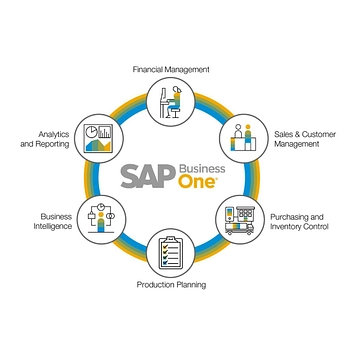
What Is SAP BusinessObjects Planning and Consolidation?
SAP BusinessObjects Planning and Consolidation is an enterprise performance management solution developed by SAP. It helps organizations manage:
- Financial planning
- Budgeting
- Forecasting
- Financial consolidation
- Regulatory reporting
- Management reporting
The platform connects operational data with financial planning models. Instead of managing multiple disconnected systems, finance teams work inside one controlled environment.
SAP BPC is commonly deployed in companies that already use:
- SAP ERP
- SAP S/4HANA
- SAP BW
- BW/4HANA
The software also supports non-SAP integrations, although SAP-based environments usually gain the strongest operational benefits.
For readers who want background on enterprise performance management, the Enterprise Performance Management overview on Wikipedia explains the broader category where SAP BPC fits.
Why Finance Teams Use SAP BPC
Many finance departments struggle with the same operational issues:
- Multiple spreadsheet versions
- Delayed reporting
- Manual intercompany eliminations
- Limited audit tracking
- Inconsistent planning assumptions
SAP BPC addresses these problems through centralized planning and automated consolidation logic.
For example, a global manufacturing company may operate across 20 countries with different currencies. Without automation, finance teams spend days reconciling foreign exchange adjustments and intercompany transactions manually.
SAP BPC automates:
- Currency translation
- Ownership calculations
- Consolidation journals
- Financial statement generation
This reduces close-cycle delays and improves reporting consistency.
The next challenge companies usually face is scalability. As business units grow, spreadsheet-driven planning becomes difficult to manage. That is where SAP BPC’s architecture becomes valuable.
How SAP BPC Works
SAP BPC uses centralized data models connected to enterprise systems.
The platform typically pulls financial and operational data from:
- SAP ERP
- SAP BW
- External databases
- CSV and flat-file imports
Finance users then work through:
- Planning templates
- Input schedules
- Approval workflows
- Consolidation rules
One important advantage is the Microsoft Excel integration through the EPM Add-In. Finance teams can continue working in Excel while using centralized enterprise data instead of disconnected spreadsheets.
This reduces resistance from finance users during implementation.
Core Components of SAP BPC
Budgeting and Planning
Finance teams create:
- Annual budgets
- Department forecasts
- CAPEX plans
- Revenue projections
Planning models support:
- Top-down planning
- Bottom-up planning
- Driver-based forecasting
Financial Consolidation
This is one of SAP BPC’s strongest capabilities.
The platform handles:
- Intercompany eliminations
- Minority ownership calculations
- Currency conversion
- Group consolidation
- Legal reporting
For multinational companies, these functions significantly reduce manual accounting work.
Reporting and Analytics
SAP BPC supports:
- Profit and loss reporting
- Balance sheets
- Cash flow statements
- Variance analysis
- Executive dashboards
Finance leaders can compare:
- Actual vs budget
- Forecast vs prior year
- Entity-level performance
This creates faster decision-making during monthly and quarterly reviews.
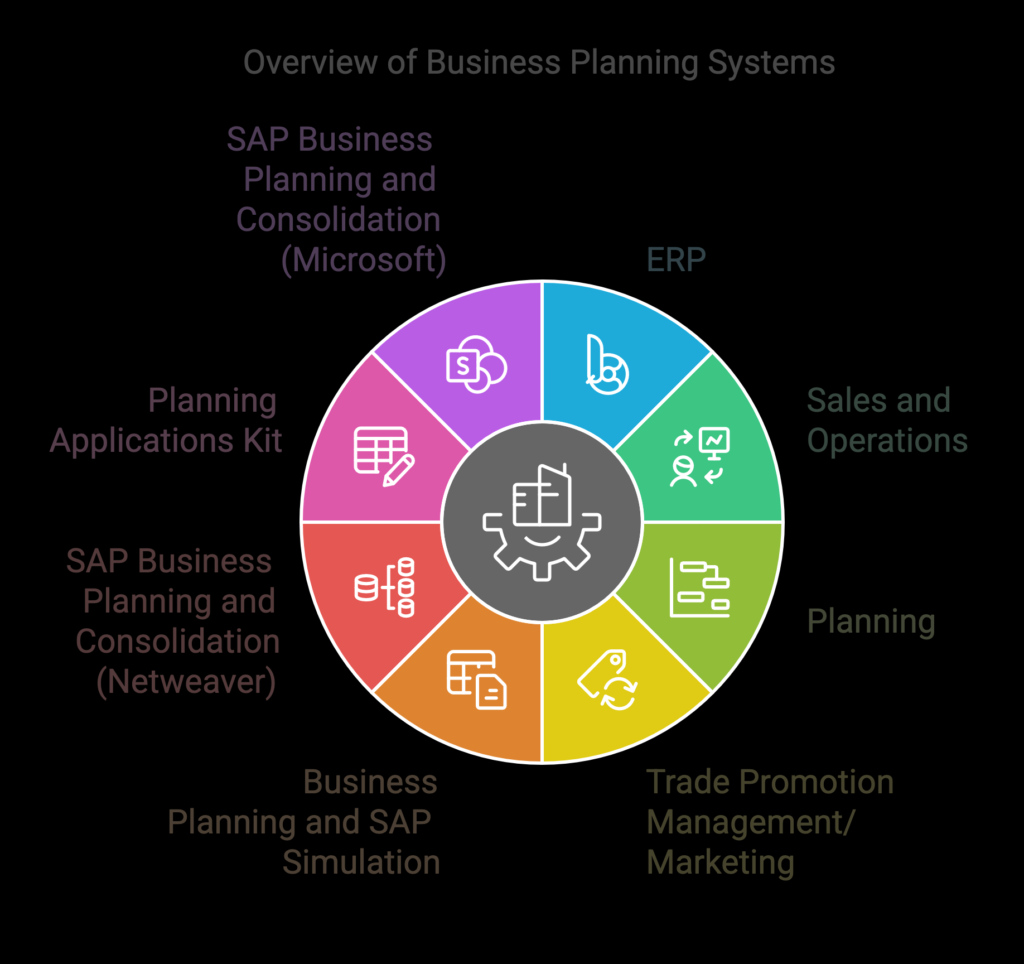
SAP BPC Versions Explained
Many organizations researching SAP BPC get confused by the different deployment models.
SAP BPC for NetWeaver
1This is the most widely adopted enterprise version.
Key advantages:
- Deep SAP BW integration
- Strong scalability
- Better enterprise governance
- Suitable for large SAP landscapes
SAP BPC for Microsoft
This version was designed for Microsoft SQL Server environments.
It offered:
- Strong Excel integration
- Easier deployment for Microsoft-centric companies
However, adoption declined as SAP focused more heavily on HANA and cloud ecosystems.
Embedded Model
The embedded model integrates directly with SAP BW/4HANA.
Benefits include:
- Real-time planning
- Advanced calculations
- Improved HANA performance
- More flexible modeling
This version is usually preferred in modern SAP architectures.
Common SAP BPC Implementation Challenges
Many projects fail because organizations underestimate data governance complexity.
The most common issues include:
Poor Master Data Management
Inconsistent entity structures create reporting errors.
Companies must standardize:
- Cost centers
- Profit centers
- Account hierarchies
- Business dimensions
Overly Complex Script Logic
Some implementations become difficult to maintain because consultants create excessive custom logic.
Best practice is keeping:
- Business rules simple
- Calculations documented
- Workflows standardized
Performance Problems
Large models can become slow if poorly designed.
Optimization usually involves:
- Data partitioning
- HANA optimization
- Query tuning
- Reducing workbook complexity
Companies with large datasets often prioritize performance tuning after go-live.
SAP BPC vs SAP Analytics Cloud (SAC)
This is one of the biggest questions in 2026.
SAP Analytics Cloud is SAP’s strategic cloud planning platform, while SAP BPC remains heavily used in on-premise environments.
SAP BPC Strengths
- Mature consolidation engine
- Deep SAP ERP integration
- Strong governance controls
- Suitable for complex enterprise structures
SAC Strengths
- Cloud-native architecture
- Faster deployment
- Modern dashboards
- AI-assisted forecasting
- Better collaboration features
Many enterprises now operate hybrid environments where:
- SAP BPC manages consolidation
- SAC handles analytics and planning
This transition strategy reduces migration risks.
Image 2: SAP BPC vs SAP Analytics Cloud Comparison
Industries That Commonly Use SAP BPC
Manufacturing
Used for:
- Production forecasting
- Supply chain budgeting
- Cost allocation
Banking and Financial Services
Used for:
- Regulatory reporting
- Multi-entity consolidation
- Risk-adjusted forecasting
Retail
Used for:
- Store-level planning
- Seasonal forecasting
- Margin analysis
Healthcare
Used for:
- Department budgeting
- Operational cost management
- Compliance reporting
These industries usually require strong auditability and structured financial governance, which aligns with SAP BPC’s strengths.
SAP BPC Skills Still in Demand
Despite SAP’s cloud push, SAP BPC expertise remains valuable in enterprise consulting and finance transformation projects.
Companies still hire:
- SAP BPC consultants
- SAP BW specialists
- Finance transformation analysts
- SAP EPM architects
The most requested skills include:
- SAP FI/CO
- BW modeling
- Script Logic
- EPM reporting
- SAC migration planning
Organizations rarely migrate complex finance systems quickly. Many enterprises continue operating SAP BPC environments while modernizing gradually.
Is SAP BPC Still Relevant in 2026?
Yes, especially for large enterprises with mature SAP ecosystems.
Many organizations invested heavily in:
- Consolidation models
- Financial governance
- Compliance workflows
- SAP BW integrations
Replacing these systems entirely can take years.
However, SAP’s long-term innovation focus is increasingly centered on:
- SAP Analytics Cloud
- SAP Datasphere
- Cloud-based planning
As a result, many companies are now evaluating phased migration strategies instead of immediate replacement.
Final Thoughts
SAP BusinessObjects Planning and Consolidation remains a critical enterprise finance platform for organizations that require structured budgeting, forecasting, and financial consolidation.
Its biggest strengths are:
- Centralized planning
- Enterprise-scale consolidation
- SAP ecosystem integration
- Audit-ready financial controls
The platform is most effective in large organizations managing complex reporting structures across multiple entities and regions.
At the same time, finance technology is shifting toward cloud-first planning platforms. Companies evaluating SAP BPC today should also assess how it fits into their long-term SAP Analytics Cloud strategy.
For enterprises already running large SAP landscapes, SAP BPC still provides operational value when properly optimized, governed, and integrated into broader finance transformation initiatives.