




The Cultural Legacy of Hawaiian Music
Hawaiian music is the living heartbeat of Native Hawaiian culture, encompassing ancient mele (chants) and hula that preserve history, genealogy, and spiritual connections to the ‘āina (land), blended with Western instruments like the ukulele and slack-key guitar to create a globally influential sound that embodies aloha, resilience, and storytelling. Its legacy continues through modern artists who bridge tradition with contemporary expression, shaping Pacific music and American genres.
Origins and Traditional Foundations
Hawaiian music traces roots back over a thousand years to Polynesian voyagers who brought oral traditions of chanting and dance. Before European contact, music was primarily vocal and percussive, serving religious, ceremonial, and educational purposes.
Mele and Oli: The Voice of Ancestry
Mele are poetic chants divided into categories like mele pule (prayer chants), mele ko’ihonua (genealogical chants), and mele inoa (name chants). Oli are unaccompanied vocal performances with intricate microtonal inflections and kaholo (rhythmic swaying). These forms transmitted mo’olelo (stories), kapu (taboos), and knowledge across generations without written language.
Hula complemented mele, with hula kahiko (ancient hula) featuring vigorous movements, percussion, and sacred elements. Instruments included the ipu heke (double gourd drum), pahu (sharkskin drum), ‘uli’uli (feathered gourd rattle), and kāla’au (wooden sticks).
Also See : YouTube to MP4: Best Quality Settings & Easy Fixes
Instruments That Define Hawaiian Sound
European contact in the late 18th century introduced new elements, leading to innovative fusions.
The Ukulele: Jumping Flea of Joy
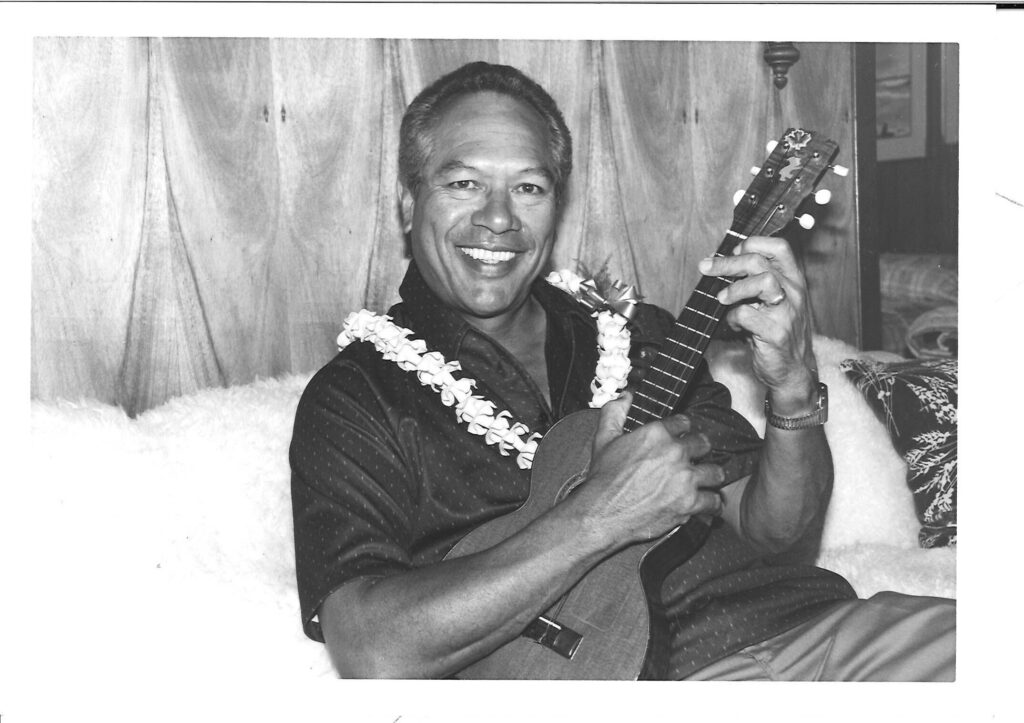
Portuguese immigrants arrived in 1879 with the braguinha (cavaquinho). Hawaiians adapted it into the ‘ukulele (“jumping flea”), named for the rapid finger movements. It became central to Hawaiian music by the early 20th century, prized for its portability and bright tone. King Kalākaua promoted it during the Hawaiian Renaissance.
Slack-Key Guitar (Kī Hō’alu): Soul of the Islands
Mexican paniolo (cowboys) introduced guitars in the 1830s. Hawaiians developed open tunings (“slack key”) allowing thumb bass lines, melody, and harmony simultaneously on one instrument. Tunings like Taro Patch (open G) evoke the islands’ natural rhythms. Masters like Gabby Pahinui elevated it during the 1970s Hawaiian Renaissance.
Steel Guitar: Global Export
Joseph Kekuku invented the Hawaiian steel guitar around 1889 by sliding a metal bar on frets. Its gliding, vocal-like tones exploded in popularity, influencing country, blues, and rock. By 1915, Hawaiian records outsold other genres in the U.S.
Percussion and Other Traditions
Traditional implements like the pū’ili (bamboo rattle) and ‘ohe hano ihu (nose flute) persist alongside modern additions.
Historical Evolution and Key Periods
Hawaiian music evolved through distinct phases.
- Pre-Contact to Missionaries (pre-1820s): Purely indigenous chant and hula.
- Monarchy Era (19th century): King David Kalākaua and Queen Liliʻuokalani championed composition. Liliʻuokalani wrote “Aloha ‘Oe.” Himeni (hymns) blended with native styles.
- Early 20th Century Craze: Touring troupes popularized hapa haole (half-foreign) songs with English lyrics. Steel guitar and ukulele became worldwide sensations.
- Hawaiian Renaissance (1970s): Gabby Pahinui, The Sons of Hawaii, and others revived language and traditions amid cultural resurgence.
- Contemporary Era: Fusion with reggae (Jawaiian), hip-hop, and global sounds.
Global Influence and Cultural Impact
Hawaiian music profoundly shaped American and Pacific sounds. Hawaiian steel guitar influenced early country (e.g., via Jimmie Rodgers) and blues slide techniques. It helped birth modern fiddle in bluegrass.
Peter Manuel noted Hawaiian music as a “unifying factor” in modern Pacific musics. Touring artists like Tau Moe spread the sound globally in the 1920s-1930s.
Data-Backed Reach: In the 1910s-1920s, Hawaiian music dominated U.S. sales. Today, artists like Israel Kamakawiwo’ole (“Bruddah Iz”) have billions of streams, with “Somewhere Over the Rainbow” introducing new generations to the legacy.
People Also Ask: Common Questions Answered
What is the significance of music in Hawaiian culture?
Music is inseparable from identity, serving as oral history, spiritual practice, and social glue. It connects people to ancestors, land, and each other, embodying aloha (love, compassion, mutual regard). Chants and songs document voyages, battles, and daily life.
How has colonization affected Hawaiian music?
Missionaries suppressed hula and chant as “heathen,” introducing hymns that Hawaiians adapted creatively. Overthrow of the monarchy (1893) and language bans accelerated shifts to English and hapa haole styles for survival and tourism. The 1970s Renaissance countered this with language revitalization.
What are the main genres of Hawaiian music today?
- Traditional/Mele Hula: Chant-based.
- Slack Key and Acoustic: Intimate, storytelling.
- Hapa Haole: Popular, English-infused.
- Jawaiian/Contemporary: Reggae, rock, hip-hop fusions (e.g., Sudden Rush, J Boog).
- Hawaiian Renaissance Classics: Gabby Pahinui, Keola Beamer.
Who are the most influential Hawaiian musicians?
- Historical: Queen Liliʻuokalani, Joseph Kekuku, Johnny Noble.
- Mid-Century: Gabby Pahinui, Andy Cummings.
- Modern Icons: Israel Kamakawiwo’ole, Kealiʻi Reichel, Makana, Kuana Torres Kahele.
How can visitors experience authentic Hawaiian music?
Attend luaus, Merrie Monarch Festival (hula competition), ukulele festivals, or slack-key concerts. Respect protocols: learn basic Hawaiian phrases, support Native-led events, and avoid cultural appropriation.
Key Artists and Their Contributions
Queen Liliʻuokalani (1838-1917): Last reigning queen and prolific composer of over 150 songs, including the farewell anthem “Aloha ‘Oe.” Her work preserved dignity amid political turmoil.
Gabby Pahinui (1921-1980): “Father of the Modern Slack Key Movement.” His recordings revived the tradition and inspired the Renaissance.
Israel Kamakawiwo’ole (1959-1997): His medley of “Over the Rainbow/What a Wonderful World” (1993) went viral posthumously, with over a billion views. He advocated for Hawaiian sovereignty through music.
Modern Voices: Artists like Kaumakaiwa Kanakaole blend ancient chant with contemporary production, while slack-key masters like Jeff Peterson innovate tunings.
Preservation Efforts and Modern Relevance
Organizations like the Hawaiian Music Hall of Fame, Bishop Museum, and the Hawaiian Academy of Recording Arts document and promote the legacy. Language immersion schools (Pūnana Leo) integrate mele. Festivals such as the King Kamehameha Hula Competition sustain hula. More on Wikipedia.
In the digital age, streaming platforms amplify reach, but challenges include tourism commodification and climate threats to cultural sites. Artists use music for environmental advocacy and sovereignty discussions.
Statistics on Impact: Hawaiian music influenced thousands of recordings worldwide. Slack key has dedicated festivals and instructional traditions passed generationally. Ukulele sales surged globally, with millions playing the instrument inspired by Hawaiian styles.
The Enduring Aloha Spirit in Music
Hawaiian music’s legacy lies in its adaptability without losing essence. It teaches harmony with nature, community, and history. Whether a quiet slack-key ballad under the stars or a vibrant hula performance, it invites connection.
From ancient voyagers’ chants to stadium-filling anthems, Hawaiian music remains a powerful vessel for cultural resilience and global goodwill. Its future depends on active stewardship by kama’āina (natives) and respectful appreciation by all who encounter its aloha.




[…] – 23Jun2026 News The Complete History of the Ukulele: Origins and Evolution News Hawaiian Music Cultural Legacy: History & Impact […]