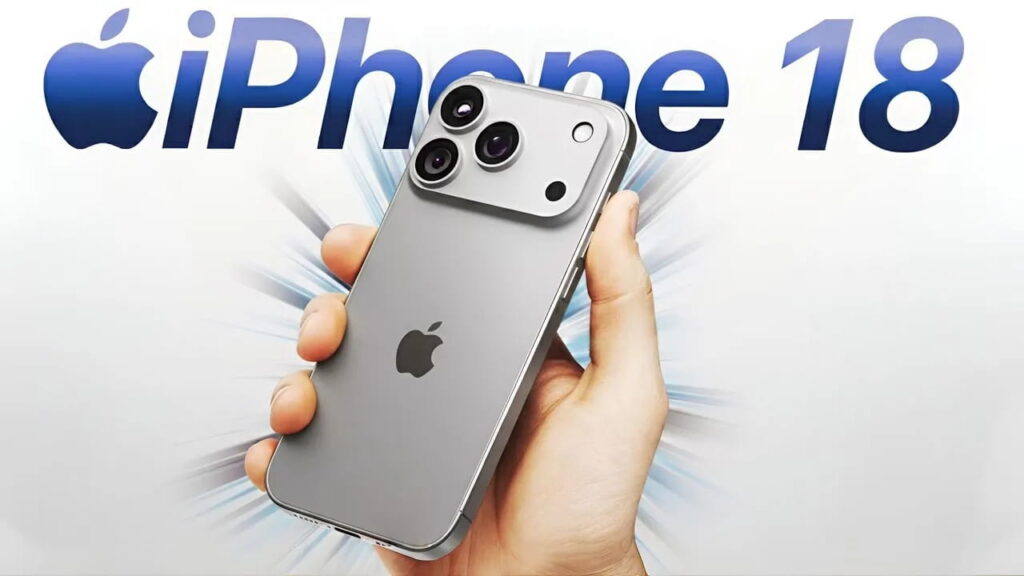

The iPhone 18 release strategy is expected to follow a September 2026 launch window, with a four-model lineup (Standard, Plus, Pro, Pro Max/Ultra) and stronger AI-focused hardware differentiation. Apple is likely to continue its Pro-first innovation strategy, where top features (chip, camera, AI processing) arrive on premium models first. Pricing will likely remain tiered, starting near current levels but pushing higher margins through Pro upgrades.
The biggest shift is not design—it’s performance segmentation and AI integration. Apple is expected to double down on on-device AI, powered by a newer chip architecture, while keeping base models slightly behind to encourage upsells. Supply chain diversification (India + Vietnam) will also shape availability and early stock.
This matters for buyers. If you are planning an upgrade, the strategy suggests waiting makes sense only if you want AI-driven features or Pro-level camera upgrades. Otherwise, current models may still offer better value.
Apple’s Release Pattern: What the Data Shows
Apple has followed a consistent September launch cycle for over a decade, with minor disruptions during global supply issues. From iPhone 12 to iPhone 15, launches stayed within a 2–3 week window in September.
However, a key shift has emerged. Apple increasingly staggers features, not release dates. Pro models now receive major upgrades first, while standard models adopt them a year later.
This pattern aligns with Apple’s revenue strategy. According to publicly reported earnings, Pro models contribute a disproportionate share of revenue despite lower unit volume. That’s why the iPhone 18 strategy will likely continue this separation.
This leads directly to how the lineup will be structured.
Expected iPhone 18 Lineup Strategy
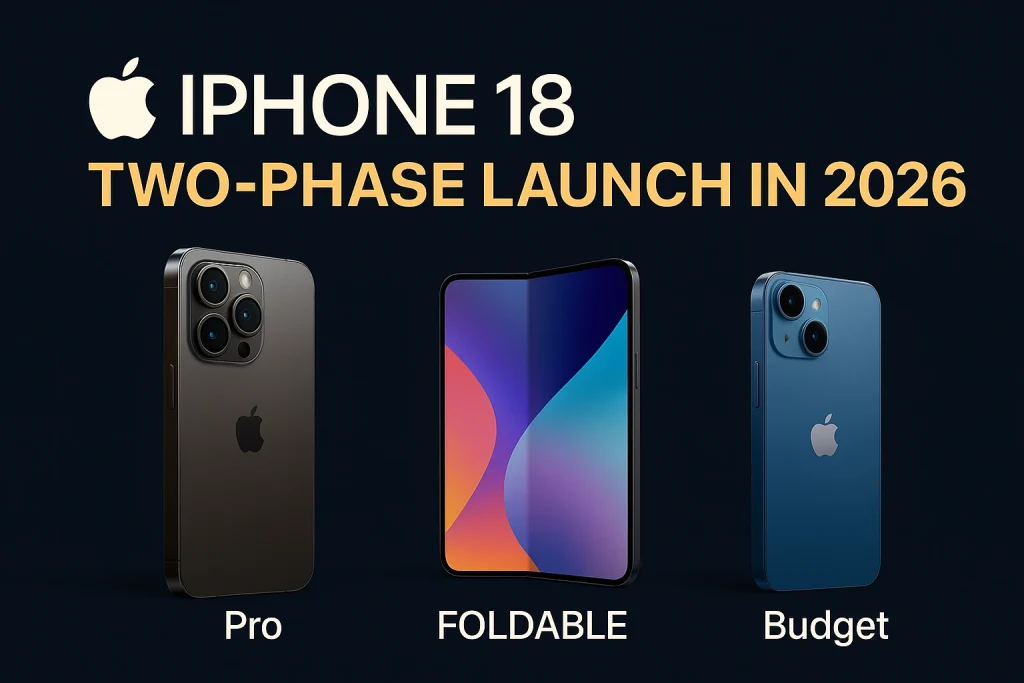
The iPhone 18 lineup is expected to include:
- iPhone 18 (Standard)
- iPhone 18 Plus
- iPhone 18 Pro
- iPhone 18 Pro Max (or Ultra variant)
The key difference will not be size—it will be capability gaps.
Pro models will likely include:
- Newer chip (A19 or A20 Pro variant)
- Advanced camera hardware (periscope zoom refinement)
- Higher-end display tech
Standard models will likely:
- Use a previous-generation chip
- Retain solid but less advanced camera systems
This segmentation is intentional. It pushes users toward higher-margin devices.
Chip Strategy: Performance as a Sales Tool
Apple’s chip strategy has become the core of its release model.
For iPhone 18:
- Pro models are expected to feature the newest chip architecture
- Standard models may use a slightly older version
This is not a limitation—it’s a strategy.
Apple uses chips to:
- Differentiate performance clearly
- Introduce AI features that require newer hardware
- Improve battery efficiency without increasing size
The shift toward on-device AI processing will likely define this generation. This aligns with broader trends in Artificial Intelligence, where local processing improves privacy and speed.
Design & Hardware Strategy
The iPhone 18 is unlikely to introduce a radical redesign. Apple typically follows a 3–4 year design cycle.
Expected changes include:
- Minor refinements in weight and materials
- Continued use of titanium or similar alloys
- Incremental camera improvements
A foldable iPhone is still uncertain for this generation. Most supply chain reports suggest it is not yet ready for mass release at Apple scale.
This shows a pattern: Apple prioritizes stability over experimentation in major releases.
Software Strategy: iOS as a Differentiator
Hardware alone does not drive upgrades. Apple relies heavily on software integration.
The iPhone 18 will launch alongside a new version of iOS, likely featuring:
- AI-powered system tools
- Smarter Siri capabilities
- On-device automation features
Some of these features may be exclusive to newer chips, reinforcing hardware upgrades.
This is a classic Apple approach—software features that require hardware upgrades.
Pricing Strategy Breakdown
Apple is expected to maintain its tiered pricing model:
- Standard models: entry-level pricing stability
- Pro models: incremental price increases
Key pricing drivers:
- Rising component costs
- Advanced chip manufacturing
- Currency fluctuations in global markets
Apple uses psychological pricing effectively. The base model anchors affordability, while Pro models drive profit margins.
Supply Chain & Production Strategy
Apple’s supply chain has changed significantly in recent years.
For iPhone 18:
- Increased production in India
- Reduced reliance on China
- Expanded manufacturing in Vietnam
This diversification reduces risk. It also impacts availability.
Historically:
- Pro models face early shortages
- Standard models are widely available
This pattern is likely to continue.
Marketing & Launch Strategy
Apple’s launch strategy is highly structured.
Expected timeline:
- Announcement: Early September
- Pre-orders: Within 3–5 days
- Shipping: Within 1–2 weeks
Marketing focus will likely include:
- Camera improvements
- AI capabilities
- Performance gains
Apple avoids feature overload in messaging. Instead, it highlights 2–3 key upgrades clearly.
Competitive Positioning
The iPhone 18 will compete directly with flagship Android devices.
Key competitors include:
- Samsung Galaxy S series
- Google Pixel lineup
Apple’s advantage remains its ecosystem. Integration across devices and services creates high switching costs.
For context, the broader smartphone market is detailed on Wikipedia, showing how Apple consistently positions itself at the premium end.
Buyer Strategy: Should You Wait for iPhone 18?
You should consider waiting if:
- You want AI-driven features
- You plan to buy a Pro model
- You are using an older device (3+ years old)
You may not need to wait if:
- You are upgrading from a recent model
- You don’t need advanced camera or AI features
Timing matters:
- Launch prices are highest
- Discounts appear after 2–3 months
Risks & Uncertainties
Several factors could affect the iPhone 18 strategy:
- Supply chain disruptions
- Regulatory pressures in key markets
- Delays in AI feature development
Apple typically mitigates these risks, but they can still impact availability and features.
Expert Insights & Industry Direction
Industry analysts consistently highlight two trends:
- AI integration will drive future upgrades
- Hardware differences between models will increase
The iPhone 18 fits both trends.
Apple is moving toward:
- Smarter devices
- More segmented product tiers
- Higher reliance on software ecosystems
Final Takeaways
The iPhone 18 release strategy is not about dramatic change. It is about refinement and controlled differentiation.
Key points:
- September 2026 launch is highly likely
- Pro models will lead innovation
- AI features will define the upgrade cycle
- Pricing will continue to favor premium models
For buyers, the decision is simple.
Upgrade for capability gains, not just a new model year.
If those gains matter to you, waiting makes sense. If not, current models remain a practical choice.