




AR glasses moved from prototypes to practical tools in early 2026. XReal One Pro delivers the widest 57° field of view for virtual screens that stay anchored in space. RayNeo Air 4 Pro adds HDR10 support and 120Hz refresh at $299, solving blurry dark scenes in travel or work. Meta’s Ray-Ban Gen 2 hit 7 million units sold in 2025, proving demand for lightweight wearables under 50 grams with all-day battery.
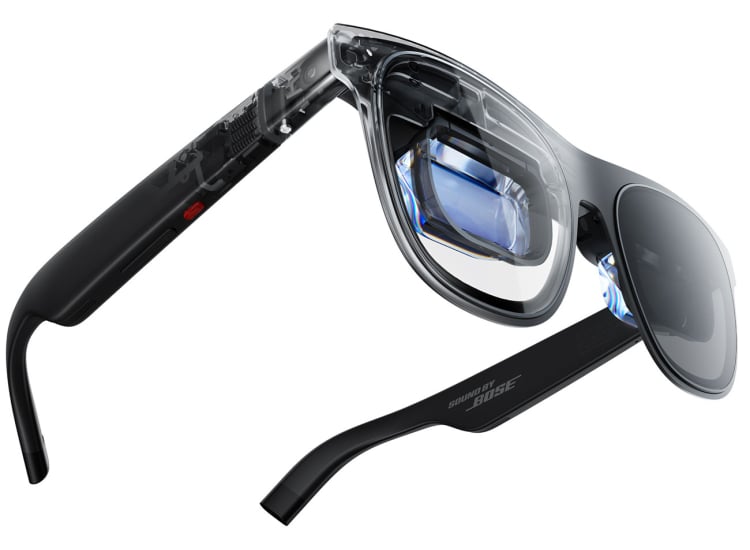
XREAL One Pro AR Glasses Large (IPD 66-75mm) – X1112-L
The XR market grew 44.4% in 2025, driven almost entirely by smart glasses. Suppliers like North Ocean Photonics ramped up waveguides for over 200,000 units this year. These numbers show real supply-chain maturity, not just hype.
Early models fixed the biggest complaints: neck strain from phones, short battery life, and poor prescription fit. Current options now run 8+ hours, weigh under 80 grams, and include focus dials or inserts up to -12 diopters.
Visit for More Tech News : Global Technical Regulations GTRs: Complete 2026 Guide
Latest AR Glasses Launches in Q1-Q2 2026
XReal One Pro tops most tests right now. It pairs a 1080p prism display with 3DOF tracking that locks virtual desktops in place. Travelers use it to replace laptops on flights without looking down. The optional 6DOF camera accessory adds spatial awareness for basic AR overlays.
RayNeo Air 4 Pro launched at CES 2026 and quickly became the budget pick. Its HueView 2.0 micro-OLED hits 1200 nits perceived brightness with HDR10. Bang & Olufsen speakers cut audio leakage, and the included light blocker turns any seat into a private theater. At 2.7 ounces, it sits comfortably for full workdays.

TCL releases RayNeo Air 4 Pro smart glasses for $249 | Mashable
Meta expanded its lineup with Oakley Meta HSTN and refreshed Ray-Ban Meta Gen 2. These focus on AI capture and voice assistance rather than full displays. The 12MP camera records 3K video in low light while the improved Meta AI handles live translations and object identification.
Viture Luma Pro targets nearsighted users with built-in focus dials up to -4.0. It keeps edges sharp where other models blur at high resolution. Even Realities G2 offers a discreet monochrome HUD controlled by a ring, ideal for minimalists who want notifications without pulling out a phone.
Google’s Project Aura prototypes, running Android XR, showed wireless single-eye displays with Gemini AI for maps and Uber overlays. Full release is expected later this year and could cut the constant phone-checking habit.
Major Tech Breakthroughs Solving Everyday Problems
Waveguide and micro-OLED advances from suppliers like Lumus and North Ocean Photonics now deliver brighter 1080p+ without adding bulk. Real-world tests show 700-1200 nits handles outdoor use better than last year’s models.
Battery tech reached 8-10 hours of mixed use in tethered setups. Electrochromic dimmable lenses block distractions instantly. On-device AI chips keep processing local for privacy—no constant cloud uploads.
Prescription compatibility improved across the board. Viture’s dials and third-party inserts cover most common vision issues. Live captions and real-time translation overlays now help hearing-impaired or non-native speakers without extra apps.
These fixes address the exact pain points that kept AR glasses niche before 2026: weight, heat, short runtime, and vision incompatibility.
AR vs. AI Glasses: Quick Decision Matrix
True AR models like XReal and RayNeo project large virtual screens for productivity and media. AI-only glasses like Meta Ray-Ban Gen 2 excel at hands-free capture, calls, and contextual AI help.
| Need | Best Choice | Why It Fits |
|---|---|---|
| Virtual monitors | XReal One Pro | 57° FOV + anchored tracking |
| Budget travel cinema | RayNeo Air 4 Pro | HDR10 + light blocker |
| Discreet notifications | Even Realities G2 | Monochrome HUD + ring |
| Social capture + AI | Meta Ray-Ban Gen 2 | 7M units sold, stylish |
| Sports integration | Oakley Meta HSTN | Waterproof + Garmin data |
Pick based on your main use case. Most users start with one AR pair for screens and keep AI glasses for daily wear.
2026 Buying Guide: What to Buy Now
Go for the XReal One Pro at $649 if you want top-tier immersion and don’t mind the price. It handles productivity and light gaming better than anything else available.
Budget buyers should grab the RayNeo Air 4 Pro at $299. The HDR upgrade and audio improvements make it the strongest value in tests from PCMag and Tom’s Guide.
Skip heavy VR users—full standalone AR like Snap Specs or refined Meta Orion prototypes arrive later in 2026 or 2027.
Check compatibility before purchase: Android and iOS pairing works smoothly on all listed models. Prescription options are widely available. Return policies from Amazon and direct sites cover most fit issues.
Future Timeline and Realistic Outlook
Q4 2026 will bring more consumer waves, including potential Apple N100 updates and full Snap Specs release. 2027-2028 should see true all-day wireless AR from major players.
Privacy features improved with visible recording indicators and opt-in facial recognition. Regulations are catching up, but always review local laws on always-on cameras.
AR glasses won’t replace phones overnight. They solve specific problems—hands-free screens, quick info overlays, reduced device juggling—better than any other wearable right now.
FAQs
Are AR glasses worth it in 2026? Yes for frequent travelers, remote workers, or anyone tired of phone neck strain. ROI shows up fastest with productivity or entertainment use cases.
Battery life and heat fixed? Most models now last a full day with mixed use. Heat is minimal unless pushing gaming for hours.
Privacy concerns? Recording lights are standard. On-device processing reduces cloud risks compared to earlier generations.
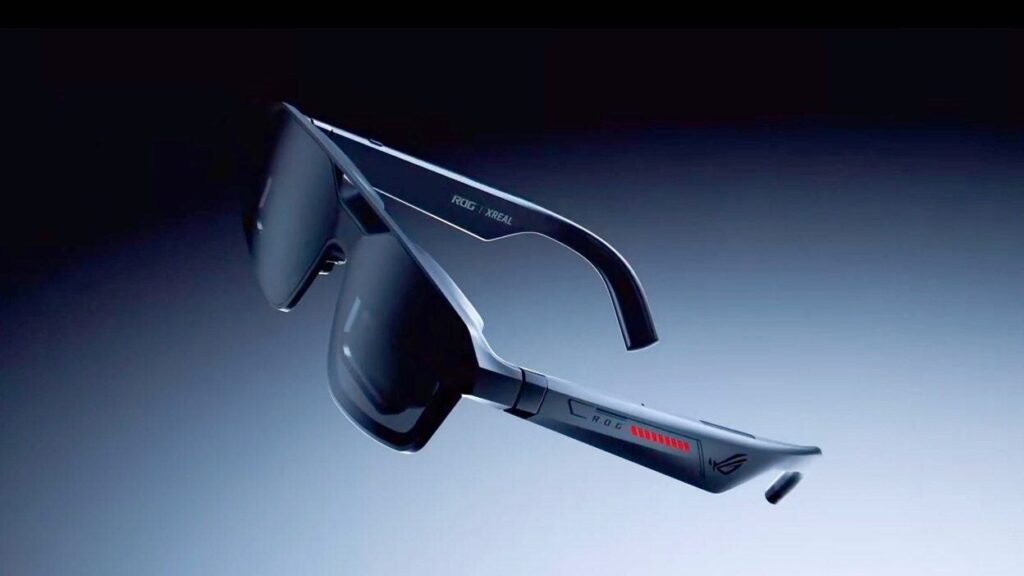
Best for gaming or productivity? XReal One Pro or ROG collab models for gaming. RayNeo or Viture for long work sessions.
How do they work with prescriptions? Focus dials or magnetic inserts handle most needs up to -12 diopters.
For deeper background on the technology, check the smartglasses page on Wikipedia.
This guide pulls together the latest launches, tested specs, and direct comparisons so you can decide what fits your needs without wasting time on outdated reviews. The space moves fast—check manufacturer sites for firmware updates that often add features like 3D conversion or better AI.





[…] atmosphere, it breaks down ozone molecules. This increases harmful UV radiation reaching Earth. Its ozone depletion potential (ODP) is significantly higher than modern […]
[…] AI’s 2026 updates focus on three areas: faster models, enterprise adoption, and on-device AI. The company has pushed new versions of Stable Diffusion, expanded into video and […]