
Football is the world’s most-watched sport, with around 3.5 billion fans globally. But “most watched” and “most favorite” aren’t the same thing.
A sport can dominate global viewership and still lose to a local favorite in daily life. Cricket beats football in India. Baseball beats football in Japan and Cuba. Basketball beats football in the Philippines.
This article separates the two ideas clearly: which sports people watch the most, and which sports people actually call their favorite. The difference matters if you’re trying to understand real sports culture, not just headline fan counts.
Most “most popular sports” lists rank by raw fan totals pulled from federations like FIFA or the ICC. That’s useful, but it hides a simpler truth: popularity is a measure of reach, while “favorite” is a measure of preference. A country can have millions of football viewers and still prefer cricket when asked directly. This article uses both data types so you get the full picture, not just the louder number.
People Also Read : Sports Physicals Near Me: Complete Guide, Affordable & School-Approved Exams
Popular vs. Favorite — Why the Numbers Don’t Match
Fan-count rankings count anyone who’s ever watched a match. Preference surveys ask a sharper question: “what’s your favorite sport?” These two methods often produce different winners.
GWI’s 2025 global survey found that 49% of people across 18 markets follow soccer, making it the top sport by reach. But the same data shows basketball leads in the Philippines, with 75% of fans tuning in over soccer.
This gap shows up everywhere once you look for it. Pakistan, India, Bangladesh, and Sri Lanka all rank cricket above football as their actual favorite, even though football has more global fans on paper.
So when a list claims “football is the world’s favorite sport,” it’s really saying “football has the most fans worldwide.” Those are different claims. This article tracks the second one.
Most Favorite Sports Globally, Ranked by Preference Data
Here’s how the top sports stack up when measured by stated preference rather than raw viewership numbers:
| Sport | Global Preference Share | Strongest Regions |
|---|---|---|
| Football/Soccer | 49% of surveyed fans | Europe, Africa, Latin America |
| Basketball | ~40% follow globally | USA, Philippines, China |
| Cricket | Dominant in South Asia | India, Pakistan, Bangladesh, Sri Lanka |
| Volleyball | ~33% follow globally | Brazil, Italy, Japan |
| Tennis | ~31% follow globally | Europe, USA |
| Table Tennis | 29% follow globally | China, broader Asia |
Football still leads by volume. But cricket’s fanbase is more concentrated and arguably more emotionally invested — match days affect schedules, weddings, and public holidays across South Asia.
That’s a different kind of “favorite” than passive viewership. It’s a sport woven into daily routine, not just watched during tournaments.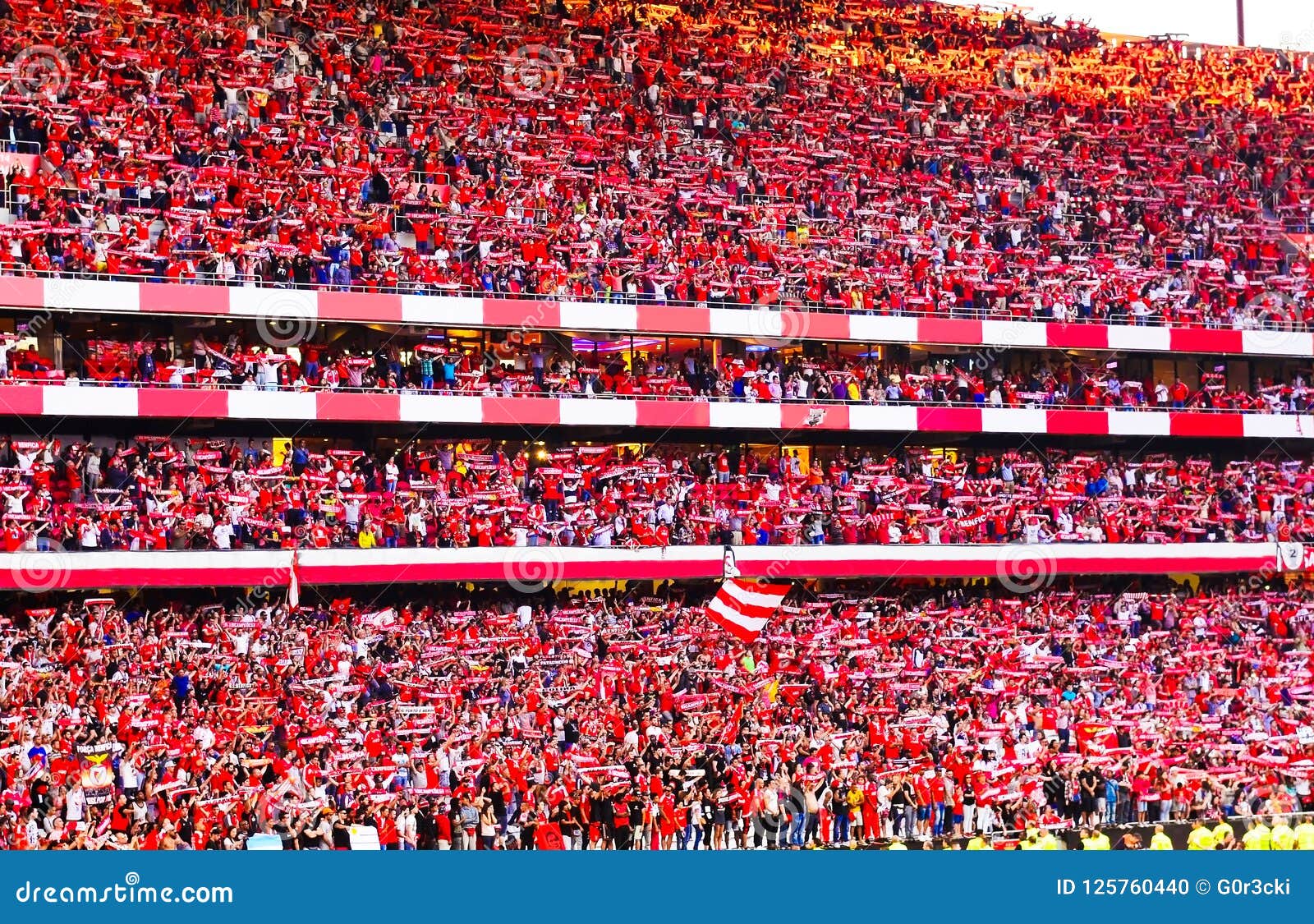 Dreamstime

Most Favorite Sport by Region — A Quick Reference
Global rankings flatten regional reality. Here’s what actually wins in each region, based on participation, viewership, and cultural weight combined.
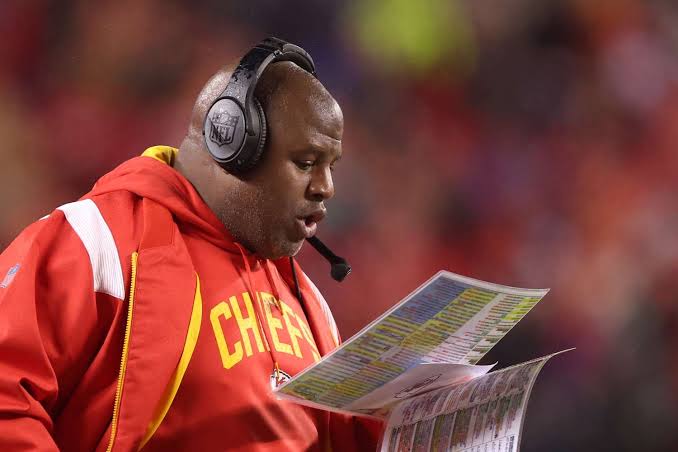
North America: American football leads in the US, with over 188 million fans tracking the NFL. Basketball and baseball follow close behind.
South Asia: Cricket is the undisputed favorite in India, Pakistan, Bangladesh, and Sri Lanka. It’s a colonial-era import that outgrew the country that introduced it.
Europe: Football leads almost everywhere, but rugby holds strong in the UK and France, and ice hockey dominates in parts of Scandinavia.
Latin America: Football rules most of the region, except Venezuela, Panama, and Nicaragua, where baseball is the top sport.
Southeast Asia: Basketball is the clear favorite in the Philippines. Football leads in Indonesia, Vietnam, and Thailand.
Africa: Football dominates almost every country, with over 80% of fans in nations like Nigeria and South Africa following it closely.
Oceania: Australia splits between Australian rules football and cricket. New Zealand and Pacific Island nations favor rugby.
This regional breakdown matters more than a single global ranking. If you’re asking “what’s the favorite sport” for business, research, or content purposes, the country-level answer is usually what you actually need.
Why Favorite Sports Shift Over Time
Sports preference isn’t fixed. Two forces are reshaping it right now, and most rankings don’t account for either.
Streaming and short-form content are pulling younger audiences toward fast, highlight-friendly sports. Basketball, combat sports, and esports benefit most from this shift, since they translate well into short clips.
Olympic cycles create temporary spikes for sports that otherwise stay quiet. Field hockey, gymnastics, and athletics all see four-year bursts of attention that fade once the Games end.
A ranking built on last year’s data can miss both trends entirely. That’s why preference data needs a timestamp, not just a number.
 People Also Read : Skype Vox: From VoIP to Global CommunicationDreamstime

Quick Answer: If You Only Need One Number
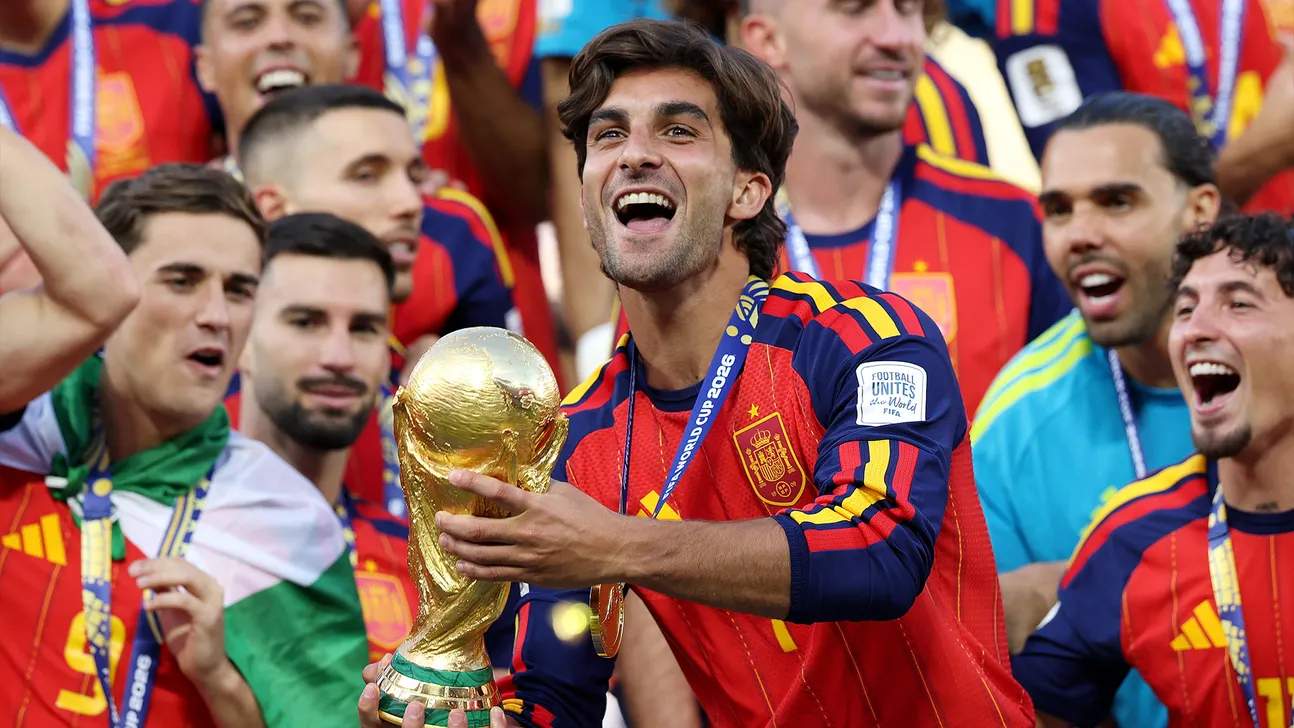
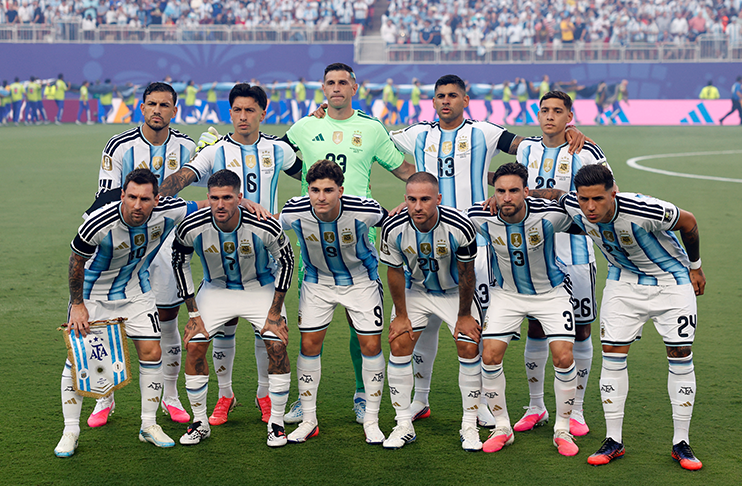
Football remains the most-followed sport worldwide, with roughly 3.5 to 4 billion fans across more than 200 countries. That’s the safest single answer if you need one.
But it’s not everyone’s favorite. Cricket leads by a wide margin across South Asia. Basketball leads in the Philippines and is rising fast among younger viewers worldwide. The “favorite” answer depends heavily on which country you’re asking about.
People Also Read : King Abdullah Sports City: Jeddah’s Iconic Stadium & Facilities
FAQs
Is football really everyone’s favorite, or just the most-watched?
It’s the most-watched by a wide margin, but not the favorite everywhere. Cricket, basketball, and baseball each beat football as the top preference in specific regions.
What’s the most popular sport that isn’t football?
Cricket, with an estimated 2.5 billion fans concentrated mainly in South Asia, the UK, and Australia.
Which sport has the most loyal, not just the biggest, fanbase?
Cricket fans in South Asia show unusually high engagement — match schedules influence weddings, work hours, and public holidays in India and Pakistan.
Is esports becoming a “favorite sport” by this definition?
It’s growing fast among viewers under 25, but it still trails traditional sports in total global preference share as of 2026 data.
Sources and Methodology
This article combines two data types: fan-count rankings from sports federations (FIFA, ICC, FIBA) and preference-survey data from GWI’s 2025 global consumer report. Regional breakdowns draw from country-level sports federation reporting and consumer survey data current through early 2026.
Where fan-count rankings and preference surveys disagreed, both numbers are shown rather than collapsed into one ranking — that’s the gap most existing articles on this topic skip over.