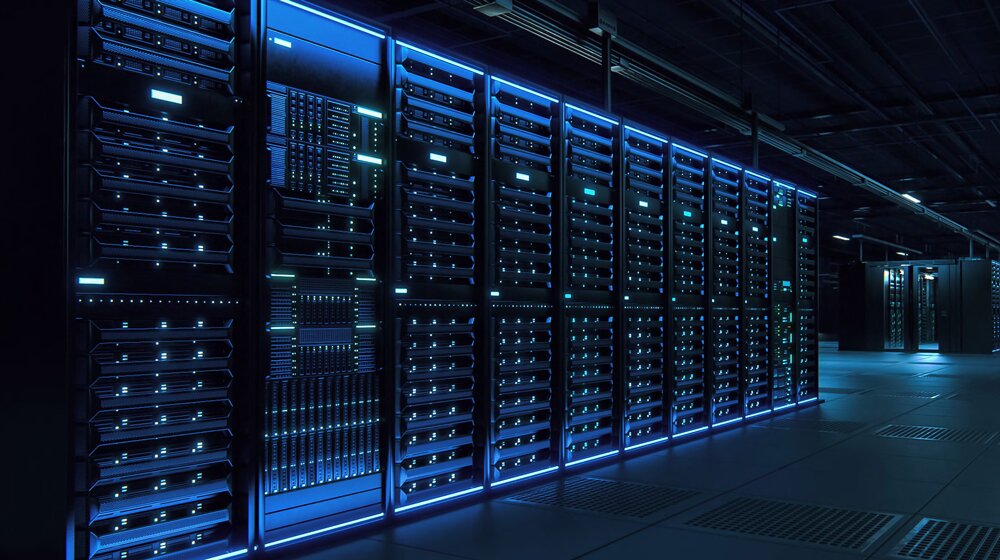

Data centers consumed around 415 TWh globally in 2024, or about 1.5% of world electricity. In 2025, demand surged 17%, with AI-focused facilities growing faster. The IEA projects this will reach 945 TWh by 2030 — more than double current levels and roughly Japan’s total annual electricity use.
In the US, data centers used about 176 TWh in 2023 (4.4% of national electricity). Projections show this rising to 325–580 TWh by 2028, potentially 6.7–12% of total US power. EIA forecasts record electricity demand growth through 2026–2027, driven largely by data centers — the strongest four-year increase since 2000.
This growth hits consumers through higher bills and strains local grids. Virginia already sees data centers taking over 25–40% of state electricity in key areas. Utilities in multiple states requested billions in rate hikes in 2025 to cover upgrades.
People Also Read : AI Models News 2026: Latest Releases & Benchmarks
Explosive Growth in Numbers
AI servers drive much of the increase. They could account for 44% of data center power use by 2030, up from lower shares today. Global data center electricity grows at about 15% per year recently — four times faster than overall electricity demand.
US hotspots include Virginia, Texas, Georgia, and emerging regions. Individual large projects now seek hundreds of megawatts to gigawatts. One proposed site in Utah targets 9 GW. Hyperscalers’ capital spending topped $400 billion in 2025 and rises further in 2026.
A single modern AI data center can match the electricity use of 100,000 homes. New facilities under development push even higher. This pace outruns grid connection queues in many markets.
Rising Bills and Grid Strain
Data centers drove roughly half of US electricity demand growth in recent periods. Utilities face hundreds of gigawatts in connection requests. Many projects stall or delay due to power availability.
Rate hikes follow. In 2025, utilities sought over $29 billion in increases — double the prior year. Residential bills rose in states like Georgia, Virginia, and parts of PJM territory. Some areas report jumps of 20% or more linked to data center-driven upgrades.
PJM Interconnection added billions in capacity costs. Northern Virginia customers feel the pressure as data centers consume large shares of local supply. Public surveys show many blame data centers for higher electricity prices.
Grid operators issued alerts on sudden load drops from data centers that risk instability. Peak demand forecasts rise sharply. Transmission and generation upgrades lag behind requests.
Environmental and Local Impacts
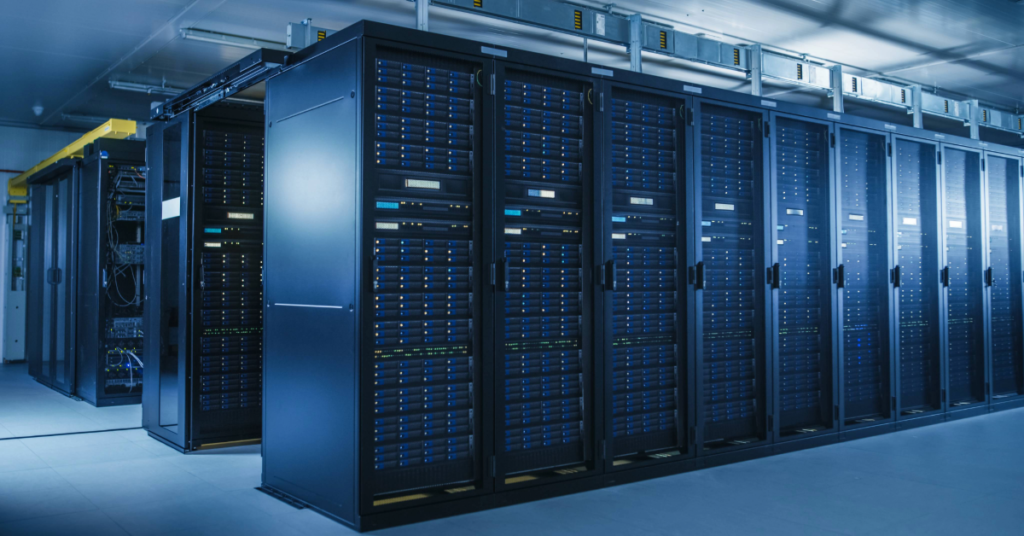
Higher energy use brings emissions questions. Many facilities rely on natural gas backups. Water consumption for cooling draws scrutiny in dry regions. Local groups in over 20 states oppose projects over land use, noise, and infrastructure strain.
Some proposals face moratoriums or blocks. Total stalled investment reached tens of billions in 2025. Foreign funding concerns add another layer of review in certain markets.
Featured Post : HR Tech News Today: Latest AI Hiring, Technology Updates
Efficiency Improvements Underway
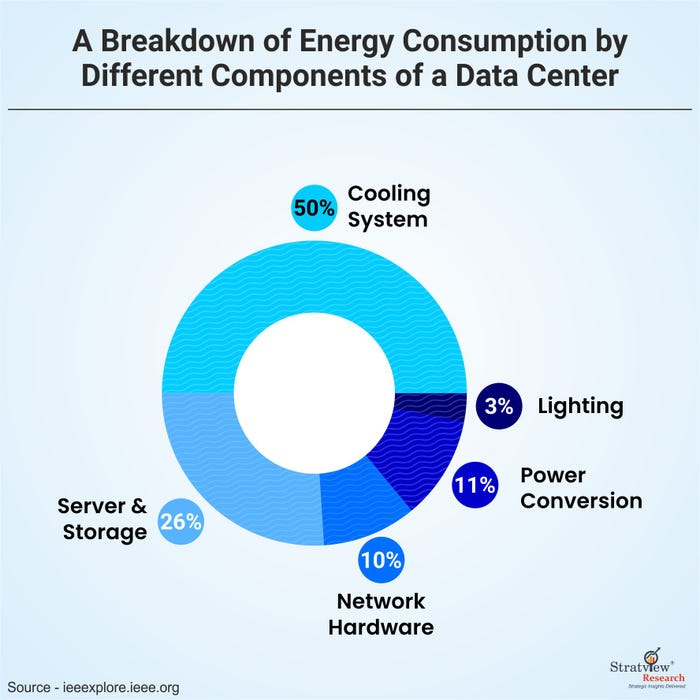
Operators cut waste where possible. Power Usage Effectiveness (PUE) continues to drop in new builds. Liquid cooling gains traction for high-density AI racks. Google reports significant liquid cooling deployment across its fleet.
Advanced chips and AI-optimized management software reduce energy per task. Some vendors claim 50% cuts in specific workloads. Demand response programs let facilities shift load during peak grid stress.
These steps help but do not fully offset the overall surge in compute demand.
Onsite Power and Alternative Solutions
Many operators turn to behind-the-meter generation. Natural gas plants pair with renewables in hybrids. Tech companies sign large power purchase agreements.
Nuclear gains interest for reliable baseload. Microsoft restarted Three Mile Island units. Amazon and others pursue deals with existing plants and small modular reactors (SMRs). SMRs offer factory-built scalability and high capacity factors ideal for 24/7 data center needs.
Waste heat from nuclear can support absorption cooling, boosting overall efficiency. Projects pair reactors directly with data halls to skip grid queues. Timelines remain a challenge — many SMR deployments target late 2020s or 2030s.
Policy and Market Outlook
Congress holds hearings on energy needs and grid modernization. Bipartisan interest grows in speeding permitting while addressing costs. EIA and IEA updates keep highlighting data centers as the top driver of demand growth.
Regions like ERCOT and PJM revise forecasts upward. Investment in transmission, storage, and new generation accelerates. Competition for power affects other sectors and residential affordability.
By 2030, data centers could represent 9–17% of US electricity in aggressive scenarios. Global share stays lower but still significant at around 3%.
latest In Ai Tech : Browser Agent Security Risks: Guide & How to Manage Them
Practical Takeaways for Readers
For IT and data center operators: Prioritize liquid cooling and efficiency metrics in RFPs. Evaluate colocation providers with strong power contracts. Consider onsite generation where grid access lags. Track PUE, water usage effectiveness (WUE), and carbon intensity.
For policymakers and locals: Push for transparent cost allocation so data center growth pays its share of upgrades. Support streamlined permitting for clean firm power like nuclear and advanced geothermal. Balance AI economic benefits with grid reliability.
Metrics to watch: Quarterly EIA electricity data, IEA AI energy updates, state utility commission filings, and hyperscaler sustainability reports.
Data center energy demand will keep rising with AI adoption. Efficiency gains, smarter siting, and new generation sources offer paths to manage impacts without halting progress. Staying informed helps everyone navigate the changes.
This space moves fast. Check sources like the International Energy Agency data centres page and EIA reports for latest figures. More on Wekipedia.