



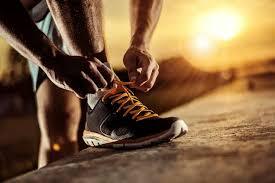

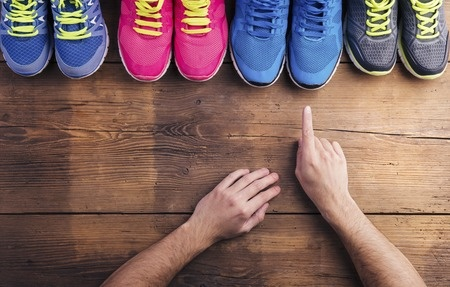
Choosing the wrong sports footwear reduces performance and increases injury risk.
Running shoes on a basketball court, or flat shoes for sprinting, create instability and wasted energy.
The right footwear matches movement pattern, surface, and load impact—this is where most users make mistakes.
Sports footwear directly affects force transfer, joint alignment, and traction.
Studies show that improper footwear contributes to up to 20–30% of lower-limb sports injuries, especially in running and court sports.
This is not about comfort alone. It is about mechanics, safety, and efficiency.
Now that the stakes are clear, the next step is understanding what makes sports footwear different and how to choose correctly.
What Footwear in Sport Actually Means
Sports footwear is designed for specific biomechanical demands.
Each sport has unique stress patterns—forward motion, lateral cuts, jumping, or sudden stops.
For example:
- Running = repetitive forward impact
- Basketball = lateral movement + jumping
- Football = traction on grass
A general-purpose shoe cannot handle all three effectively.
This is where targeted design matters—and why using the wrong type leads to problems quickly.
For a broader context of sports equipment classification, see this explanation on Wikipedia:
Why the Right Sports Footwear Matters
Performance gains from proper footwear are measurable.
Lightweight running shoes improve running economy by ~1% per 100g reduction.
That difference matters in both amateur and competitive levels.
Injury prevention is even more critical:
- Poor cushioning → shin splints
- Weak support → ankle sprains
- Wrong fit → blisters and toe injuries
Footwear also affects joint alignment.
Misalignment increases stress on knees and hips over time.
So the real question is not “which shoe looks good,” but
“which shoe matches your sport and movement pattern?”
Core Features That Define Sports Footwear
Understanding features helps you avoid marketing traps.
Each component has a functional role.
Cushioning Systems
Cushioning absorbs impact forces.
Materials include EVA foam, TPU, gel, and air units.
- Running → higher cushioning
- Sprinting → minimal cushioning for speed
Too much cushioning reduces ground feedback and slows response time.
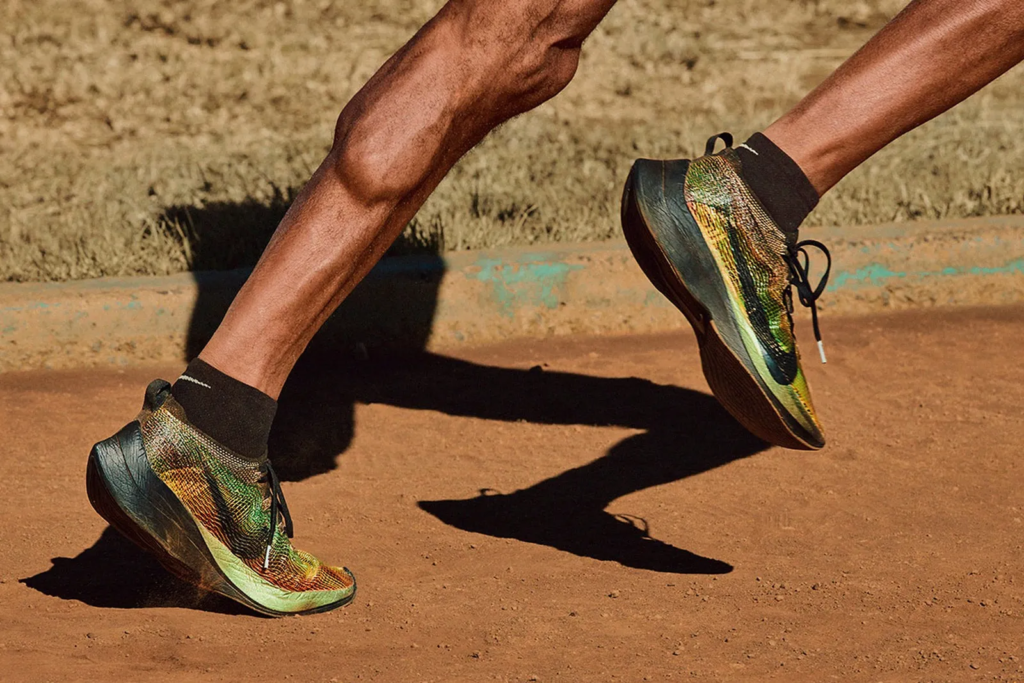
Traction and Outsole Design
Traction controls grip and movement.
- Court shoes → flat rubber outsole
- Football boots → studs
- Trail shoes → aggressive lugs
Using the wrong outsole reduces control and increases slipping risk.
Stability and Support
Support prevents excessive foot motion.
- Overpronation → needs stability shoes
- Neutral foot → flexible design works
This directly reduces injury risk in repetitive sports.
Fit and Lockdown
A secure fit improves power transfer.
Key points:
- Tight heel grip
- Enough toe space
- Proper lacing
Loose shoes waste energy.
Tight shoes cause pain and restrict movement.
Sport-Specific Footwear Guide
This is where most buying decisions fail.
Each sport demands a different setup.
Running Shoes
Designed for forward motion.
Types:
- Road running → smooth outsole
- Trail running → grip + protection
- Track spikes → maximum speed
Mistake: Using running shoes for gym workouts.
They lack lateral support.
Football / Soccer Cleats
Built for traction on grass or turf.
- Firm ground → molded studs
- Soft ground → metal studs
- Turf → rubber studs
Wrong studs increase slipping and knee injuries.
Basketball Shoes
Focus on lateral stability and impact protection.
- Cushioning for jumps
- Strong ankle support
High-tops do not guarantee safety.
Support comes from structure, not height alone.
Tennis / Court Shoes
Designed for side-to-side movement.
- Durable outsole
- Reinforced lateral support
Running shoes fail here due to weak side stability.
Training / Gym Shoes
Built for versatility.
- Flat sole → weightlifting
- Flexible sole → HIIT
Using soft running shoes for lifting reduces stability.
Common Buying Mistakes
Most users repeat the same errors.
- Choosing based on brand, not function
- Ignoring foot type
- Using one shoe for all activities
- Buying wrong size
Each mistake leads to performance loss or injury.
The solution is simple—but often ignored.
How to Choose the Right Sports Footwear
Follow a clear process.
Step 1: Identify your sport
Step 2: Match surface type
Step 3: Check foot arch (flat, neutral, high)
Step 4: Define goal (speed, comfort, stability)
Step 5: Test fit with movement
This removes guesswork and improves results.
Footwear and Injury Prevention
Proper footwear reduces common injuries:
- Shin splints → better cushioning
- Knee pain → correct alignment
- Achilles strain → proper heel support
Replace shoes after 500–800 km (running) or visible wear.
Worn-out shoes lose support and increase risk.
Technology Trends in Sports Footwear (2026)
Innovation is improving performance.
- Carbon plate shoes → improve running efficiency
- Smart shoes → track movement data
- Sustainable materials → eco-friendly without performance loss
Not every innovation suits every athlete.
Choose based on need, not trend.
Maintenance and Longevity Tips
Proper care extends performance.
- Clean with mild soap
- Avoid machine drying
- Rotate between pairs
Athletes often use multiple shoes to reduce wear.
Quick Comparison Table
| Sport | Key Feature | Sole Type | Support Level |
|---|---|---|---|
| Running | Cushioning | Flexible | Medium |
| Football | Traction | Studded | Medium |
| Basketball | Impact + Stability | Flat rubber | High |
| Tennis | Lateral support | Durable rubber | High |
| Gym | Stability | Flat | Medium |
Visual Guide: Types of Sports Footwear
Final Takeaway
Footwear in sport is not a minor detail.
It directly impacts performance, safety, and long-term joint health.
The key is simple:
- Match shoe to sport
- Match features to movement
- Replace when worn
Most problems start with the wrong choice.
Most improvements start with the right one.



[…] simple: get cleared for sports as quickly as possible. Most schools and youth leagues require a pre-participation physical exam (PPE) before allowing athletes to train or compete. Missing this step can delay […]