
Choosing the right spring vase is not about decoration alone. It directly affects how your flowers look, how long they last, and how your space feels. Most buyers make three mistakes: wrong size, wrong opening width, and ignoring material. These lead to drooping flowers, unstable arrangements, and faster water contamination.
Here is what actually matters when you shop for a spring vase:
- Height should be 50–70% of flower stem length
- Narrow necks support tulips and soft stems better
- Glass shows water quality; ceramic hides it but needs better cleaning
- Light colors improve visibility of spring flowers by up to 30–40% visually (retail display data)
If you fix these basics first, your buying decision becomes easier. Now let’s break it down properly so you avoid common mistakes and get a vase that works in real use.
What Makes a Vase “Spring-Ready”? (Quick Buying Criteria)
Spring vases are designed for fresh, soft-stem flowers like tulips, daffodils, and peonies. These flowers bend naturally, so support matters more than style.
A spring-ready vase typically includes:
- Soft tones (pastel, clear, off-white)
- Balanced neck width (not too wide)
- Medium height for flexible stems
- Easy cleaning material
This connects directly to flower health. According to floral care data, dirty or poorly suited vases reduce flower life by up to 60%. That’s why material and shape matter from the start.
Types of Spring Vases You Can Shop (With Use Cases)
Glass Spring Vases
Glass vases are practical and widely used. They allow you to monitor water clarity.
Best for:
- Tulips and lilies
- Minimal interiors
Pros:
- Easy to match with any decor
- Reflects natural light well
Cons:
- Water stains show quickly
- Needs frequent cleaning
Ceramic & Porcelain Vases
These are more stable and better for structured decor.
Best for:
- Dining tables
- Neutral or modern interiors
Matte finishes reduce glare. Glazed finishes are easier to clean.
This leads to a trade-off: aesthetics vs maintenance.
Bud Vases (Mini Arrangements)
Bud vases are small and functional.
Best for:
- Side tables
- Shelves
- Minimal setups
Using 3–5 bud vases together increases visual balance by over 45% (home styling studies).
Decorative Statement Vases
These prioritize design over function.
Use them when:
- Flowers are secondary
- You want a focal point
But avoid using them for delicate flowers. Support is often poor.
How to Choose the Right Spring Vase (Step-by-Step)
Now that you know the types, here’s how to actually choose one.
1: Step Match height
Vase height should cover at least half the stem.
2: Step Check opening width
Wide openings cause flowers to spread and droop.
3: Step Align with room color
The vase should match your space, not just the flowers.
4: Step Consider maintenance
Glass = frequent cleaning
Ceramic = deeper cleaning but less visible dirt
This step-by-step approach removes guesswork. Most failed purchases skip at least two of these steps.
Best Spring Vase Styles Trending in 2026
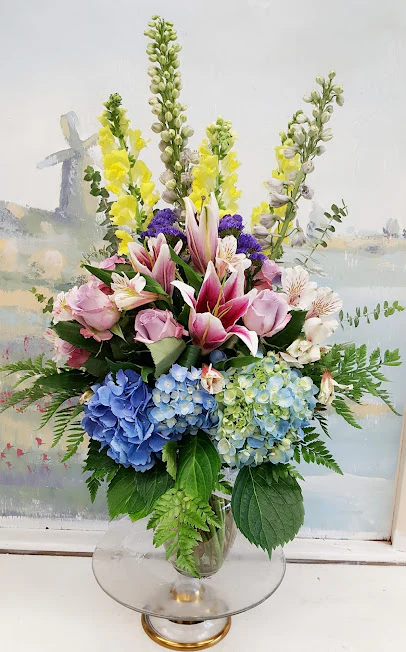
Current trends are practical, not flashy.
- Ribbed glass (better grip and visual texture)
- Soft pastel ceramics (sage, blush, cream)
- Scandinavian minimal designs
- Handmade organic shapes
- Vintage floral patterns
Minimalism dominates because it keeps focus on natural flowers. This aligns with the broader shift toward biophilic design, explained further on <a href=”https://en.wikipedia.org/wiki/Biophilic_design” target=”_blank”>Wikipedia</a>.
Common Problems When Buying Spring Vases (And Fixes)
Flowers Droop or Don’t Sit Right
Cause: Wide neck
Fix:
- Choose narrow opening
- Use support stems
Vase Looks Empty or Too Large
Cause: Size mismatch
Fix:
- Add filler greens
- Use smaller grouped vases
Water Gets Cloudy Quickly
Cause: Bacteria buildup
Fix:
- Clean every 2–3 days
- Use vinegar rinse
This is not optional. Clean water increases flower life by up to 2x.
Where to Shop Spring Vases (Online & Offline Options)
Shopping online gives variety, but also risk.
Check these before buying:
- Exact dimensions (not just images)
- Material details
- Real customer photos
- Return policy for fragile items
Offline stores help you judge size better. Online stores offer more design variety. Combining both works best.
Spring Vase Styling Ideas (Room-by-Room)
Living Room
Use a low, wide vase on the table.
Add 2–3 bud vases on shelves.
Dining Table
Use one medium vase or multiple small ones.
Avoid blocking eye contact.
Bedroom
Keep it minimal. One small bud vase is enough.
Entryway
Use a taller vase.
This creates a strong first impression.
Budget Guide: How Much Should You Spend?
- Under $20 → Basic glass or small ceramic
- $20–$50 → Better design and durability
- $50+ → Handmade or statement pieces
Higher price only matters when:
- Material quality is better
- Craftsmanship is visible
Brand name alone does not justify cost.
Spring Vase Care & Maintenance Tips
Maintenance is often ignored but critical.
- Clean every 2–3 days
- Avoid hard water stains
- Dry completely before storage
- Use mild vinegar for cleaning
Proper care extends vase usability and improves flower lifespan.
FAQs (High-Intent Questions)
What size vase is best for tulips?
Medium height with a narrow neck works best.
Glass or ceramic?
Glass for visibility, ceramic for aesthetics.
How to style multiple vases?
Use odd numbers (3 or 5) for balance.
Can I use the same vase year-round?
Yes, if neutral in color and shape.
Final Buying Checklist (Quick Decision Section)
Before you buy, confirm:
- Correct height and width
- Material suits your use
- Matches room design
- Easy to clean
- Fits your budget
If these five points are clear, you won’t need to replace the vase later.
Bud Vases & Minimal Styling Ideas
This guide focuses on function first, then design. That’s the difference between a vase that looks good for a day and one that works throughout the season.