



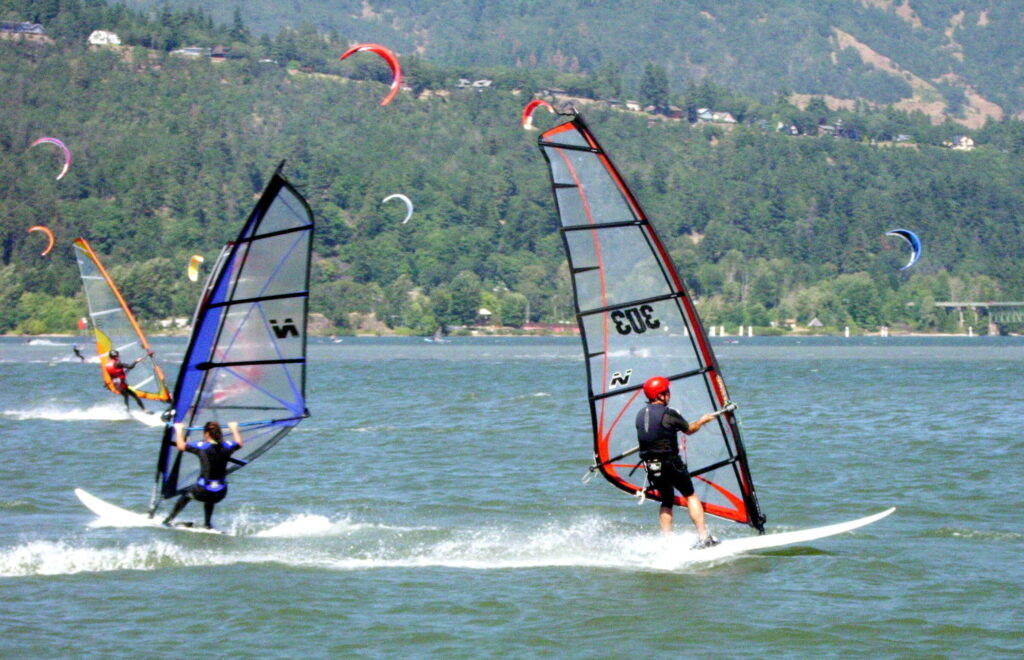

Sport windsurf uses a board and sail to harness wind on water. Riders stand, grip the boom, and steer by shifting weight and sail angle. It fits ages 8 to 70 and starts at 30 kg body weight. A 130-pound rider burns 177 calories per hour in light wind. Stronger conditions raise that to 300-plus. Experts reach 1,000 calories per hour. Top speed hit 53.49 knots in 2024. A full beginner rig costs $800 to $1,200. You can reach basic planing in four weeks with correct gear and drills.
Sport windsurf solves short workout time by delivering full-body cardio, core, legs, and balance in 45 minutes. It beats gym plateaus with clear speed gains from 5 to 25 knots in one season. Entry cost stays low compared to kiteboarding or wakeboarding. Families use kid-specific rigs from age 5. Olympic windsurfing switched to iQFoil foiling in 2024 with sail-size updates in 2025 for better access.
People also read : Sports Surge 2026: Working Mirrors, Safe Guide & Best Alternatives
You start on flat water in 8-15 knot wind. Proper volume-per-kg board choice prevents early frustration. Safety gear and spot selection cut 90 percent of beginner injuries. This guide gives exact checklists, formulas, and fixes used by riders worldwide.
Why Sport Windsurf Fits Real Life
Time stays tight for most people. One 45-minute session covers cardio plus strength. No gym needed. Progression feels measurable when you hit first planing or carve a clean gybe. Cost stays practical. A complete starter package runs under $1,200 and lasts three seasons with care.
Mental reset comes built-in. Steady wind focus creates a flow state that clears daily stress. Groups form quickly at spots. Kids join on scaled rigs. Data shows consistent windsurfing improves balance, coordination, and endurance across all ages.
Sport Windsurf Equipment: Buy Right the First Time
Board volume decides stability. Use this formula: rider weight in kg plus 50-80 liters for beginners. A 70 kg rider needs 140-180 liters. Freeride boards drop to 110-140 liters once planing starts. Wave boards sit at 85-105 liters.
Sail size follows wind range. Pick 4.0-5.5 m² for 10-20 knots. Use 6.0-8.0 m² for lighter 8-15 knot days. Oversized sails cause the top beginner error of constant pulling. Carbon masts weigh less and flex better than alloy. Boom length matches sail size exactly. Fins matter: slalom for speed, wave for turning.
Budget starter package totals $800-1,200. It includes board, sail, mast, boom, extension, base, and uphaul. Premium setups reach $3,000 but add only marginal gains for first two years. 2026 trends favor iQFoil-ready boards and lighter foils for Olympic-style riding. Skip fancy graphics. Focus on volume and sail range.

How To Pick The Best Windsurfing Equipment For Beginners
Step-by-Step Learning Path: Zero to Planing in Four Weeks
Week one stays on the beach. Practice uphaul, basic stance, and steering. Keep wind at 8-12 knots and water flat. Check off: board nose points 45 degrees off wind, shoulders square to sail.
Week two adds tacking and jibing. Use land drills first. Step around the mast without looking down. Muscle memory forms here. Olympic coaches repeat these exact moves.
Week three introduces harness and footstraps. Sheet in, lean back, hook the harness lines. Weight shifts back over the board center. Fix the “sail pulls you over” issue by dropping hips and bending knees. First planing happens when board lifts and accelerates.
Week four covers waterstart and carve gybe. Practice waterstart on land: rig in water, pull sail over head, step on board. Carve gybe needs speed, heel pressure, and sail flip at the right moment. Common fix for board spin-out: move back foot to tail and tilt fin edge.
Safety and Injury Prevention
Back, shoulders, and ankles take the most strain. Warm up with arm circles, torso twists, and leg swings for five minutes. Wear a quick-release harness and impact vest. Helmet protects against boom hits in gusts.
Check wind flags before launch. 15-25 knots feels perfect for planing but demands control. Onshore wind traps beginners far from shore. Exit plan: head upwind, drop sail, swim if needed. Carry a personal locator beacon on bigger days.
Choosing the Right Spot
Flat water with steady 8-15 knot wind speeds progress fastest. Look for easy launch, rescue access, and parking. Top accessible areas include European lakes in summer, US Columbia River Gorge, and Asian coastal spots with seasonal trades. Local schools cut learning time in half.
Progression Roadmap
Move from freeride to slalom for speed or wave for jumps. iQFoil racing uses identical foils and 8 m² sails for men, 7.3 m² for women after 2025 updates. Add foiling once you plane reliably in 12-18 knots. Milestones: waterstart in under 30 seconds, consistent gybes, and 20-knot runs.
Maintenance That Saves Money
Tune downhaul and clew tension before every session. Correct settings add 2-3 knots instantly. Rinse gear with fresh water after salt use. Store sails out of direct sun. Small sail tears fix with rip-stop tape in minutes. Board dings fill with epoxy from any marine store.
Common Questions Answered
Is sport windsurf hard? Most riders sail independently after 6-12 hours on water. How much yearly? $200-400 covers maintenance and minor upgrades after initial buy. Fitness required? Basic balance and core strength help, but technique matters more than raw power. Compare to wing foil or kite? Windsurf offers simpler gear, lower cost, and works in lighter wind ranges.
Sport windsurf rewards consistent practice over talent. Start with the volume formula and light-wind days. Track sessions in a notebook. Progress shows in weeks. For more on the sport’s history and rules, see the windsurfing entry on Wikipedia.
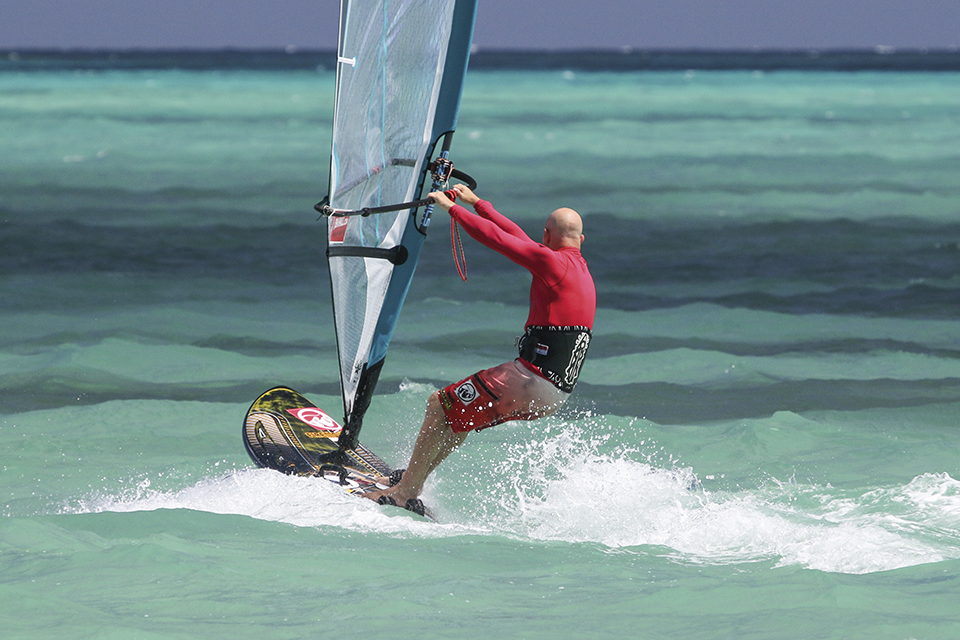
Windsurf Magazine OnlineJEM HALL MOVE ON UP – PLANING AND GETTING IN THE FOOTSTRAPS
Download a free first-session checklist at your local certified school. Book one lesson. The right rig and spot turn first attempts into steady rides. Keep sessions short and focused. You will plane sooner than expected.


[…] tournaments, standardized rules, and dedicated training methods. Organizations like the International Table Soccer Federation (ITSF) manage global competitions and player rankings across multiple […]