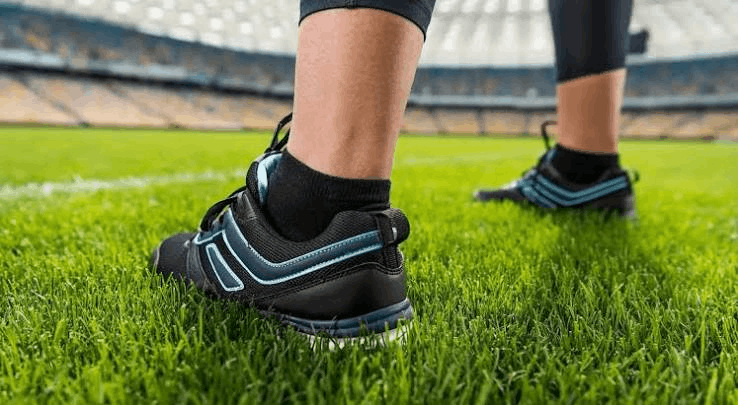

Sports footwear does far more than complete an athlete’s outfit. The right shoe can improve movement efficiency, enhance stability, reduce fatigue, and lower the risk of common sports injuries. Whether you are running, playing basketball, training in the gym, or competing on a football field, footwear directly affects how your body performs.
Research has consistently shown that sports-specific footwear helps athletes move more efficiently by providing the right combination of traction, cushioning, and support. Poor footwear, on the other hand, can contribute to ankle sprains, shin splints, plantar fasciitis, and other overuse injuries.
In modern sports, footwear is considered essential equipment rather than an accessory. Professional athletes, coaches, and sports medicine specialists evaluate shoe design carefully because even small differences in support and grip can influence performance outcomes.
Before looking at different types of sports shoes, it is important to understand exactly why footwear plays such a significant role in athletic performance.
Also See : NFC Business Cards Security & Privacy Guide
Why Footwear Matters in Sport
Impact on Athletic Performance
Every movement in sport begins with contact between the foot and the ground. The quality of that connection affects speed, balance, and power generation.
A well-designed sports shoe helps transfer force efficiently. Running shoes, for example, are engineered to improve forward motion while reducing energy loss during impact. Modern performance footwear often incorporates advanced foam materials that provide energy return, helping athletes maintain efficiency over longer distances.
Studies suggest that footwear technology can improve running economy by several percentage points. While the exact benefit varies between individuals, improved energy efficiency can be valuable during competition and training.
Just as important as energy return is traction. Athletes who play sports involving rapid direction changes depend on reliable grip to maintain control during acceleration and stopping movements.
Injury Prevention Benefits
Performance is only part of the equation. Injury prevention is equally important.
Sports footwear absorbs impact forces generated during running, jumping, and landing. Without adequate cushioning, these forces travel through the feet and legs, increasing stress on joints and soft tissues.
Supportive footwear also helps stabilize the foot during movement. This reduces excessive motion that may contribute to injuries such as ankle sprains and overuse conditions.
Because injury prevention and performance are closely connected, shoe design focuses on balancing both factors rather than maximizing one alone.
Key Functions of Sports Footwear
Traction and Grip
Traction allows athletes to generate force without slipping.
Different sports require different grip patterns. Football and soccer cleats use studs to penetrate natural surfaces, while basketball shoes rely on rubber outsoles designed for indoor courts.
Without adequate traction, athletes lose efficiency and increase their risk of falls and sudden injuries.
People Also Read : King Abdullah Sports City: Jeddah’s Iconic Stadium & Facilities
Cushioning and Shock Absorption
Every foot strike creates impact forces.
Cushioning systems are designed to absorb a portion of these forces before they travel through the body. Running shoes generally offer more cushioning than court shoes because runners experience repetitive impact over long distances.
The amount of cushioning required depends on the sport, playing surface, and athlete preferences.
Stability and Support
Athletes often move in multiple directions.
Sports such as basketball, tennis, and volleyball require footwear that controls side-to-side movement. Stability features help maintain proper foot alignment during quick directional changes.
This support becomes especially important during high-speed movements where balance and control are critical.
Comfort and Fit
Even the most advanced shoe cannot perform properly if it does not fit correctly.
Poorly fitting footwear can lead to blisters, pressure points, and discomfort. Over time, these issues may alter movement patterns and increase injury risk.
A proper fit should feel secure without restricting natural foot movement.
People Also Read : Sports Physicals Near Me: Complete Guide, Affordable & School-Approved Exams
How Sports Footwear Differs by Sport
Running Shoes
Running shoes focus on forward movement.
They typically feature lightweight construction, shock absorption, and energy-return midsoles. Their design prioritizes efficiency over lateral stability because runners move primarily in one direction.
Basketball Shoes
Basketball involves jumping, landing, sprinting, and rapid changes of direction.
As a result, basketball shoes emphasize traction, cushioning, and ankle support. The outsole pattern is specifically designed to grip indoor court surfaces.
Football and Soccer Cleats
Football and soccer footwear uses stud configurations tailored to field conditions.
The goal is to maximize traction while allowing athletes to accelerate, stop, and change direction quickly.
Different stud patterns are available for firm ground, soft ground, and artificial surfaces.
Tennis and Court Shoes
Tennis players perform frequent lateral movements.
Court shoes are designed with reinforced sidewalls and durable outsoles that withstand repeated side-to-side stress. These features help maintain stability during aggressive movements.
Training and Cross-Training Shoes
Cross-training footwear supports a wide range of activities.
These shoes provide balanced cushioning and stability, making them suitable for gym workouts, fitness classes, and general athletic training.
Essential Features to Look for in Sports Footwear
Choosing sports footwear should involve more than selecting a popular brand.
Key features include:
- Appropriate cushioning for the sport
- Reliable traction for the playing surface
- Stable construction for movement demands
- Breathable upper materials
- Secure heel and midfoot fit
- Durable outsole design
Modern midsoles often use advanced foam technologies that improve comfort while maintaining responsiveness.
At the same time, breathable uppers help regulate temperature during prolonged activity.
Choosing the Right Footwear for Your Foot Type
Not all feet function the same way.
Flat Feet
Athletes with flat feet often benefit from additional stability features. These shoes help control excessive inward rolling of the foot.
High Arches
High-arched athletes generally require greater cushioning because their feet absorb impact differently.
Neutral Foot Type
Individuals with neutral foot mechanics typically have the widest range of footwear options available.
Understanding Gait and Pronation
Gait analysis can provide useful information when selecting footwear.
Understanding how your feet move during walking or running helps identify shoes that support natural movement patterns while reducing unnecessary stress.
Common Sports Injuries Linked to Poor Footwear
Wearing unsuitable shoes can increase the likelihood of several common sports injuries:
- Plantar fasciitis
- Shin splints
- Stress fractures
- Achilles tendon irritation
- Ankle sprains
- Knee pain
- Blisters and pressure sores
Many of these conditions develop gradually due to repetitive stress rather than a single incident.
This is why selecting appropriate footwear remains one of the most practical injury-prevention strategies available to athletes.
When to Replace Sports Shoes
Even high-quality sports shoes eventually wear out.
Common warning signs include:
- Flattened cushioning
- Uneven outsole wear
- Reduced traction
- Visible midsole compression
- Increased discomfort during activity
Many running experts recommend replacing running shoes after approximately 300–500 miles (480–800 kilometers), although lifespan varies based on usage and body weight.
Ignoring shoe wear can reduce performance and increase injury risk over time.
Modern Innovations in Sports Footwear
Sports footwear technology continues to evolve.
Carbon Plate Technology
Carbon-plated running shoes have gained attention for improving running efficiency through enhanced energy return and propulsion.
Smart Footwear
Some footwear systems now include sensors capable of tracking distance, cadence, and movement patterns.
Sustainable Manufacturing
Many manufacturers are incorporating recycled materials and environmentally responsible production methods.
Gender-Specific Design
Research has shown anatomical differences between male and female feet. As a result, many brands now develop footwear specifically tailored to these differences.
Common Mistakes Athletes Make When Buying Sports Shoes
Several purchasing mistakes continue to affect athletes:
- Choosing appearance over function
- Wearing one shoe for multiple sports
- Ignoring foot type
- Buying incorrect sizes
- Delaying shoe replacement
- Using worn-out footwear during competition
Avoiding these mistakes can improve both comfort and performance.
Frequently Asked Questions About Footwear in Sport
Why is footwear important in sports?
Footwear improves traction, stability, comfort, and shock absorption while helping reduce injury risk.
Can the wrong shoes affect athletic performance?
Yes. Poor footwear can reduce efficiency, compromise stability, and increase fatigue during activity.
How often should sports shoes be replaced?
Replacement depends on usage, but most athletic shoes should be evaluated regularly for wear and loss of cushioning.
Are expensive sports shoes always better?
Not necessarily. The best shoe is one that matches the athlete’s sport, foot type, and performance requirements.
What type of footwear helps prevent injuries?
Sport-specific footwear with proper fit, cushioning, and support generally offers the best protection against common sports injuries.
Conclusion
Footwear plays a critical role in sport by influencing performance, comfort, and injury prevention. The right shoe provides traction, cushioning, stability, and support tailored to the demands of a specific activity.
Athletes should choose footwear based on their sport, playing surface, foot structure, and movement patterns rather than appearance alone. Regular replacement is equally important because worn-out shoes lose many of the protective features that contribute to safe and efficient movement.
For readers interested in learning more about the science of athletic footwear and biomechanics, the Wikipedia article on sportswear provides additional background information.