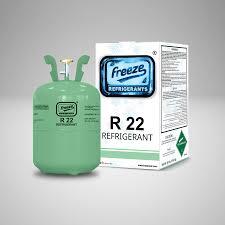

R22 refrigerant (also called HCFC-22 or Freon) is no longer produced or imported in most countries, including the United States, since 2020. Only recycled or reclaimed supplies are available today, which makes it expensive and limited. Systems using R22 are typically older air conditioners installed before 2010, and maintaining them is becoming increasingly costly.
Right now, the biggest concerns for users are cost, availability, and whether to repair or replace their system. R22 prices can range between $80 to $150 per pound, depending on supply. A typical home AC may need 5–15 pounds, which means a refill alone can cost hundreds to thousands of dollars. This is why many homeowners are forced to decide between short-term fixes and long-term upgrades.
If your system still runs on R22, it is not illegal to use it. However, handling it requires certified technicians, and future servicing will only get more expensive. This puts users in a practical situation: keep the system running temporarily or transition to modern refrigerants.
What is R22 Refrigerant?
R22 is a hydrochlorofluorocarbon (HCFC) used in air conditioning and refrigeration systems for decades. It absorbs and releases heat to cool indoor spaces efficiently.
You can read more technical background on Chlorodifluoromethane.
Most systems using R22 were designed with specific pressure and lubrication characteristics. This is why switching refrigerants is not always straightforward. That leads directly to the next issue—why R22 had to be phased out.
Why R22 Was Banned
The phase-out of R22 is tied to the global environmental agreement known as the Montreal Protocol. This treaty targeted substances that damage the ozone layer.
R22 contains chlorine. When released into the atmosphere, it breaks down ozone molecules. This increases harmful UV radiation reaching Earth. Its ozone depletion potential (ODP) is significantly higher than modern alternatives.
In addition, R22 has a global warming potential (GWP) of around 1,810, making it a contributor to climate change. Because of these impacts, production and import were banned in 2020 in many regions.
Current Legal Status of R22 in 2026
R22 is not illegal to use, but it is tightly regulated. Only reclaimed or recycled refrigerant can be sold. New production is no longer allowed.
Technicians must hold proper certification to handle it. Venting R22 into the air is illegal in most countries.
This creates a supply constraint. As demand continues from older systems, availability decreases. That is exactly why prices have increased steadily over the last few years.
R22 Refrigerant Price in 2026
The cost of R22 is one of the biggest concerns today.
- Average price: $80–$150 per pound
- Large systems may require: 10+ pounds
- Service + labor increases total cost significantly
For example, a leak repair plus recharge can easily exceed $1,000–$2,500 depending on the system size.
This leads to a key decision point. Is it worth spending that money on an aging system?
How to Tell If Your AC Uses R22
You can identify R22 systems quickly with these checks:
- Look at the outdoor unit label (mentions “R22” or “HCFC-22”)
- Check installation date (before 2010 is a strong indicator)
- Ask an HVAC technician during servicing
If your system uses R22, the next question becomes practical rather than technical—what happens if something goes wrong?
What Happens If Your System Still Uses R22
There are three realistic scenarios:
1. Minor Leak
You can refill the system. But costs are high and recurring.
2. Major Leak or Component Failure
Repair costs may exceed the value of the system. Replacement becomes more logical.
3. No Immediate Issues
You can continue using the system. However, future risks remain due to refrigerant scarcity.
This naturally leads to alternatives, which are not always as simple as advertised.
Best R22 Refrigerant Alternatives
Direct Replacement vs Upgrade
R22 systems cannot directly use newer refrigerants like R-410A because they operate at higher pressure. Using them without system changes can cause damage.
Retrofit (Drop-in) Options
Some alternatives are designed for partial compatibility:
- R438A
- R422D
- R421A
These can work with modifications, but performance may drop slightly. Oil compatibility and system adjustments are often required.
New System Refrigerants
Modern systems use:
- R410A (current standard)
- R454B (lower environmental impact)
These offer better efficiency and compliance with current regulations.
Should You Replace or Retrofit Your System?
Here is a clear decision framework:
- System older than 12–15 years → Replace
- Frequent repairs or leaks → Replace
- Minor issue + limited budget → Temporary refill
A new system may cost more upfront but reduces operating costs and eliminates refrigerant risk.
This is where most homeowners make their final decision.
Environmental Impact of R22
R22 has measurable environmental impact:
- Ozone depletion potential (ODP): contributes to ozone thinning
- Global warming potential (GWP): ~1,810
Modern refrigerants significantly reduce these values. That is why the industry is transitioning toward lower-impact options.
For more details, see Ozone depletion.
Safe Handling and Disposal
R22 must be handled by certified professionals.
Improper handling can:
- Harm the environment
- Lead to legal penalties
- Damage the system
Recovery machines are used to capture and recycle refrigerant safely. Disposal follows regulated processes.
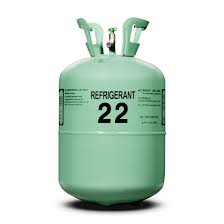
📷 R22 Refrigerant Cylinder
📷 HVAC System Using R22
FAQs
Is R22 still available in 2026?
Yes, but only reclaimed or recycled stock.
Can you replace R22 with R410A?
No. It requires a completely different system.
How long will R22 be available?
As long as reclaimed supplies exist, but availability will continue to decline.
Is repairing an R22 system worth it?
Only for short-term use or minor issues.
What happens if R22 leaks?
Cooling efficiency drops, and environmental harm increases. Immediate repair is required.
Conclusion
R22 refrigerant is no longer a long-term solution. Rising costs, limited supply, and environmental regulations make it impractical for continued reliance.
If your system still uses R22, the decision comes down to three options: continue using it temporarily, retrofit with alternatives, or replace the system entirely.
For most users in 2026, replacement offers the most stable and cost-effective path forward.